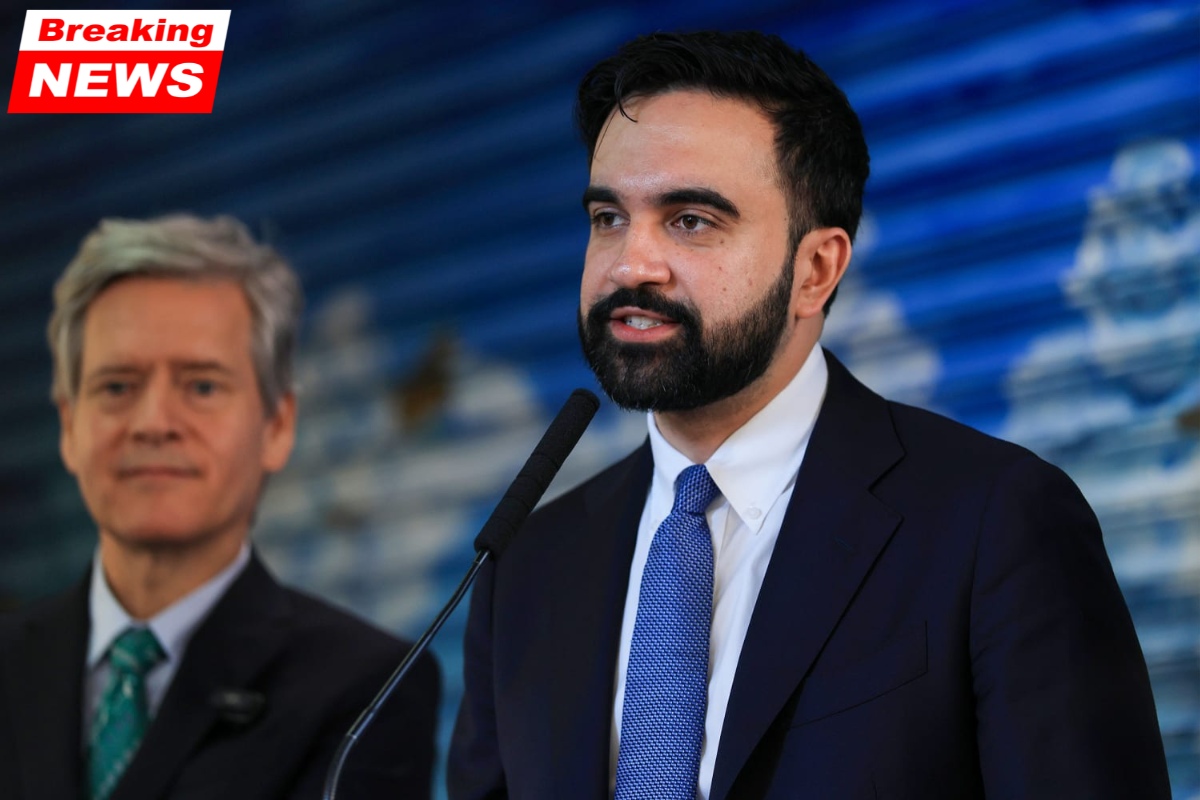
New York City’s rising cost of living has once again become a major talking point, especially as global events begin to affect local economies. Recently, New York Mayor Zohran Mamdani linked the ongoing US-Iran conflict to increasing expenses in the city, saying the war is making an already difficult situation worse for residents.
Mayor Links War to Rising Costs
Speaking in an interview, Zohran Mamdani said the war with Iran has added extra pressure to the cost-of-living crisis in New York City. He pointed out that the city was already the most expensive in the United States even before the conflict began.
According to him, the war has pushed prices even higher, especially due to its impact on global oil markets. When Iran closed the Strait of Hormuz, oil prices increased worldwide, which directly affected fuel prices in the US. This rise in fuel costs has a chain reaction, making transportation, food, and daily expenses more expensive for ordinary people.
Economic Criticism of the War
Mamdani argued that the war should not only be debated on political or moral grounds but also on economic ones. He said the US government has already spent around $28 billion on the conflict, and this money could have been used to support working-class families.
To emphasise his point, he referred to a famous line by Tupac Shakur, saying that governments often find money for war but struggle to fund basic needs like food and welfare. His message focused on the idea that public funds should prioritise citizens’ everyday needs.
Public Opinion on the Conflict
Recent surveys show that many Americans are unhappy with how the war is going. A large percentage of people believe the situation is not improving and are questioning the government’s strategy.
This growing dissatisfaction reflects concerns not just about foreign policy but also about how the war is affecting life at home, especially through rising costs and economic uncertainty.
Federal Priorities and Political Debate
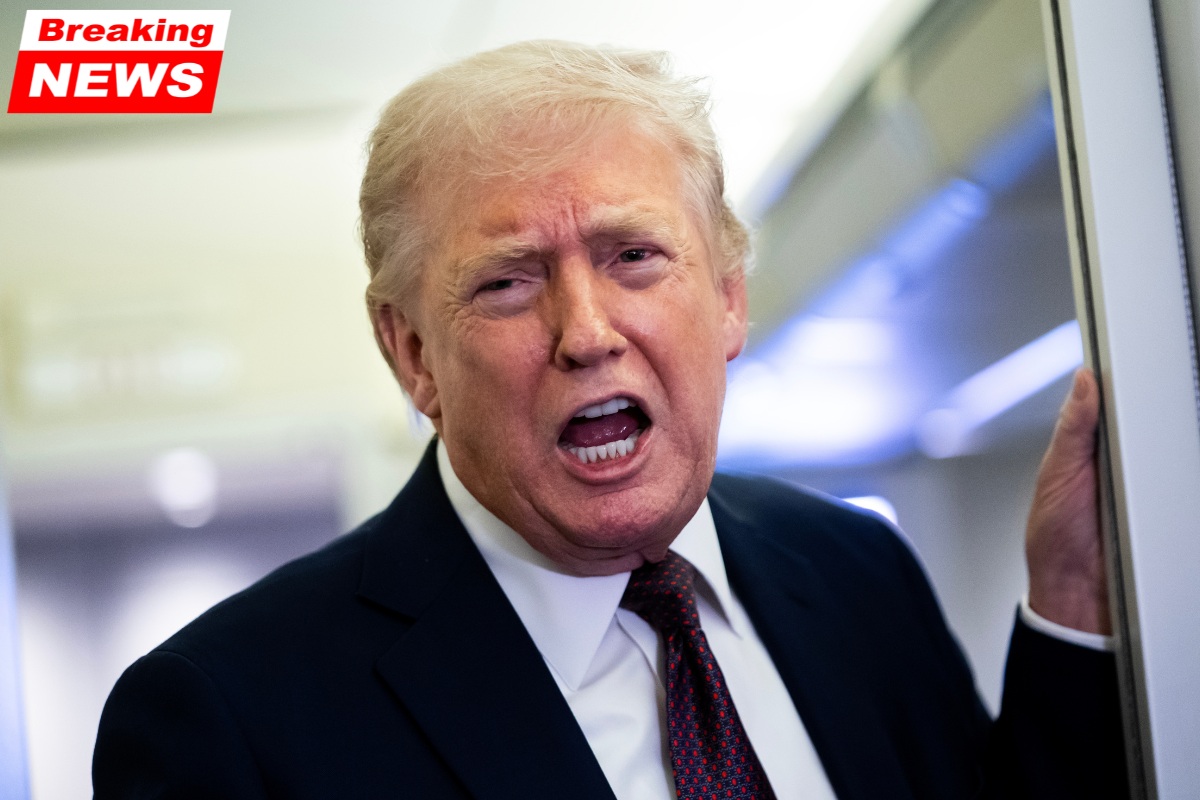
At the national level, Donald Trump has defended military spending, stating that national security must come first. He suggested that the federal government cannot handle every social issue and that some responsibilities, like childcare support, should be managed by states.
This difference in priorities highlights a larger political debate—whether government spending should focus more on defence or on social welfare programmes.
Mamdani’s Local Policy Plans
Since taking office, Zohran Mamdani has focused on making New York City more affordable. One of his key promises is to provide free childcare for families, which he believes can reduce financial pressure on working parents.
In March, he worked with Kathy Hochul to launch a pilot programme offering free childcare for young children in the city. The plan aims to expand in the future if successful.
Funding Through New Tax Proposals
To support these initiatives, Mamdani has proposed new ways to raise funds. One such idea is a “pied-a-terre” tax, which would apply to expensive properties worth over $5 million that are not used as primary residences.
According to him, this tax could generate at least $500 million for the city. The money would be used for public services like childcare, cleaner streets, and safer neighbourhoods.
The debate around the Iran war and its impact on everyday life shows how global events can directly affect local economies. Zohran Mamdani has used this moment to highlight the need for better financial priorities, focusing on affordability and support for working families.
At the same time, the discussion reflects a larger national divide over how government funds should be used. As costs continue to rise, these policy decisions will play a crucial role in shaping the future of cities like New York and the lives of their residents.