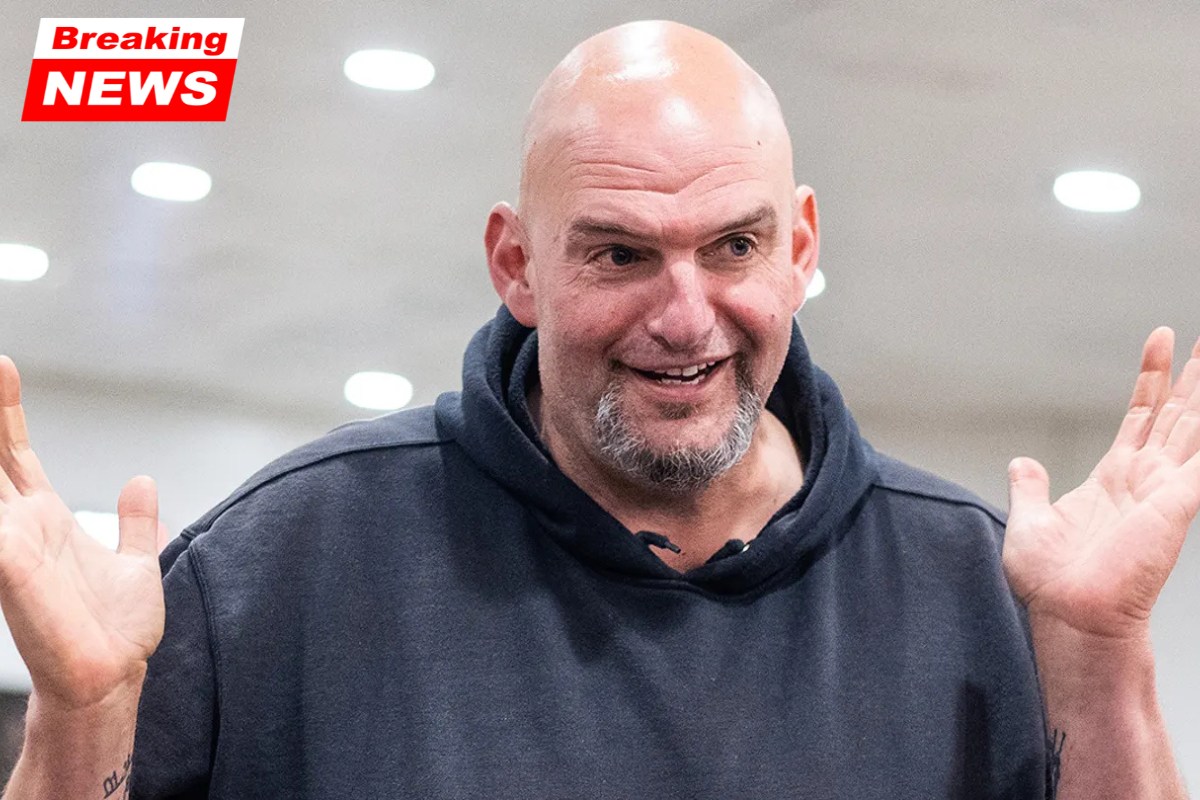
Senator John Fetterman (D-Pa.) sparked controversy this week when he appeared on the “All-In” podcast and criticized his own party for its current direction, calling out the Democratic Party’s inflexibility and what he described as “Trump Derangement Syndrome” (TDS) as the dominant force shaping the party’s decisions.
Fetterman’s Criticism of the Democratic Party’s Leadership
During the podcast, Fetterman was asked who he thought was leading the Democratic Party, to which he responded, “Oh, we don’t have one.” He went on to suggest that Trump Derangement Syndrome had become the de facto leadership of the party.
“Right now, our party is governed by the TDS,” he said, pointing to the way opposition to Donald Trump had consumed the party’s politics. According to Fetterman, this phenomenon has created an environment where Democrats are punished for agreeing with or acknowledging anything positive coming from the other side.
Fetterman expressed frustration with what he sees as the party’s inability to celebrate achievements when they come from Trump’s administration, even when those actions align with the party’s goals.
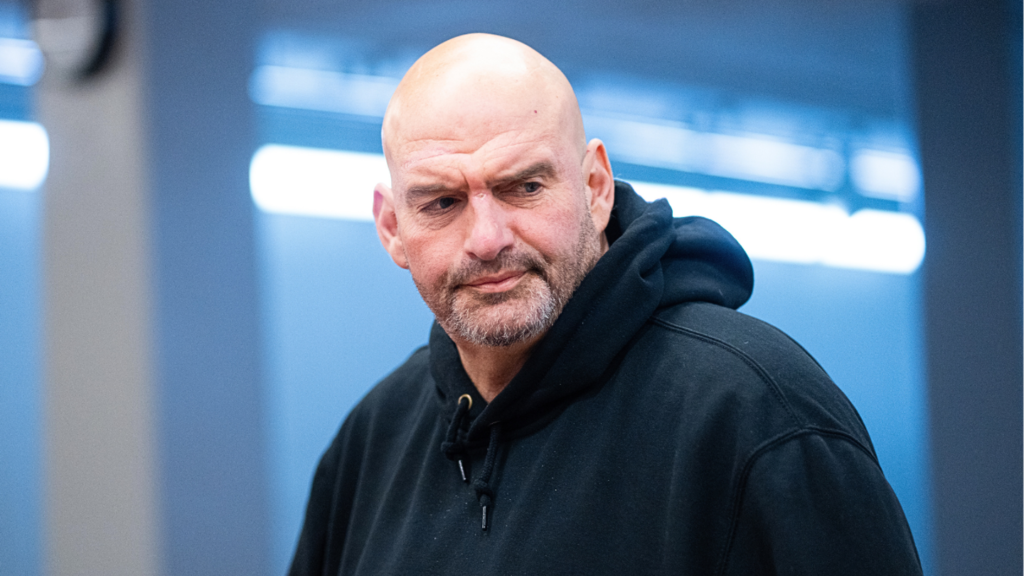
He specifically referenced Trump’s military strikes against Iran, which some Democrats refused to acknowledge positively despite the fact that they were in line with a longstanding Democratic position on preventing Iran from acquiring nuclear weapons.
Fetterman on Trump’s Military Strikes and Lack of Democratic Support
Fetterman argued that the Democratic Party’s refusal to acknowledge or celebrate the success of Trump’s Iran strikes was a sign that the party was more focused on opposing Trump than considering what was best for the country.
“What’s strange to me,” he said, “is that every single Democrat that’s run for president and anyone that I know in Congress says we must never allow them to acquire a nuclear bomb. When that happens, why not celebrate that or acknowledge that?”
He went on to praise the Iran military strikes as a “historic” moment for America, noting that it was an opportunity for the country to recognize an accomplishment, regardless of which party it came from. “You don’t have to agree on every single thing, but when a good thing happens just because it comes from the different party, that tells me that you’re choosing the demand of the base or the party over country.”
Fetterman Criticizes Democratic Inflexibility
Fetterman’s criticism wasn’t limited to foreign policy. He also expressed disappointment with what he sees as a lack of compromise within his own party. “Part of my party’s become so inflexible,” he said. He went on to explain that members of his party were more willing to condemn certain actions, like the support for Israel, while downplaying or normalizing extremist behavior on the other side of the spectrum.
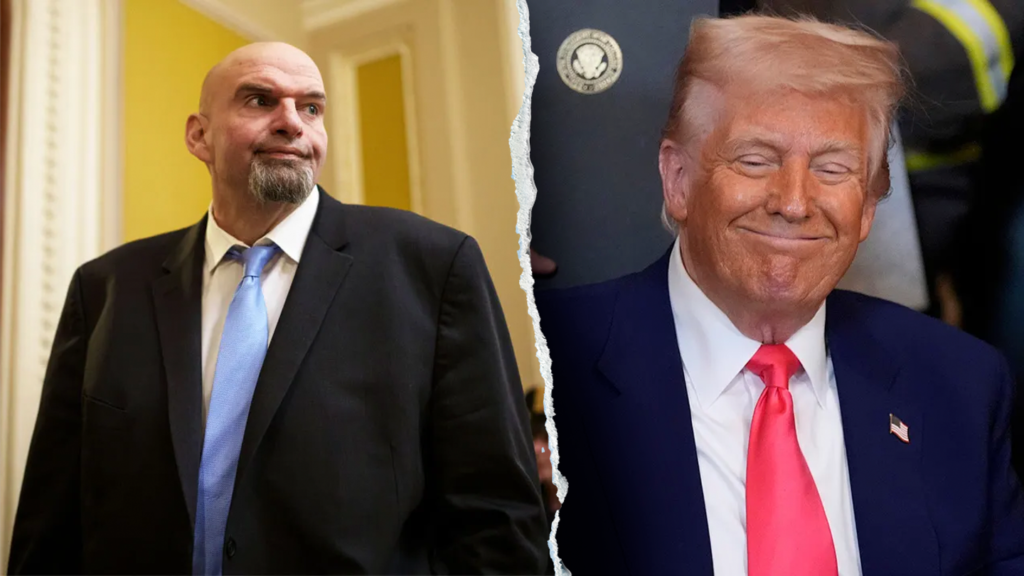
“…you are not allowed to be a proud unapologetic standing with Israel, but it’s okay, it’s not a big deal if you have a Nazi tattoo on your chest,” he said, adding that there were elements within the Democratic Party trying to normalize or excuse such behavior. Fetterman’s remarks suggest deep concern over what he perceives as a double standard in the party, where certain actions are condemned while others are overlooked.
Fetterman’s Call for a New Direction
Senator Fetterman’s comments are part of a growing trend of discontent within the Democratic Party, where some members feel the party has become too polarized and unwilling to engage in constructive dialogue.
Fetterman’s calls for greater flexibility, more recognition of cross-party achievements, and a shift away from what he describes as the overwhelming influence of Trump Derangement Syndrome reflect a desire for the party to return to more pragmatic politics, especially as the nation looks toward future elections.
Whether his calls for change will gain traction remains uncertain, but Fetterman’s critique of both his party and its leadership suggests a potential fracture that could have significant implications for the Democratic Party’s future.