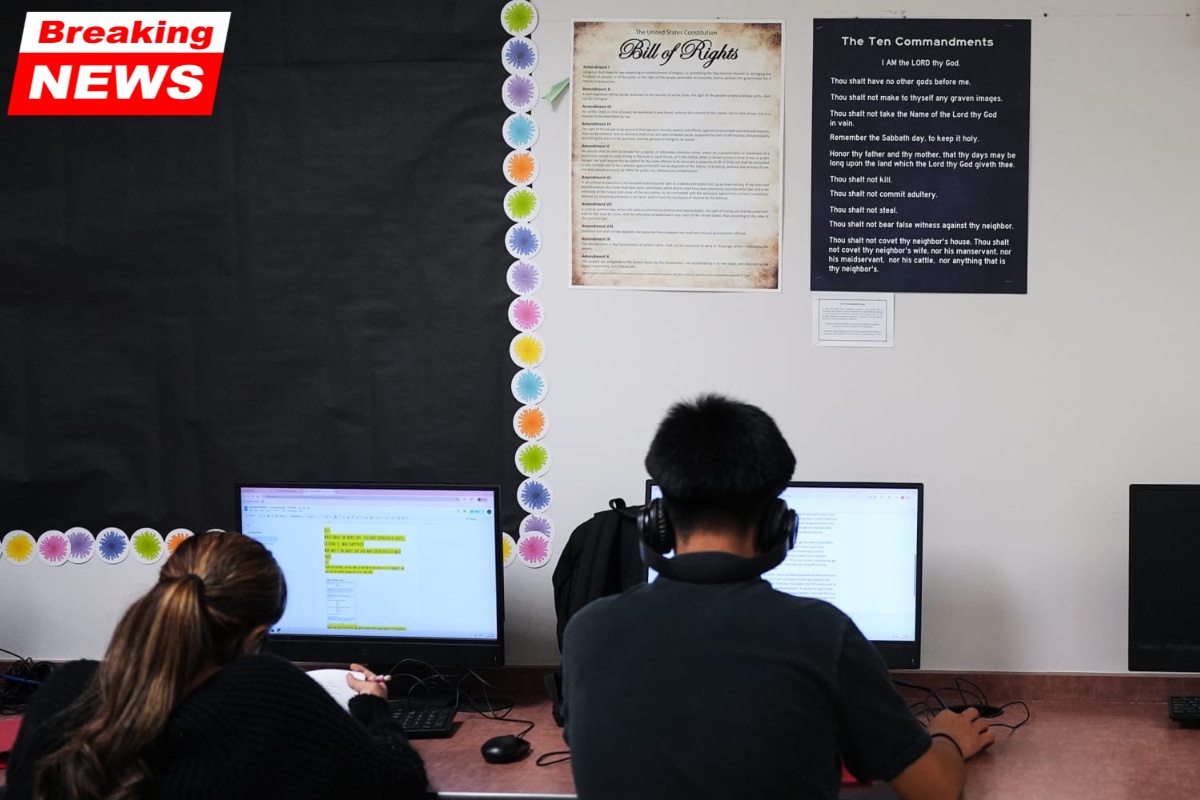
A federal appeals court has ruled that Texas can require the Ten Commandments to be displayed in public school classrooms, handing a major legal and political victory to conservatives who have pushed to bring more religion into public education.
In a closely divided 9-8 ruling, the 5th U.S. Circuit Court of Appeals said Tuesday that the Texas law does not violate the constitutional rights of students or parents. The decision is significant not only for Texas, but also for other states such as Louisiana, Arkansas, and Alabama, where similar laws have either been enacted or are being defended in court.
The ruling immediately intensified the national debate over religion in public schools. Supporters argue the Ten Commandments are part of the moral and historical foundation of the United States. Opponents say the law crosses a constitutional line by promoting religion in government-run classrooms.
What the 5th Circuit Decided
The conservative-leaning appeals court in New Orleans rejected arguments that the Texas requirement amounts to religious coercion or government-led indoctrination. In its majority opinion, the court said the law does not violate the rights of parents or students because simply displaying the Ten Commandments does not force anyone to adopt or practice a religious belief.
The ruling stated that no child is required to recite the Commandments, believe them, or affirm their divine origin. That point became central to the court’s reasoning. The majority essentially concluded that passive exposure to the text in a classroom is not the same as compelled religious exercise.
This decision reversed an earlier ruling from a lower federal court, which had blocked around a dozen Texas school districts, including some of the state’s largest, from putting up the posters.
Why the Decision Matters Beyond Texas
The Texas ruling is likely to have effects far beyond the state. It gives legal momentum to similar efforts elsewhere, especially in Louisiana and Arkansas, where lawmakers and conservative legal advocates have backed comparable display requirements.
The court had already heard arguments in January in both the Texas case and a similar Louisiana case. Then, in February, the same appeals court allowed Louisiana to move forward with enforcement of its own Ten Commandments classroom display law.
After Tuesday’s ruling, Louisiana Attorney General Liz Murrill said the Texas decision adopted the same legal reasoning used to defend Louisiana’s law. She argued that the ruling confirmed the constitutionality of these measures. In Alabama, Republican Gov. Kay Ivey also signed a similar law earlier in the month, adding to the sense that this issue is becoming a broader regional and national legal battle.
Opponents Say the Law Violates the First Amendment
Civil liberties groups strongly disagreed with the ruling and signaled that the fight is far from over. The American Civil Liberties Union and other organizations that challenged the law on behalf of parents said they expect to appeal to the U.S. Supreme Court.
Their argument is rooted in the First Amendment, particularly the idea that the government should not impose religion or favor one set of religious beliefs in public institutions like schools. They say displaying the Ten Commandments in classrooms sends a clear government message endorsing religion and places pressure on students, especially younger children, in an environment where attendance is mandatory and authority figures shape daily life.
The groups said the Constitution protects both the separation of church and state and the freedom of families to decide for themselves how, when, and whether to provide religious instruction to their children. In their view, the ruling undermines those protections.
Texas Has Been Expanding Religious Content in Schools
The Ten Commandments law is only one part of a larger battle over religion in Texas classrooms. In 2024, the state approved an optional Bible-infused curriculum for elementary schools. In addition, a proposal scheduled for a June vote would add Bible stories to required reading lists in Texas classrooms.
That broader context matters. Critics say the display requirement is not an isolated action, but part of an organized effort to incorporate more explicitly Christian material into public education. Supporters, on the other hand, say the state is restoring moral instruction and acknowledging the historical role of biblical teachings in American culture and law.
Because of those larger fights, the Texas classroom debate has become a flashpoint in school board meetings, legal challenges, and statewide politics.
How the Law Works in Practice
The Texas law was signed by Republican Gov. Greg Abbott and took effect in September. It marked the largest effort in the country to require the Ten Commandments in public school classrooms.
The law says schools must place donated Ten Commandments posters in a “conspicuous place” in each classroom. It also sets exact formatting standards. The posters must be 16 inches wide and 20 inches tall and printed in a size and typeface that is visible from anywhere in the classroom to a person with “average vision.”
One notable feature of the law is that schools are only required to display the posters if they are donated. Even so, implementation has still created logistical and financial issues. According to the report, one suburban Dallas school district spent nearly $1,800 to print about 5,000 posters, despite the general idea that outside donations would cover the requirement.
The law quickly produced mixed reactions across Texas. Some schools and communities welcomed it. Others hesitated, uncertain about legal risk, practical compliance, and how to respond when students ask questions about religion in the classroom. The policy also led to donated posters being delivered to campuses around the state.
Political Leaders Celebrated the Ruling
Texas Attorney General Ken Paxton, a Republican, praised the decision as a major win. He called it “a major victory for Texas and our moral values.” He also said the Ten Commandments have had a profound impact on the nation and that students should learn from them every day.
The political support behind the law has been strong from the start. It passed easily through the GOP-controlled Texas Legislature, reflecting how firmly Republican lawmakers in the state have embraced faith-centered education measures.
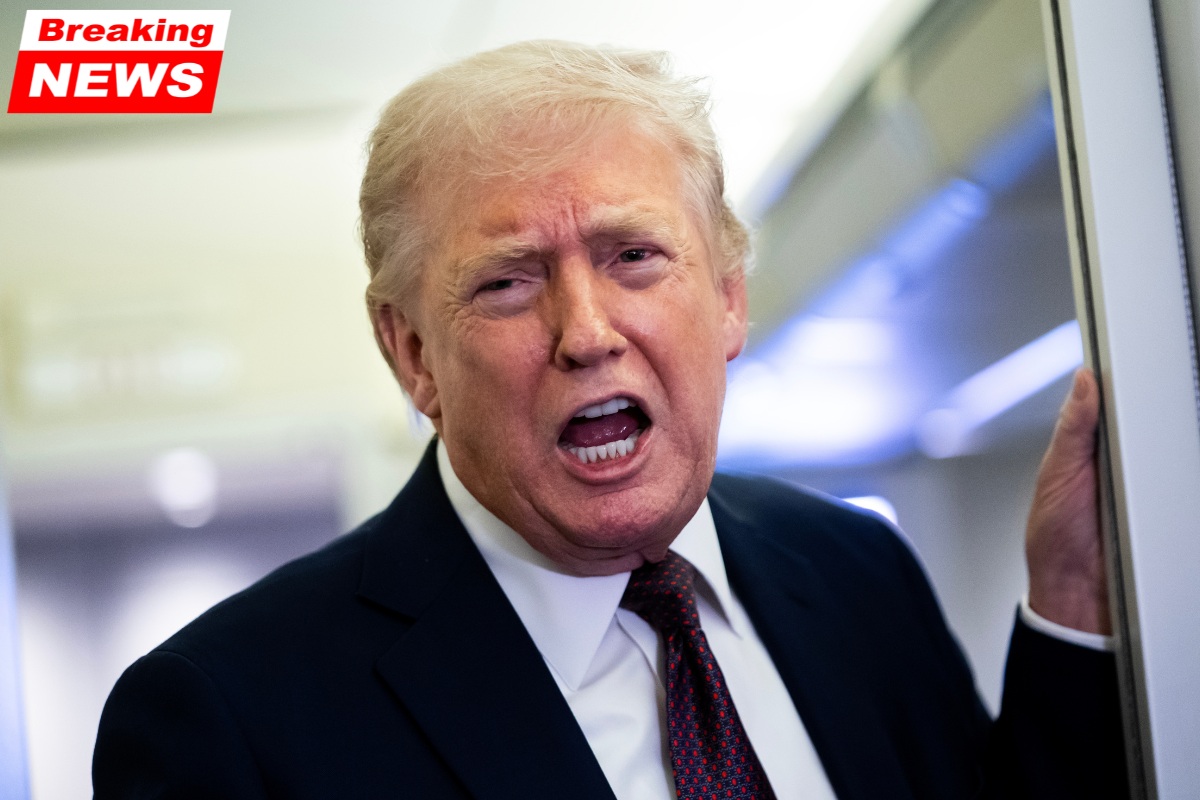
The article also notes that President Donald Trump has backed the idea of posting the Ten Commandments in classrooms, showing that the issue has support not only at the state level but within national Republican politics as well.
The Dissent Warned About Government-Imposed Religion
Not all judges on the 5th Circuit agreed. In a dissent joined by four other judges, Judge Stephen A. Higginson argued that the Constitution’s framers sought to prevent government from using political power to impose religion.
He wrote that Texas, like Louisiana, is doing exactly that by requiring a specific, politically chosen scripture to be installed in every public-school classroom. His objection cuts to the core constitutional question: whether posting a religious text in a government classroom is a harmless acknowledgment of tradition or an unconstitutional religious endorsement.
That divide between the majority and dissent shows how unsettled this issue remains, even among federal judges.
Key Facts at a Glance
| Topic | Details |
|---|---|
| Court | 5th U.S. Circuit Court of Appeals |
| Vote | 9-8 |
| Main Ruling | Texas can require Ten Commandments displays in public school classrooms |
| Lower Court Status | Earlier federal ruling blocked some districts; this ruling reverses that |
| States Affected Politically | Texas, Louisiana, Arkansas, Alabama |
| Groups Opposing Law | ACLU and other civil liberties organizations |
| Likely Next Step | Appeal to the U.S. Supreme Court |
| Law Took Effect | September |
| Poster Requirement | Must be donated, displayed conspicuously, readable from anywhere in class |
| Poster Size | 16 by 20 inches |
| Other Texas Religion-in-School Moves | Optional Bible-infused curriculum, proposed Bible stories in required reading |
Why This Case Could Reach the Supreme Court
Because the ruling directly involves the First Amendment and public school religion questions, it has the kind of constitutional significance that could draw Supreme Court review. The challengers have already said they expect to appeal.
If the Supreme Court takes the case, the outcome could shape how far states can go in placing religious texts, symbols, or teachings inside public school classrooms. A decision at that level would not just settle the Texas dispute. It could set a national standard.
For now, though, the 5th Circuit ruling gives Texas and like-minded states a major legal win and likely encourages more legislation in the same direction.