When retired military officers speak openly about problems inside the armed forces, people usually take it seriously. That is exactly what is happening now after a former Army major general warned that some service members may already be quietly pushing back against political orders. His comments have sparked debate because they suggest a growing tension between political leaders and the military — something that is not very common in a country like the United States.
What the retired general is claiming
The retired officer said that soldiers and officers are not blindly following every instruction coming from the top leadership. Instead, he believes that some are using indirect ways to resist orders they feel are politically motivated or ethically questionable.
According to him, this resistance is not open rebellion. It is more subtle. For example:
- Delaying the execution of certain orders
- Asking for detailed legal reviews
- Using official complaint systems
- Interpreting instructions very narrowly
These actions allow military personnel to stay within the rules while still expressing concern. However, it is important to note that these claims are not fully confirmed by independent sources.
Rising tension between Trump and military leadership
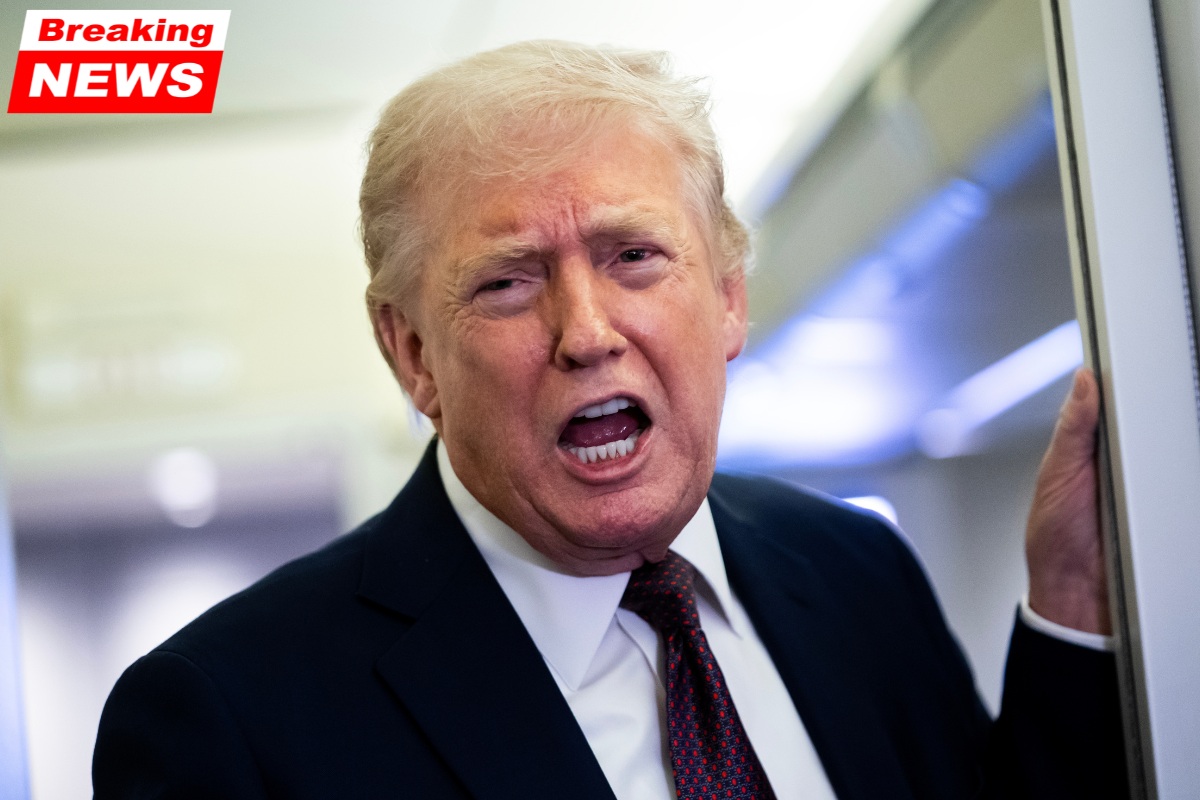
This situation is happening during a period of increasing conflict between political leaders and top military officials. Donald Trump has openly criticised some senior officers, even accusing them of disloyalty.
In some of his statements, Trump compared certain generals to enforcers of Joseph Stalin, which is a very strong and controversial comparison. He has also supported figures like Pete Hegseth, suggesting that leadership in the military should align more closely with his views.
These remarks have raised concerns that loyalty to a political leader may be getting more importance than professional military standards.
Personnel changes creating fear inside the Pentagon
Inside the U.S. Department of Defense, also known as the Pentagon, recent personnel decisions have added to the tension. In one case, a senior Army officer (a three-star general) was removed from an important role after disagreements with political officials.
Many officers reportedly saw this as a warning. It suggested that speaking up or questioning decisions could harm their careers.
At the same time, some officials have refused to step down even when facing pressure. One such example involved a senior civilian leader who chose not to resign and instead forced leadership to formally remove him. This kind of response shows that not everyone is willing to quietly accept political pressure.
Debate over social policies in the military
Another major issue adding to the conflict is the debate over social policies, especially regarding transgender service members. Trump has supported restrictions on transgender individuals serving in the military.
This has restarted a long-running argument:
- Should the military focus only on defence and war readiness?
- Or should it also reflect social changes and equality policies?
For many service members, especially those directly affected, these policy changes create uncertainty about their future. It can also impact teamwork and trust within units.
Why this situation is important
This issue is not just about internal disagreements. It touches on two very important principles:
- Civilian control of the military
- Professional ethics within the armed forces
In the U.S., elected leaders have the authority to control the military. But soldiers and officers also take an oath to follow the Constitution, not any individual leader.
So when orders seem to clash with legal or ethical standards, military personnel face a difficult choice. They must balance obedience with responsibility.
Possible risks if the situation worsens
If this tension continues, it could lead to serious problems:
- The military could become more political instead of neutral
- Officers may fear speaking honestly, leading to poor decisions
- Public trust in both the government and the military could weaken
There is also a risk on the other side. If resistance inside the military becomes too open, it could challenge civilian authority, which is a key part of democracy.
Impact on everyday service members
Often, the biggest impact is felt by regular soldiers. Policy changes, leadership conflicts, and uncertainty can affect their careers and personal lives.
For example, transgender service members who were earlier allowed to serve openly may now face the possibility of losing their positions. Such sudden changes can create stress and confusion.
This shows how political decisions at the top can directly affect individuals on the ground.
What could happen next
The situation is still developing, and several things will be important to watch:
- More removals or replacements of senior officers
- New policy changes, especially on social issues
- Legal challenges in courts
- How military culture changes over time
If more officers are removed for disagreements, it could signal stronger political control. On the other hand, if more officials resist openly, the conflict may become more visible to the public.
This entire situation highlights a sensitive balance between political power and military professionalism. The warning from the retired major general suggests that this balance may be under pressure. While there is no clear evidence of widespread resistance yet, the signs of tension are becoming harder to ignore.
The future will depend on how both political leaders and military officials handle this moment. If managed carefully, the system can remain stable. But if the conflict grows, it could reshape how the military and government work together in the years ahead, affecting not just policy but also trust, discipline, and national unity.