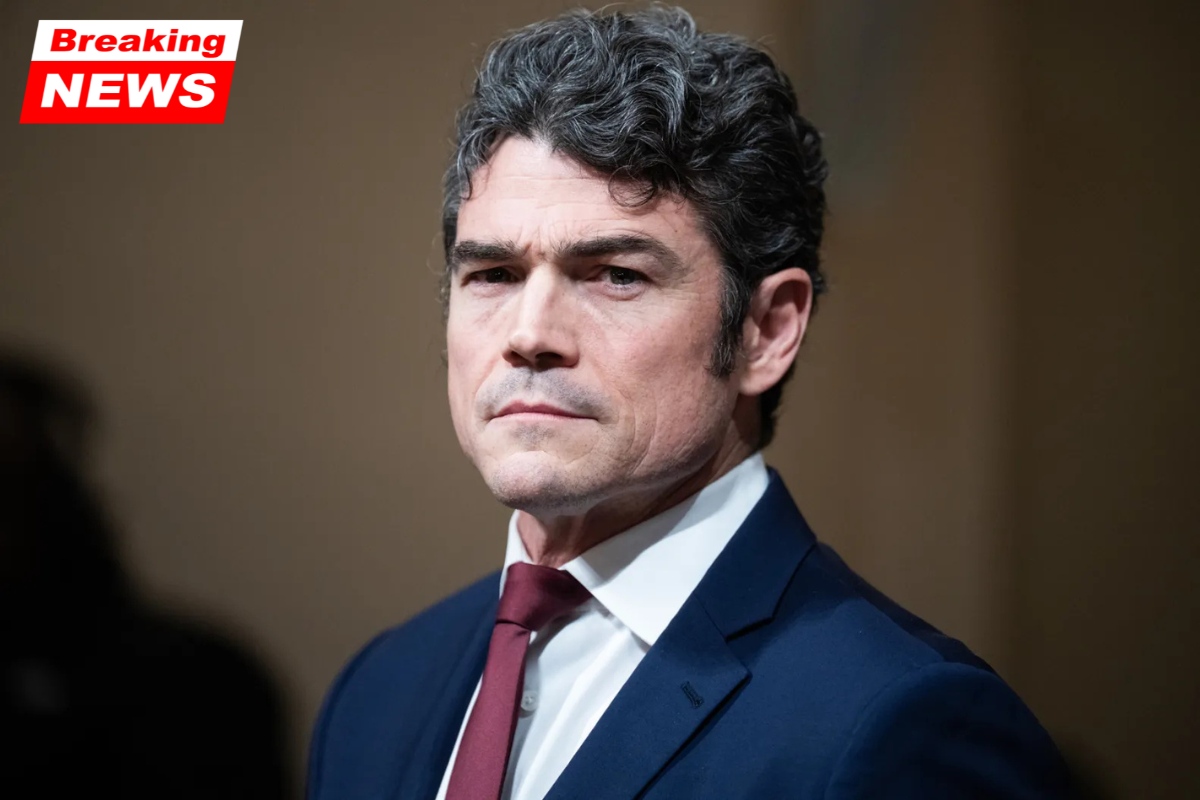
Joe Kent, the director in charge of counterterrorism, shocked Washington by quitting his job on Tuesday. He said he could not stay because the United States had started a war with Iran even though, he wrote, Iran “posed no imminent threat.” His resignation is the highest-profile break so far inside President Trump’s administration over the Iran conflict and has sparked sharp debate about the reasons for the war.
Joe Kent resigns in protest
Joe Kent posted a public resignation letter on X saying he “cannot in good conscience support the ongoing war in Iran,” and that the attack began after pressure from Israel and its American supporters. He said he could not support “sending the next generation off to fight and die in a war that serves no benefit to the American people nor justifies the cost of American lives.” Kent had been confirmed to run the National Counterterrorism Center last year after a Senate vote.
Reaction from Donald Trump and the White House
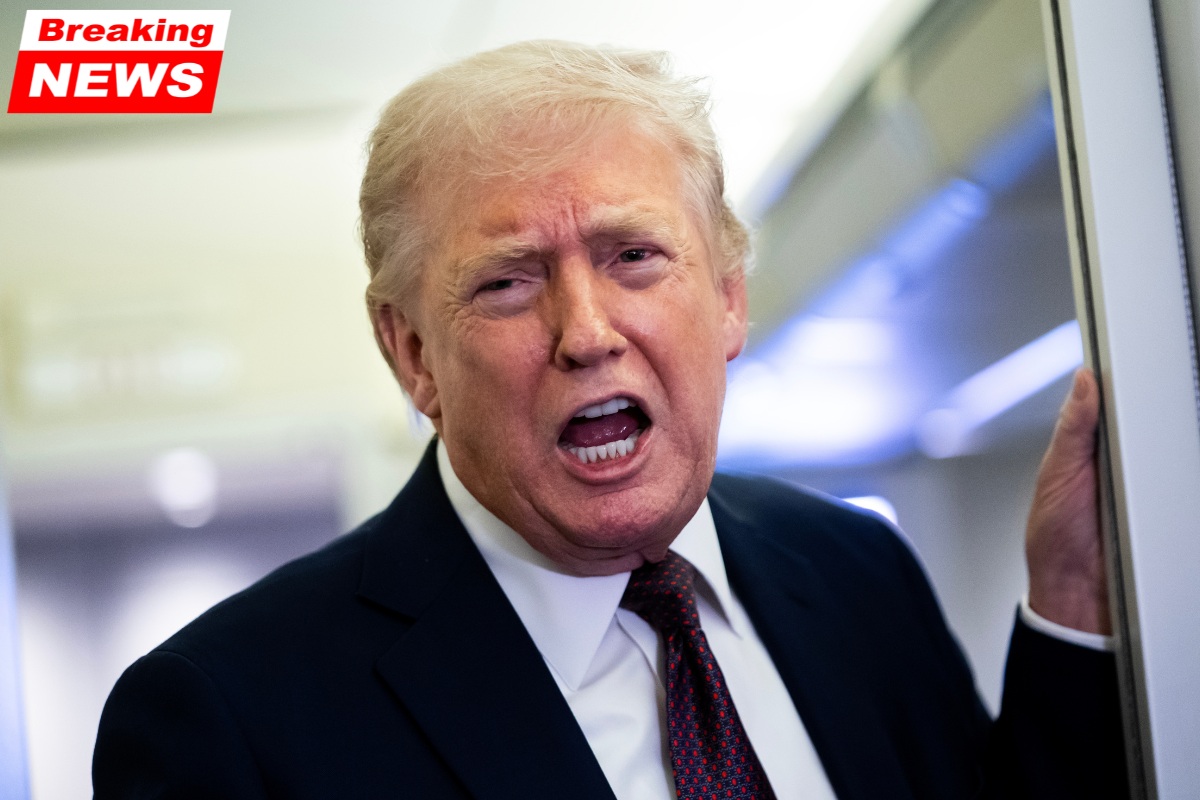
President Trump reacted sharply, calling Kent “weak on security” and saying he was glad Kent was gone because Kent had claimed Iran was not a threat. The White House press secretary also pushed back, calling parts of Kent’s letter false and repeating the administration’s view that intelligence showed Iran posed an imminent danger. These public back-and-forth comments highlight a big split inside the administration about why the United States went to war.
What Kent said — and why it matters
In his letter, Kent accused senior Israeli officials and some US media figures of running a “misinformation campaign” that convinced the president a swift victory was possible and that Iran was an immediate threat. He warned that the United States was slipping into another long, costly Middle East conflict — a comparison some readers drew to the Iraq war. Because Kent led counterterrorism efforts and advised senior intelligence leaders, his public refusal to stay signals real concern about the war’s justification inside the national security community.
Kent’s background and personal note
Kent is a Green Beret veteran confirmed to the NCTC role in July 2025. His resignation letter also referenced a personal cost: his wife was killed by a suicide bomber in Syria in 2019, which he said shaped his view on the human cost of war. Observers note that his military service and personal loss add weight to his decision to resign publicly rather than quietly.
How other officials reacted — and next steps
Some senior officials defended the administration’s case for action, saying the president saw intelligence that showed an imminent threat. Others in Congress and the media questioned whether the evidence supported that claim. The resignation may trigger more public debate, oversight questions from lawmakers, and possible changes inside the intelligence community as leaders work to present unified assessments.
Simple table: quick facts
| Item | Summary |
|---|---|
| Who resigned | Joe Kent, NCTC director (public resignation posted on X). |
| Reason given | He said Iran “posed no imminent threat” and blamed pressure from Israel and media. |
| Trump’s response | Called Kent “weak on security” and defended the war decision. |
| Why it’s important | Kent was a top counterterrorism adviser; his public break raises questions about the war’s justification. |
| Sources | Major outlets report the resignation and reactions. |
What ordinary people should know
- A senior national security official resigning in protest is rare and signals serious internal disagreement.
- The administration says it acted on intelligence showing an imminent threat; Kent says that intelligence did not justify war.
- This development could lead to more public hearings, media investigations, and political pressure as lawmakers and the public demand clear answers.
What might happen next
Expect more coverage and analysis from the press, questions from Congress, and possible shifts in how intelligence and policy are explained to the public. The resignation could also encourage other officials to speak up or step down, depending on how the White House responds.
Joe Kent’s resignation is a major moment in the growing debate over the Iran war. It shows there is not unanimous support within the administration for the action taken, and it raises urgent questions about the evidence used to justify military strikes.
Because Kent led counterterrorism efforts and has personal experience with the costs of conflict, his choice to resign publicly gives the public a strong signal: some inside government believe the case for this war was not proven. That makes transparency — clear, public explanations backed by intelligence and oversight — more important than ever.
Citizens, the media and lawmakers will now press for answers so that decisions about young people’s lives and national security are based on sound facts, not pressure or misinformation.