
Oklahoma families with loved ones in unsolved murder cases may soon have a new opportunity to seek justice. Governor Kevin Stitt has officially signed Senate Bill 1636 into law, establishing a formal process for reviewing cold cases across the state.
Lawmakers say the legislation is aimed at helping families who have spent years, and in some cases decades, searching for answers in unresolved homicide investigations. [Source]
Legislation Inspired by High-Profile Oklahoma Cold Case
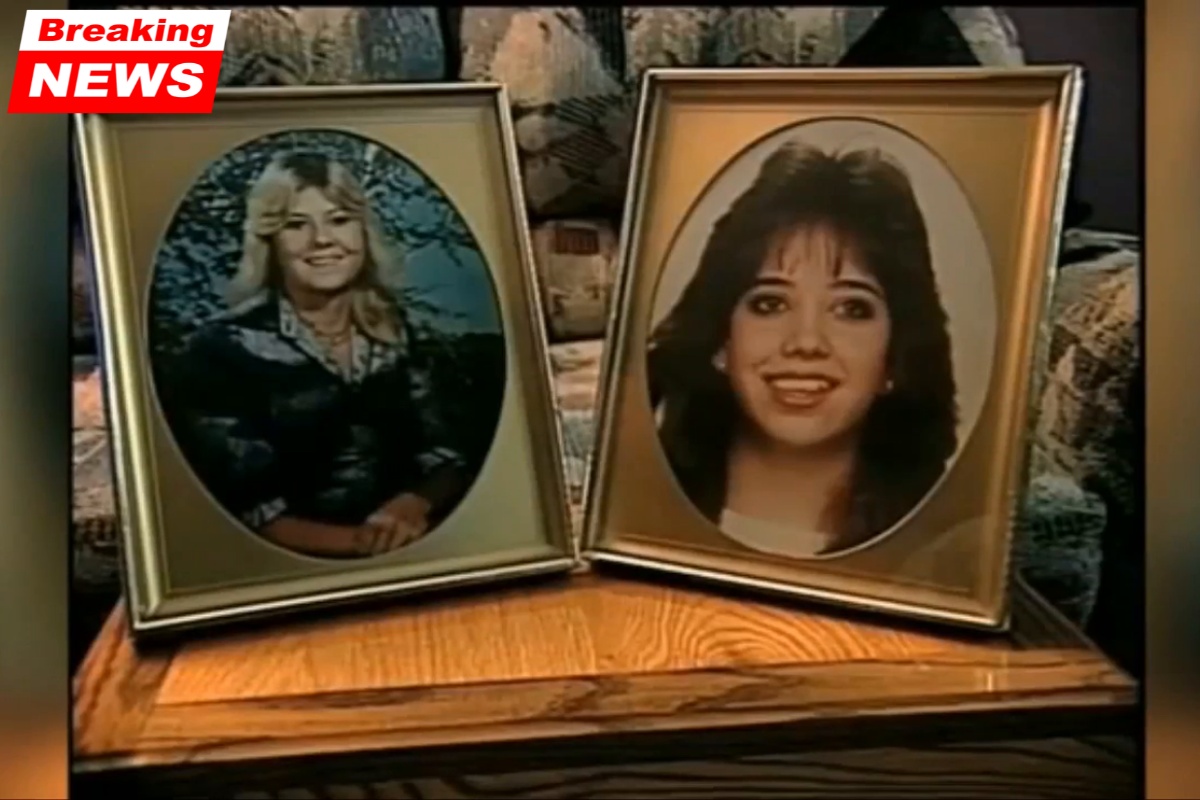
The bill was inspired in part by one of Oklahoma’s most well-known unsolved murder cases involving Cheryl Genzer and Lisa Pennington. Nearly 39 years ago, the two girls disappeared from the Oklahoma State Fair before their bodies were later discovered in a shallow grave.
Despite years of investigation, the case remains unsolved. Supporters of Senate Bill 1636 say stories like theirs highlight the need for updated investigations and renewed attention on long-standing cases. [Source]
Thousands of Oklahoma Families Still Waiting for Answers
According to supporters of the legislation, nearly 1,000 Oklahoma families are still waiting for justice in unsolved murder cases. Lawmakers believe the new review process could provide hope for families who feel their cases have gone cold.
“As I worked with families, advocates, and law enforcement on this issue, I became passionate about the need to give loved ones a way forward to reopen these cold cases,” said Carri Hicks. “I believe the end result will actually strengthen public safety in Oklahoma as we bring those responsible for these heinous crimes to justice.” [Source]
What Senate Bill 1636 Will Change
Under the new law, certain family members will have the right to formally request a review of a cold case. Importantly, the review must be handled by investigators who were not involved in the original investigation.
The legislation also introduces accountability measures and strict timelines for agencies handling these requests. Investigators must:
- Acknowledge review requests within 30 days
- Complete reviews within six months unless an extension is justified
- Consider updated forensic testing
- Re-interview witnesses
- Apply modern investigative techniques
Families will also receive regular updates throughout the review process and participate in a final meeting discussing the findings. [Source]
Restrictions Included in the Law
The law includes limitations on repeated reviews. If investigators conclude that no additional action is necessary after the review, the case cannot be reconsidered again for at least five years.
Supporters say the balance allows agencies to focus resources effectively while still giving families a structured process for seeking renewed investigations. [Source]
Lawmakers Say the Bill Brings Hope
Supporters across both political parties backed the measure unanimously in the Oklahoma House and Senate.
“This legislation should bring some much-desired relief to Oklahoma families who have waited too long for justice in a loved one’s cold case,” said Ross Ford. “It brings hope that with updated investigation methods and fresh eyes, these cases can be solved.” [Source]
When the New Law Takes Effect
Senate Bill 1636 is scheduled to officially take effect on November 1, 2026. Once active, eligible families across Oklahoma will be able to begin requesting formal cold case reviews under the new legal framework. [Source]
Cold Case Law Summary Table
| Key Detail | Information |
|---|---|
| Bill Name | Senate Bill 1636 |
| Signed By | Governor Kevin Stitt |
| Purpose | Create formal cold case review process |
| Applies To | Unsolved murder cases |
| Family Rights | Request independent case review |
| Review Timeline | Agencies must respond within 30 days |
| Completion Deadline | Six months unless extended |
| New Investigation Methods | Forensics, witness interviews, updated techniques |
| Effective Date | November 1, 2026 |
| Legislative Support | Passed unanimously |
Oklahoma’s new cold case review law marks a major step toward giving families renewed hope in unsolved homicide investigations. By creating a formal process with independent investigators, updated forensic tools, and clear accountability measures, lawmakers aim to provide long-awaited answers to families across the state.
For many Oklahoma families who have spent years searching for justice, Senate Bill 1636 represents a new opportunity to revisit cases that have remained unresolved for decades.






