It started as a routine crash call on a Tulsa intersection—another collision at a stop sign, another injured rider rushed to the hospital. But nearly two weeks later, the story has taken a far heavier turn. The 21-year-old motorcyclist, Bradley Winans, has now died from his injuries, and what was already a serious case may soon escalate into something much more severe.
What Happened on March 19
According to Tulsa police, the crash unfolded around 3:15 p.m. near South Jamestown Avenue and East 31st Street—a busy stretch where visibility and right-of-way decisions matter.
Investigators say a silver 2021 Chevy Malibu was heading south on Jamestown and attempted to cross East 31st Street despite having a stop sign.
At that same moment, Winans was riding a 2025 Kawasaki Ninja ZX-6R eastbound—likely with the right of way.
The result was a violent side-impact collision.
Here’s a breakdown of the sequence:
| Event | Details |
|---|---|
| Location | S. Jamestown Ave & E. 31st St, Tulsa |
| Time | ~3:15 p.m., March 19 |
| Vehicles | 2021 Chevy Malibu & 2025 Kawasaki ZX-6R |
| Cause (preliminary) | Failure to yield at stop sign |
| Impact | Motorcycle struck side of sedan |
The Decision That Changed Everything
Crashes happen. What followed is what’s drawing the most scrutiny.
Police say the driver of the Chevy—identified as N. Er Uwei—left the scene shortly after the collision.
A witness stepped in, following the vehicle and capturing photos of both the car and its license plate. That detail proved critical.
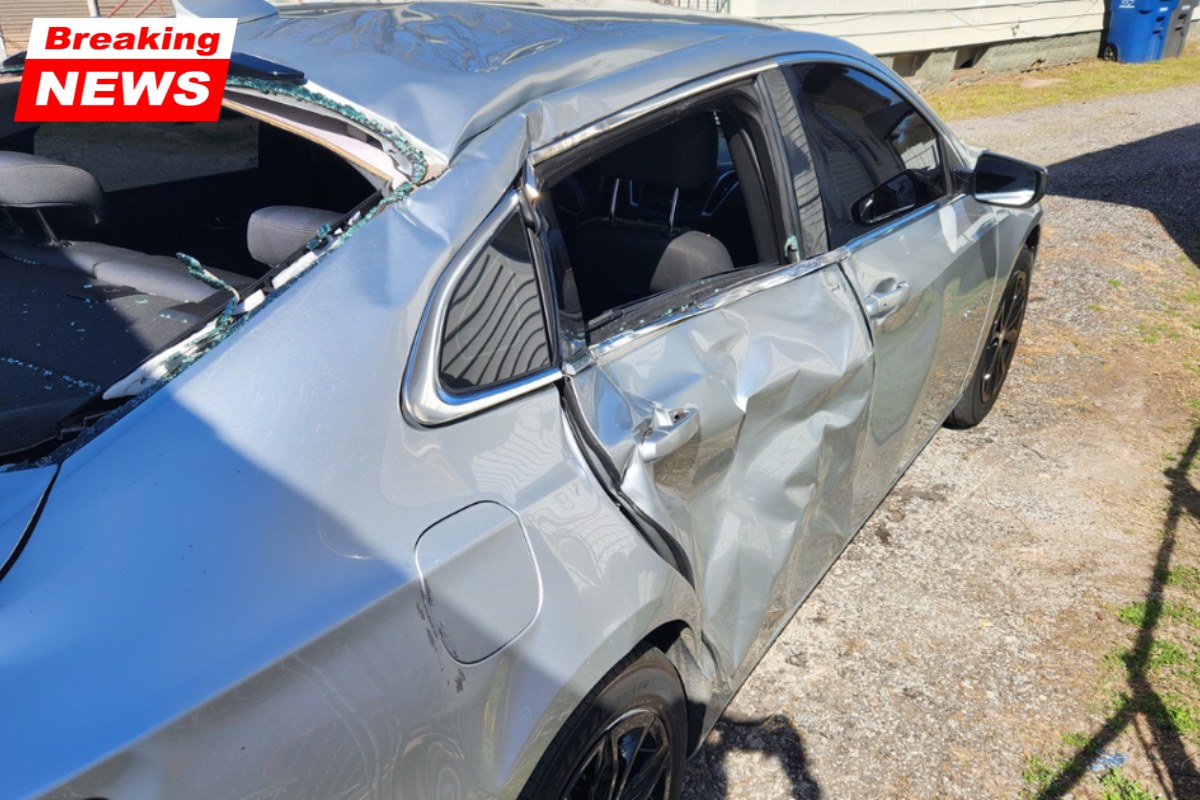
Officers later tracked the car to a nearby home, where they reportedly found it parked in a driveway with visible damage.
When questioned, police say Uwei told them he “didn’t know what to do, so he went home.”
That statement may now carry significant legal weight.
A Life Lost After Days of Fighting
Winans was transported to the hospital in critical condition immediately after the crash. For days, his condition remained severe.
Then on Monday, authorities confirmed he had died from his injuries.
That development shifts the case entirely.
What began as an injury crash is now a fatal hit-and-run—and under Oklahoma law, that opens the door to much more serious charges.
Charges So Far—and What Could Change
Before Winans’ death, Uwei had already been arrested and booked on multiple charges:
| Charge | Description |
|---|---|
| Leaving the scene of an injury accident | Fleeing after causing harm |
| Causing accident without a license | Resulting in great bodily injury |
| Failure to yield | At a stop sign |
| No driver’s license | Operating illegally |
| No insurance | Additional violation |
Now, prosecutors are reassessing.
The Tulsa County District Attorney’s Office has confirmed it is re-evaluating the case, which could lead to upgraded charges—potentially including forms of negligent homicide or manslaughter, depending on findings.
Why This Case Is Likely to Escalate
Two factors stand out immediately:
1. Failure to Yield + Fatal Outcome
If investigators confirm the driver caused the crash by ignoring a stop sign, that establishes a baseline of negligence.
2. Leaving the Scene
Fleeing after a crash—especially one involving serious injury—often turns a tragic accident into a criminal case with far steeper consequences.
In many jurisdictions, including Oklahoma, staying at the scene and cooperating can significantly affect how a case is charged. Leaving removes that possibility.
The Role of the Witness
This case might have looked very different without a bystander.
The witness who followed the suspect vehicle and documented the license plate effectively:
- Preserved key evidence
- Helped police locate the vehicle quickly
- Strengthened the timeline of events
In hit-and-run cases, that kind of real-time civilian action can make or break an investigation.
A Broader Reality: Motorcycles and Risk
Motorcycle crashes tend to be disproportionately severe, even when the rider isn’t at fault.
According to data from the National Highway Traffic Safety Administration (https://www.nhtsa.gov/road-safety/motorcycles), motorcyclists are significantly more likely to suffer fatal injuries in collisions compared to occupants of passenger vehicles.
Factors include:
- Lack of physical protection
- Visibility challenges for other drivers
- High-impact dynamics in side collisions
In cases like this—where a car pulls into a rider’s path—the margin for survival is often painfully small.
What Happens Next
The next steps will likely unfold in stages:
- Medical examiner’s final report confirms cause of death
- Prosecutors review evidence including witness accounts and crash reconstruction
- Charges potentially upgraded to reflect the fatal outcome
- Court proceedings resume under revised charges
If charges are elevated, the legal exposure for the driver increases significantly—potentially including years in prison.
The Human Side of the Story
It’s easy to get lost in the legal details, but at the center of this is a 21-year-old who didn’t make it home.
And a moment—one decision at a stop sign, another decision to leave—that changed multiple lives in a matter of seconds.
Cases like this tend to linger in a community, not just because of what happened, but because of how quickly it unfolded—and how preventable it may have been.