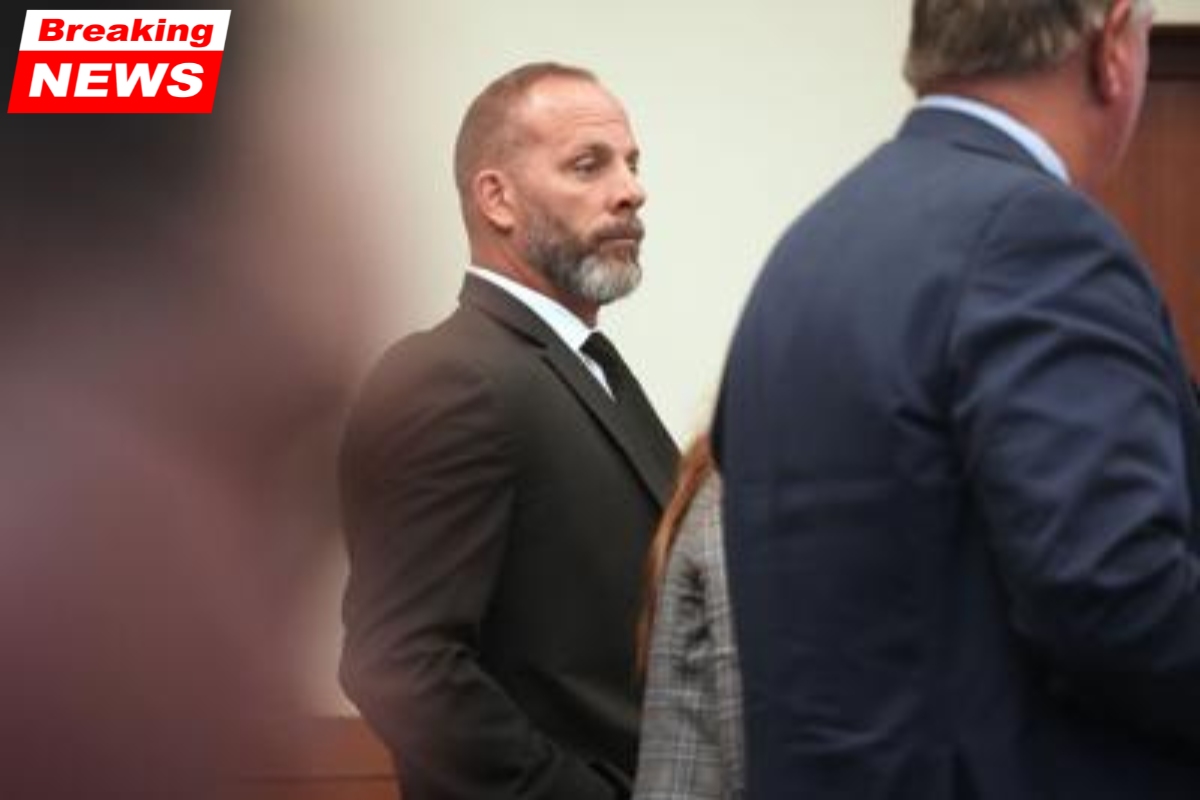
Former Franklin County sheriff’s deputy Jason Meade was found guilty Thursday of reckless homicide in the 2020 shooting death of Casey Goodson Jr., a 23-year-old Black man who was bringing sandwiches to his grandmother’s home in Columbus, Ohio.
The case has sparked significant public outcry and calls for justice, with Goodson’s death occurring in the midst of a national movement for police reform following the killing of George Floyd.
Details of the Shooting Incident
Casey Goodson was shot and killed by Meade on December 4, 2020, after Goodson had just stopped at a dentist’s office and Subway before heading to his grandmother’s home.
According to family members, Goodson was returning home when he was shot in the back while attempting to enter the house.
His grandmother, who witnessed the incident, later told a 911 operator, “My grandson just got shot in the back when he came in the house,” and described him as a good young man who had no criminal record.
Family attorney Sean Walton stated that Goodson had put his keys into the door before he was shot, and hours later, the keys remained hanging from the door, symbolizing how close Goodson was to safety.
Goodson was a legal concealed carry permit holder and was armed at the time of the shooting, but Walton emphasized that Goodson had not been accused of any crime.
At the time of the shooting, Meade was part of a U.S. Marshals fugitive task force looking for violent suspects, but police later confirmed that Goodson was not the individual they were seeking.
The Trial and Conviction
Meade was initially charged with murder, but the jury was unable to reach a verdict on the murder charge, leading the judge to declare a mistrial on that count. However, Meade was convicted of reckless homicide. This conviction came during Meade’s retrial, as the first trial had also ended without a verdict.
During the trial, Meade testified that he fired his weapon because he believed Goodson had a gun and was turning toward him in the doorway.
However, no other witnesses testified to seeing Goodson holding a gun, and there was no video footage to corroborate Meade’s account. The jury’s decision to convict Meade of reckless homicide reflects their conclusion that the shooting was not justified.
Public Reaction and Demand for Justice
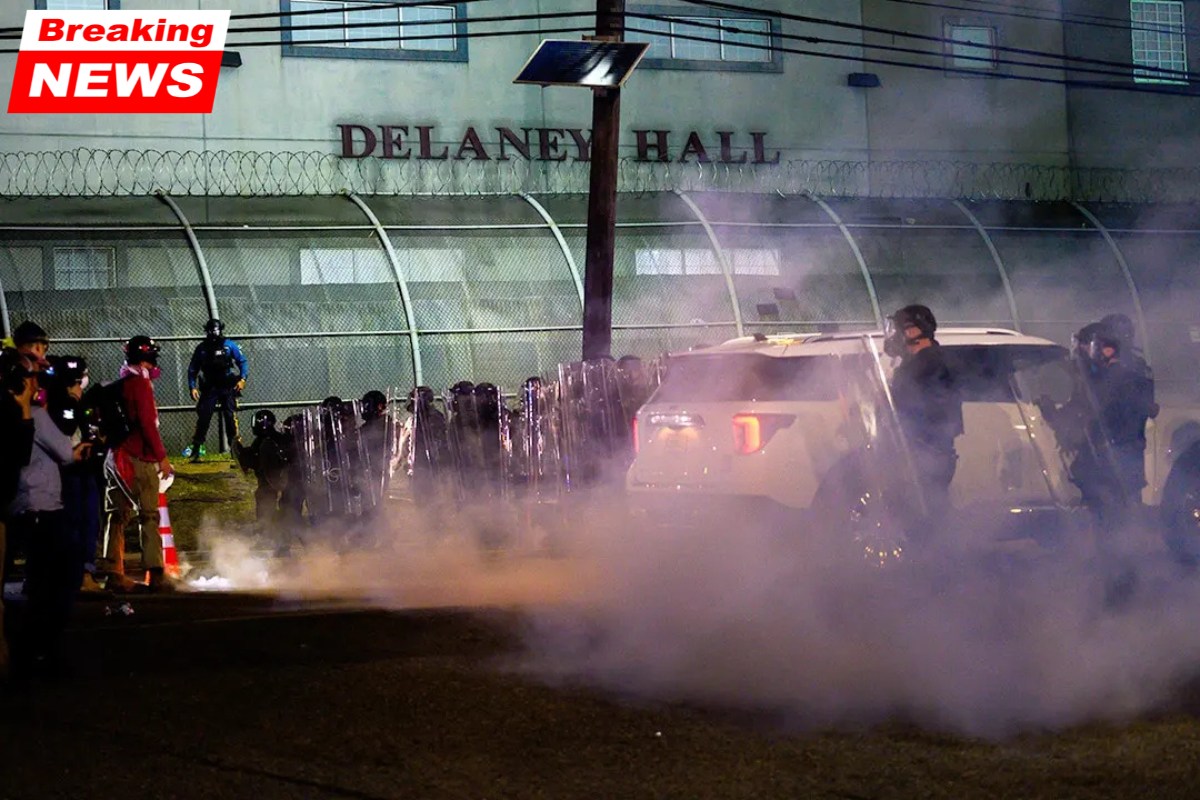
Goodson’s death fueled protests and public outcry, especially amid a larger national conversation about police violence and the need for police reform. In Ohio, banners calling for justice for Goodson and the conviction of Meade were displayed on highway overpasses.
These public demands for justice were so strong that the judge ordered the banners to be removed during the trial.
Goodson’s family and their supporters have continued to push for accountability, arguing that the actions of Jason Meade were unjust and that Goodson’s death was another tragic example of police violence against Black Americans.
Meade’s Sentence and Legal Outcome
Meade’s sentencing is set for July 16. Following the verdict, the judge revoked Meade’s bond, ensuring that he will remain in custody until his sentencing.
The conviction represents a significant legal outcome in a case that sparked widespread attention, and it adds to the ongoing conversation around police accountability, especially in cases where law enforcement officers are involved in the deaths of civilians.
A Step Toward Justice, but Challenges Remain
While the conviction of Jason Meade on reckless homicide charges is seen as a step toward justice for Casey Goodson Jr., the case highlights ongoing issues related to police use of force and accountability.
The public’s continued demand for justice underscores the need for broader police reforms, and the sentence in July will be another pivotal moment in this high-profile case.