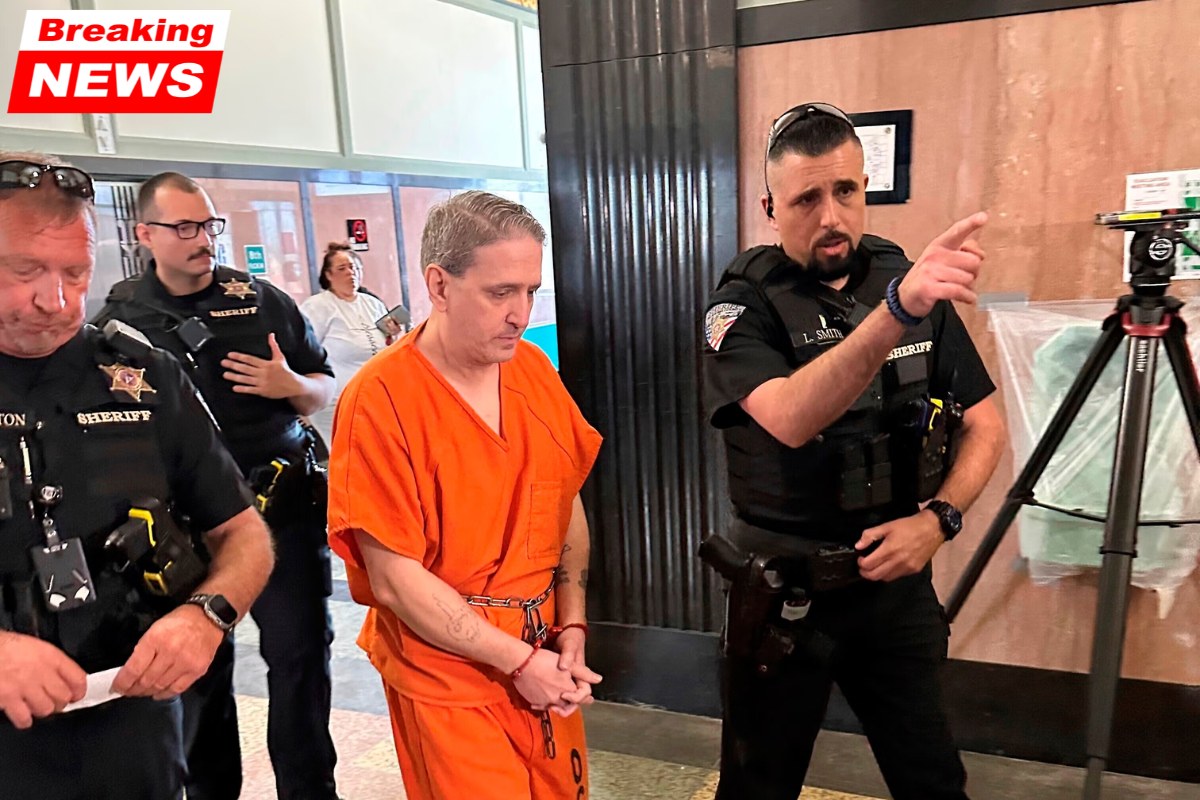
After spending almost three decades on Oklahoma’s death row, inmate Richard Glossip may soon walk free as he awaits a new trial. A judge has now granted him bond, opening the possibility of his first release from prison since 1997.
Glossip, now 63 years old, was originally arrested in connection with the murder of his former employer, Barry Van Treese. Over the years, the case became one of the most widely discussed death penalty cases in the United States because of repeated appeals, execution delays, and growing questions surrounding the evidence used against him.
Judge Sets $500,000 Bond for Glossip
Oklahoma Judge Natalie Mai approved a bond amount of $500,000 as part of the new court order.
If released, Glossip must follow several strict conditions, including:
- Wearing a monitoring device
- Remaining inside Oklahoma
- Avoiding contact with possible witnesses
- Not consuming alcohol or drugs
The ruling follows years of legal battles that eventually led to Glossip being granted a new trial.
| Case Detail | Information |
|---|---|
| Name | Richard Glossip |
| Age | 63 |
| Arrest Year | 1997 |
| Victim | Barry Van Treese |
| Original Sentence | Death Penalty |
| Current Status | Granted bond pending retrial |
| Bond Amount | $500,000 |
Murder Case Dates Back to 1997
Barry Van Treese owned a motel in Oklahoma City where Glossip worked at the time of the killing.
Court documents stated that Van Treese died after being beaten with a baseball bat.
Another man, Justin Sneed, admitted to carrying out the killing but claimed Glossip paid him to commit the crime.
Sneed later received a life prison sentence and became the prosecution’s key witness during Glossip’s murder trials.
Questions Raised About Key Witness Testimony
The case took a major turn in 2022 after Oklahoma officials reportedly discovered evidence suggesting Justin Sneed may have suffered from a mental illness.
According to court filings, prosecutors allegedly knew about the condition but did not reveal it during the trial.
Legal experts argued that the hidden information could have affected the jury’s view of Sneed’s credibility and testimony.
The issue eventually reached the U.S. Supreme Court.
Supreme Court Ordered a New Trial
In February 2025, the Supreme Court ruled that prosecutors violated Glossip’s constitutional right to due process by failing to correct misleading testimony connected to Sneed.
As a result, the court granted Glossip a new trial.
The ruling became a major development in a case that had already lasted nearly 30 years.
Oklahoma Still Plans to Retry Glossip
Despite the new trial order, Oklahoma Attorney General Gentner Drummond announced that the state still intends to retry Glossip for first-degree murder.
However, prosecutors reportedly plan to seek life imprisonment instead of the death penalty if he is convicted again.
Glossip has continued to maintain his innocence throughout his years on death row.
Richard Glossip Narrowly Avoided Execution Multiple Times
Glossip’s case became nationally known partly because of the number of times he came close to execution.
According to reports:
- Nine execution dates were scheduled
- He narrowly avoided execution three times
- One execution was reportedly stopped after he had already been strapped to a gurney for lethal injection
The repeated delays and legal reversals turned the case into a major topic in debates over the American death penalty system.
Defense Team Calls Ruling a Major Step Toward Justice
Glossip’s attorney, Donald Knight, said the bond decision finally gives his client “the chance to taste freedom” while his legal team continues fighting the case.
Knight also criticized what he described as serious misconduct by prosecutors during the original trials.
Meanwhile, Glossip’s wife told reporters the family felt grateful and emotional after the court’s decision.
“We have been praying for this day,” she said.
Case Continues to Draw National Attention
The Richard Glossip case remains one of the most controversial criminal justice cases in Oklahoma history.
Supporters argue the case exposes problems involving:
- Witness credibility
- Prosecutorial misconduct
- Death penalty procedures
- Fair trial protections
Critics of the original conviction believe the latest court decisions strengthen concerns that Glossip may have been wrongfully convicted.
As the retrial process moves forward, the case is expected to continue attracting national attention from legal experts, activists, and criminal justice advocates.