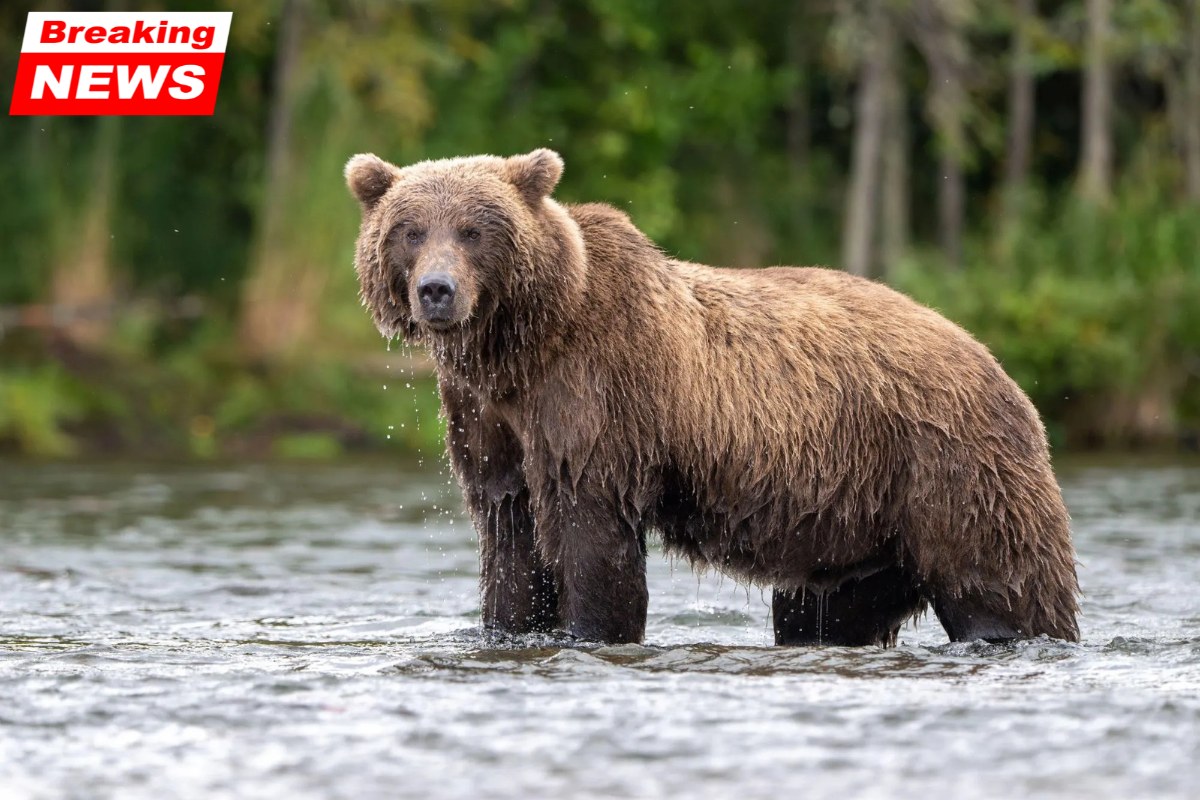
A routine military training session in Alaska turned into a life-threatening encounter when two soldiers were attacked by a brown bear. The incident highlights the real dangers of operating in remote wilderness areas, where human activity overlaps with powerful wildlife.
What Happened During the Training Exercise
The two soldiers, stationed at Joint Base Elmendorf-Richardson in Anchorage, were taking part in a land navigation exercise when they unexpectedly encountered the bear. These exercises are designed to train troops to move through unfamiliar terrain using maps and compasses, often in remote and rugged environments.
According to officials, the encounter quickly turned violent. The bear mauled both soldiers before they were able to escape. Despite the severity of the attack, both individuals survived and were transported for medical treatment.
Official Response and Medical Update
A statement from the 11th Airborne Division confirmed that both soldiers sustained injuries and are receiving appropriate care. However, no further details about their conditions have been released.
Officials stated:
“Both individuals sustained injuries and are currently receiving appropriate medical care.”
To respect privacy, the identities of the soldiers have not been disclosed, and updates will remain limited until their families have been notified.
Why the Bear Likely Attacked
The Alaska Department of Fish and Game believes the attack was defensive in nature. Brown bears in Alaska often react aggressively when they feel threatened, especially during certain times of the year.
Experts suggest the bear had likely just emerged from hibernation, a period when animals are particularly sensitive and protective of their space. Sudden human presence can trigger defensive behavior, even if there was no intention to provoke the animal.
Bear Spray May Have Saved Their Lives
Both soldiers were equipped with bear spray at the time of the encounter. This non-lethal deterrent is widely recommended for anyone traveling in bear territory.
Officials noted that carrying bear spray may have prevented the situation from becoming fatal. In many cases, bear spray is proven to be highly effective at stopping aggressive behavior when used correctly.
A spokesperson emphasized that:
“Having bear spray with them in the field may have saved their lives.”
Ongoing Investigation and Missing Bear
Authorities have launched an investigation to better understand how the attack unfolded. Wildlife officials have also attempted to locate the bear but have not yet been successful.
Regional Supervisor Cyndi Wardlow stated that the goal is to gather as much information as possible to improve public safety.
Efforts will focus on identifying what led to the encounter and how similar incidents can be prevented in the future.
Bear Attacks in Alaska: A Broader Context
Bear encounters are not rare in Alaska. The state is home to a large population of both black and brown bears, making it one of the most wildlife-dense regions in North America.
Key Statistics on Bear Attacks in Alaska
| Category | Data |
|---|---|
| Black bear population | ~100,000 |
| Brown bear population | ~30,000 |
| Hospitalizations (2000–2017) | 68 cases |
| Fatalities in same period | 10 deaths |
| Percentage of attacks by brown bears | 96% |
These figures show that while attacks are relatively uncommon compared to the population size, they can be severe when they do occur.
Past Incident Highlights the Risk
This is not the first serious bear attack involving military personnel in the area. In 2022, Staff Sergeant Michael Plant was killed in a bear attack near Anchorage.
He was just 30 years old at the time, and the incident served as a stark reminder of the risks faced by those working in Alaska’s wilderness.
Life Around Joint Base Elmendorf-Richardson
The base itself is home to more than 40,000 people, including military personnel and their families. It hosts several major units, including:
- 11th Airborne Division
- 673rd Air Base Wing
- U.S. Army Alaska
Given its location, encounters with wildlife are an ongoing concern for those living and training in the area.