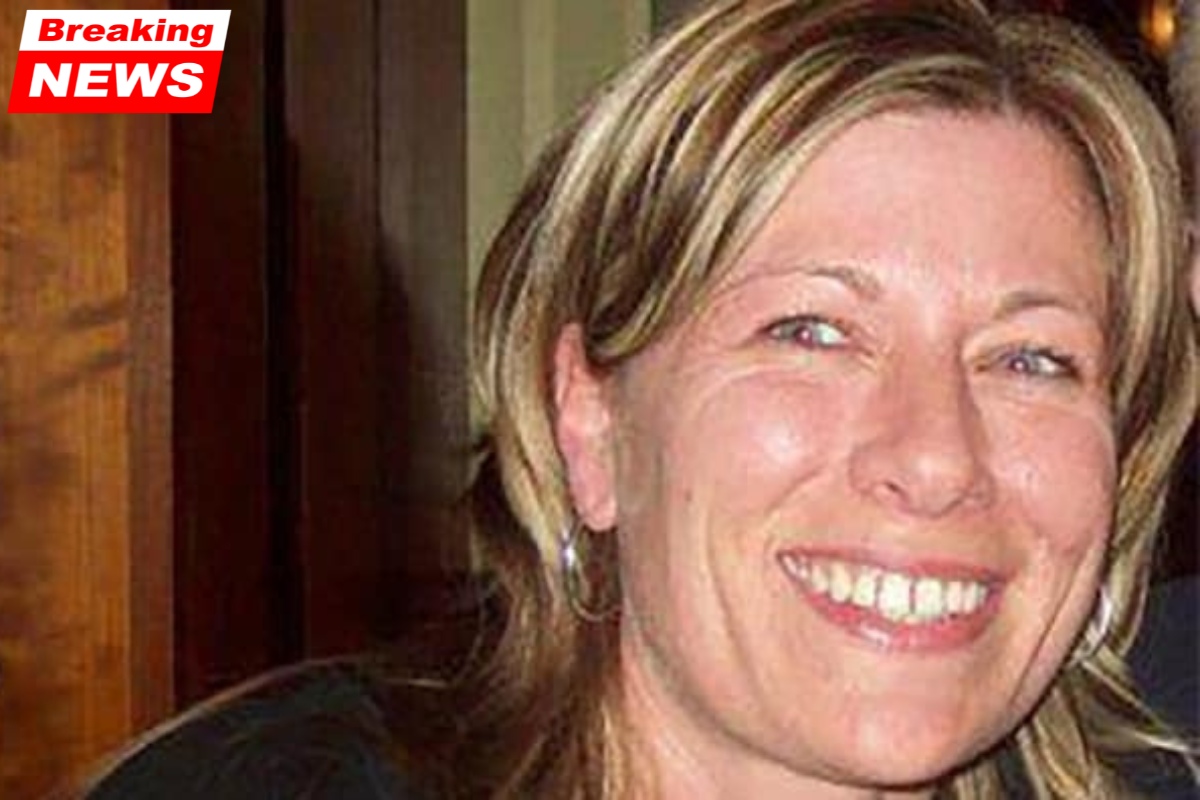
Wendy Duffy, a 56-year-old mother from the West Midlands, is traveling to Switzerland to undergo assisted dying at the Pegasos clinic. This decision comes after years of immense grief following the tragic death of her only son, Marcus, who passed away in 2025 after choking on a sandwich.
Wendy, who is physically healthy, has been struggling with severe depression and emotional pain for the past four years and believes her life is no longer worth living without her son.
A Mother’s Grief: Wendy’s Decision to End Her Life
Marcus, an aspiring musician, died in 2025 after choking while eating a sandwich his mother had made for him. He had fallen asleep on the couch while eating, and his tragic death left Wendy devastated. Despite performing CPR on him, Marcus passed away after five days in the hospital.
Wendy recounts her trauma: “I broke when I saw him in there. My boy, on a metal table. You can’t come back from that, you know,” she said, describing her overwhelming grief. She spent days visiting his body in the funeral home, playing his favorite songs for him, an act she says left her emotionally shattered.
Years of Struggling with Mental Health and Therapy
Wendy has been struggling to cope with the loss of Marcus for years. She tried antidepressants, counseling, and private therapy in an attempt to heal, but none of it has worked. She explains that despite her efforts, nothing has helped: “I don’t care about anything anymore. I exist. I don’t live.”
She previously attempted suicide nine months after Marcus’s death, but was saved when police intervened after a friend alerted authorities. After spending two weeks on a ventilator in the hospital, Wendy was transferred to a psychiatric ward, from which she discharged herself after one night.
Assisted Dying in Switzerland: Wendy’s Journey to Pegasos Clinic
Wendy’s decision to end her life in Switzerland follows a rigorous application process at the Pegasos clinic, a non-profit organization that offers voluntary assisted dying services. After months of back-and-forth with the clinic, including online communication and several assessments, Wendy’s suffering was deemed to meet the facility’s criteria.
In 2025, she issued a formal application, paying an initial £5,000 and later settling the final balance of £10,000 using her life savings. This amount covers the costs of her medications, doctors, and funeral arrangements, with some funds also going to the Swiss state.
Wendy’s Preparations: Letters and Final Wishes
As part of her preparations, Wendy has written letters to her family, including her four sisters and two brothers, explaining her decision. She has made arrangements for her belongings and has chosen the clothing she will wear in her final moments, including a t-shirt that belonged to Marcus, which still carries his scent. Wendy has also chosen the music she wishes to hear during her passing, including some of her son’s favorite songs.
Her family has been informed of her decision, but for their protection, they have not been given details about her specific timeline. If anyone were to assist her or travel with her, they could face legal consequences under UK law.
The Legal Situation: Euthanasia in the UK
Euthanasia is illegal in the UK, carrying a maximum sentence of life imprisonment. Assisted suicide is also a crime, with penalties of up to 14 years in jail. However, there are some legal exceptions, such as “passive euthanasia,” where life-extending treatments are withdrawn, like turning off life support.
This makes it difficult for individuals like Wendy to seek euthanasia within the UK, prompting some to travel abroad to countries where assisted dying is legal, like Switzerland. Wendy’s decision highlights the limited options available for people suffering from emotional pain or loss in the UK.
The Terminally Ill Adults (End of Life) Bill
In the UK, the Terminally Ill Adults (End of Life) Bill has been a point of contention. The bill, which has seen delays in Parliament, aims to allow assisted dying for terminally ill adults with strict safeguards in place. The bill requires approval from two doctors and a new expert panel before the procedure can take place, with provisions for reflection periods and safeguards to prevent coercion.
Supporters of the bill argue that it would give individuals a more compassionate way to end their suffering, but there are ongoing debates about its potential implications. Wendy’s story has drawn attention to the ongoing challenges faced by those who want to end their life due to unbearable grief and emotional pain but lack the legal means to do so in the UK.
Wendy’s Last Days: The Emotional Toll of Grief
In her final days, Wendy has cleared out her home and made plans for her loved ones to find the letters she has written for them. She explains that her life is filled with agony and she simply cannot live without Marcus. “My life is agony, and I don’t want to live without my son,” she says, emphasizing the irreparable damage his loss has caused her.
Wendy hopes her decision will bring attention to the unfairness of the current UK system regarding euthanasia. She shares her story as a means of highlighting the emotional suffering of those like her who feel trapped in a cycle of grief with no option for relief.
Wendy’s Journey and the Global Debate on Assisted Dying
Wendy Duffy’s heartbreaking journey to end her life in Switzerland underscores the emotional and legal complexities surrounding euthanasia. Her decision to travel abroad for assisted dying sheds light on the limitations of the current UK system for individuals suffering from intense emotional pain.
As the debate surrounding euthanasia and assisted suicide continues in the UK, Wendy’s case may prompt further conversations about the rights of individuals to make decisions about their own lives, particularly when faced with overwhelming grief and loss.