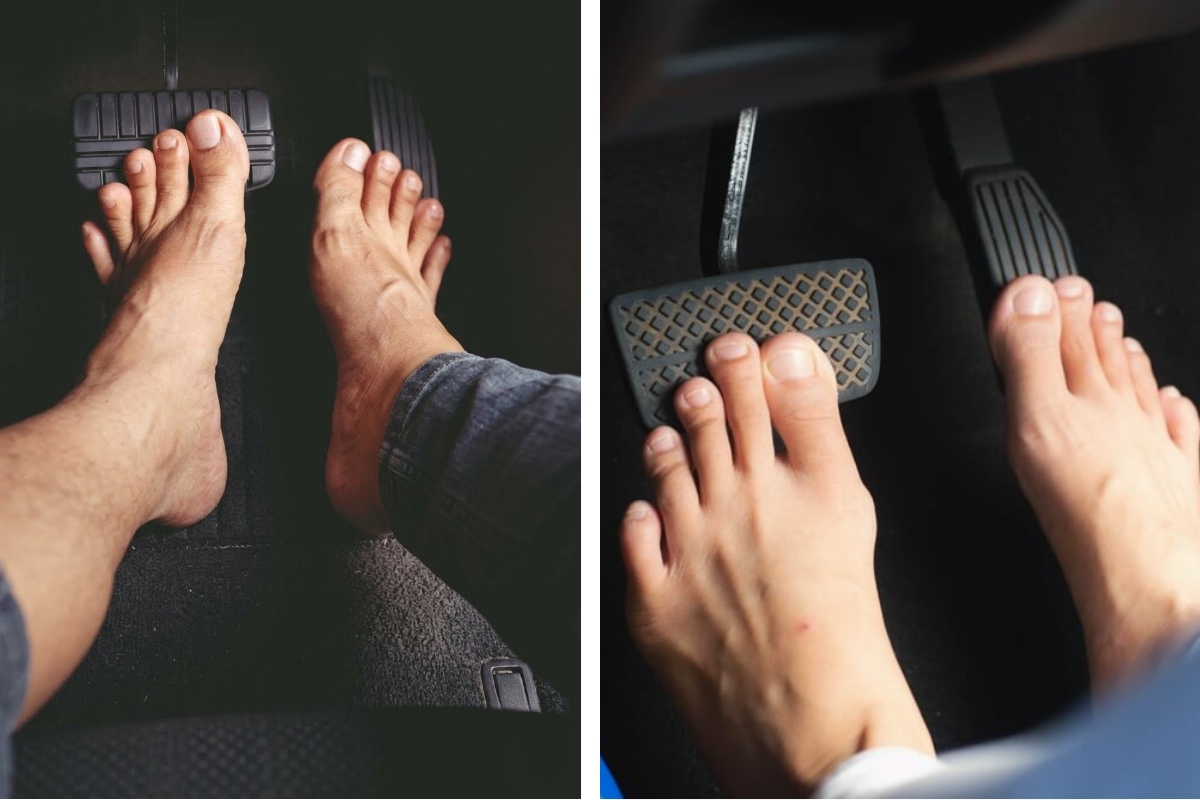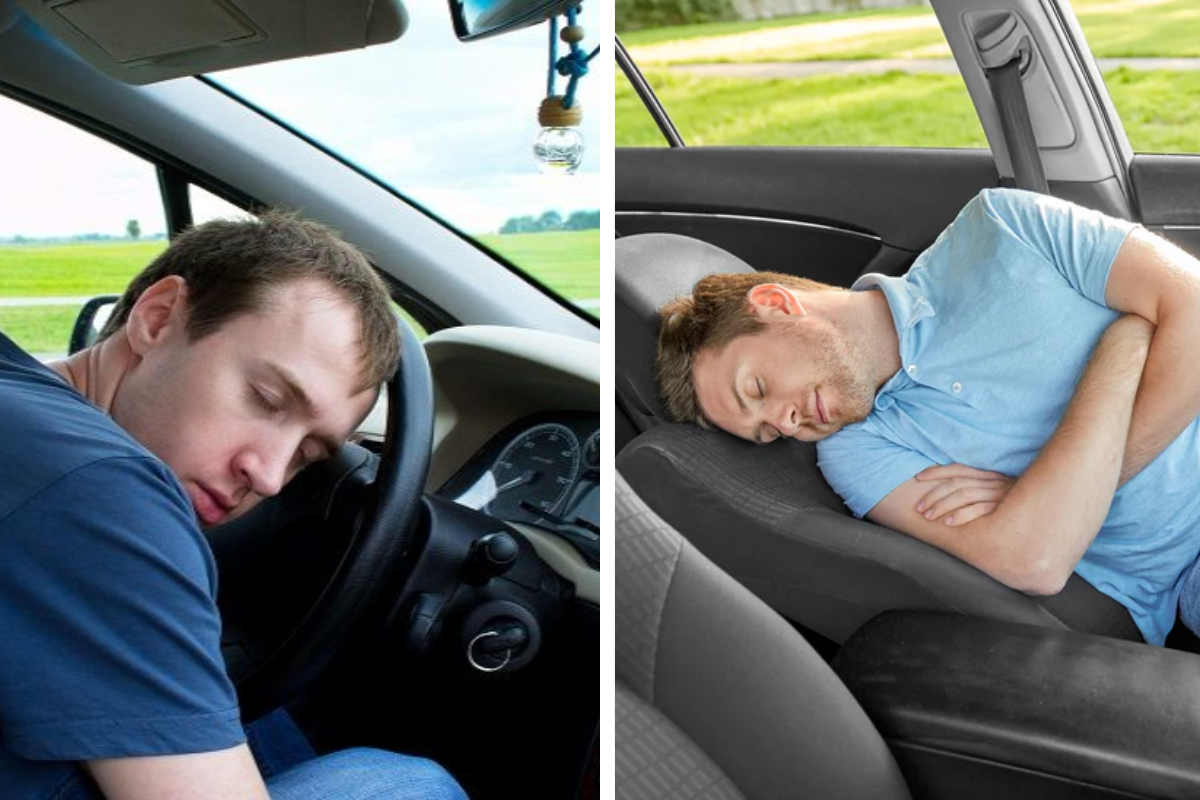
Sleeping in your car in Illinois is generally legal under state law but hinges on location, circumstances, and local rules. No statewide ban exists, making it a practical option for travelers or those in temporary need, yet risks like DUI charges or city ordinances demand caution.
Statewide Legal Framework
Illinois lacks a blanket prohibition on sleeping in vehicles. As long as you’re not blocking traffic, disturbing the peace, or breaking other laws, it’s permissible on public roadsides or safe spots.
State rest areas and welcome centers—30 rest stops and 11 centers—explicitly allow it, with a soft three-hour limit rarely enforced to promote driver safety. Sleeping inside the vehicle is fine, but avoid grass, benches, or tents.
Safe and Legal Locations
Rest areas provide the most secure option, open 24/7 for short rests. Private lots like Walmart or truck stops may work if you get owner permission, as policies vary widely.
Urban areas complicate matters. Cities like Chicago enforce parking restrictions or overnight bans, while Belleville prohibits RVs for sleeping on city property except briefly in commercial zones.
Major Legal Risks
The biggest hazard is DUI laws. Illinois prohibits “actual physical control” of a vehicle while intoxicated, even if parked and asleep with keys accessible. Courts have upheld charges for sleepers in back seats or with keys nearby, as the ability to drive exists.
Other pitfalls include trespassing on private property, illegal parking, or loitering. Intoxication in the driver’s seat with keys in the ignition triggers arrests, regardless of motion.
Local Variations and Enforcement
While state law is permissive, municipalities hold sway. Chicago’s ordinances target overnight parking, and many HOAs ban it in neighborhoods. Always verify city codes via municipal websites or apps before settling in.
Enforcement prioritizes safety over strictness at rest stops but ramps up in cities for vagrancy concerns. Homeless individuals face heightened scrutiny under public nuisance rules.
Practical Tips for Compliance
Park legally, turn off the engine, and place keys out of reach to dodge DUI claims. Use rest areas for overnights, seek business approval elsewhere, and avoid engine idling to prevent citations.
Travelers should plan routes using Illinois DOT maps for rest stops. Apps like iOverlander track safe spots. If homeless, seek shelters or legal aid for long-term options.
SOURCES :
- https://mywaynecountynow.com/lander?oref=https%3A%2F%2Fwww.perplexity.ai%2F
- https://www.bnd.com/news/state/illinois/article309941665.html