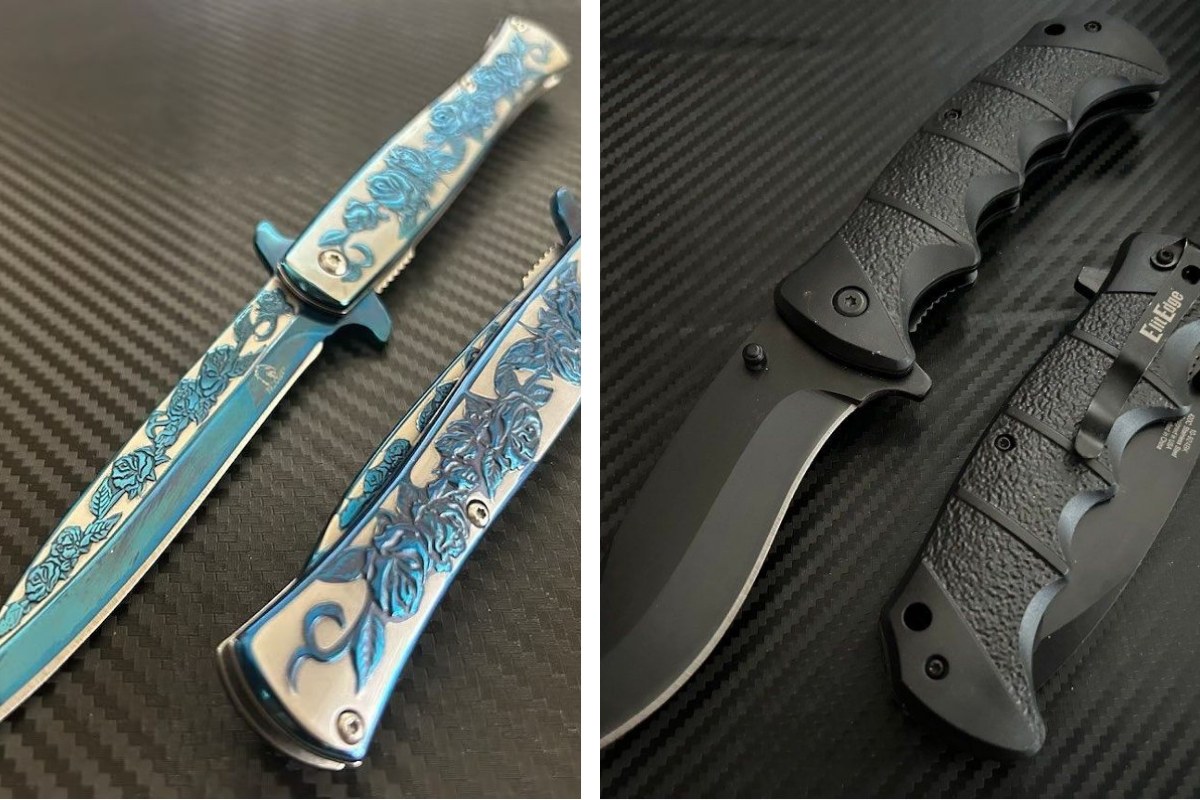
Hawaii’s knife laws underwent a major shift in 2024 with Act 21 (HB2342), legalizing ownership of switchblades and butterfly knives after decades of bans, but concealed carry restrictions remain strict for many types.
Recent Changes from Act 21
Signed May 13, 2024, Act 21 repealed prohibitions on possessing switchblades (HRS §134-52), butterfly knives (HRS §134-53), and gravity knives, responding to federal court challenges like Teter v. Lopez under the Second Amendment.
These knives are now legal to own, sell, and transport, but the law shifted focus to carry methods. “Knowingly” concealing them triggers misdemeanor charges, up to one year confinement.
Legal Pocket Knives
Standard single-edged folding pocket knives face no ownership or carry restrictions—open or concealed, any blade length. Bowie knives, machetes, and utility blades are also fine for everyday use or outdoors.
No statewide blade length limits apply to legal types; legality hinges on design and carry. Assisted-opening folders (non-automatic) are unrestricted.
Restricted Knives and Carry
Switchblades, butterfly (balisong), and gravity knives: Legal to own and openly carry (visible sheath), but concealed carry—in pocket, bag, glovebox, or under clothing—is prohibited.
Dirks, daggers (stabbing weapons per State v. Giltner), and knuckle knives: Ownership allowed at home, but carrying (open or concealed) or having in vehicles is illegal under HRS §134-51.
Open vs. Concealed Carry
Open carry: Most knives, including newly legal autos and balisongs, permitted if visibly sheathed or clipped. Standard folders need no sheath.
Concealed carry: Legal for standard pocket knives; banned for autos, balisongs, gravity knives, and deadly weapons. “Concealed” includes any hidden spot on person or vehicle.
Prohibited Locations
Zero tolerance on school grounds (HRS §302A-1134.6)—any knife risks expulsion or arrest. Government buildings, airports, and posted private property ban blades.
No statewide preemption; check local ordinances (e.g., Honolulu may add rules).
Penalties and Intent
Misdemeanor for concealed restricted knives: Up to 1 year jail, fines. Using or possessing during any crime escalates to Class C felony.
Intent matters: Tools for fishing/hiking are defensible; weapon-like carry in urban areas invites scrutiny. Courts assess context (State v. Ogata).
Practical Advice
Tourists/residents: Stick to standard folders for hassle-free carry. Transport autos openly if needed; store collectibles at home. Verify via ALEA or attorney—federal Switchblade Act may affect imports.
For outdoors: Match knife to activity (e.g., dive knife in gear). Interact calmly with police; disclose if asked.
Hawaii’s landscape balances post-2024 freedoms with safety—own boldly, carry wisely
Sources:
- (https://www.couteaux-morta.com/en/hawaii-knife-laws/)
- (https://www.akti.org/state-knife-laws/hawaii/)
- (https://mywaynecountynow.com/understanding-the-legal-landscape-of-pocket-knives-in-hawaii/)