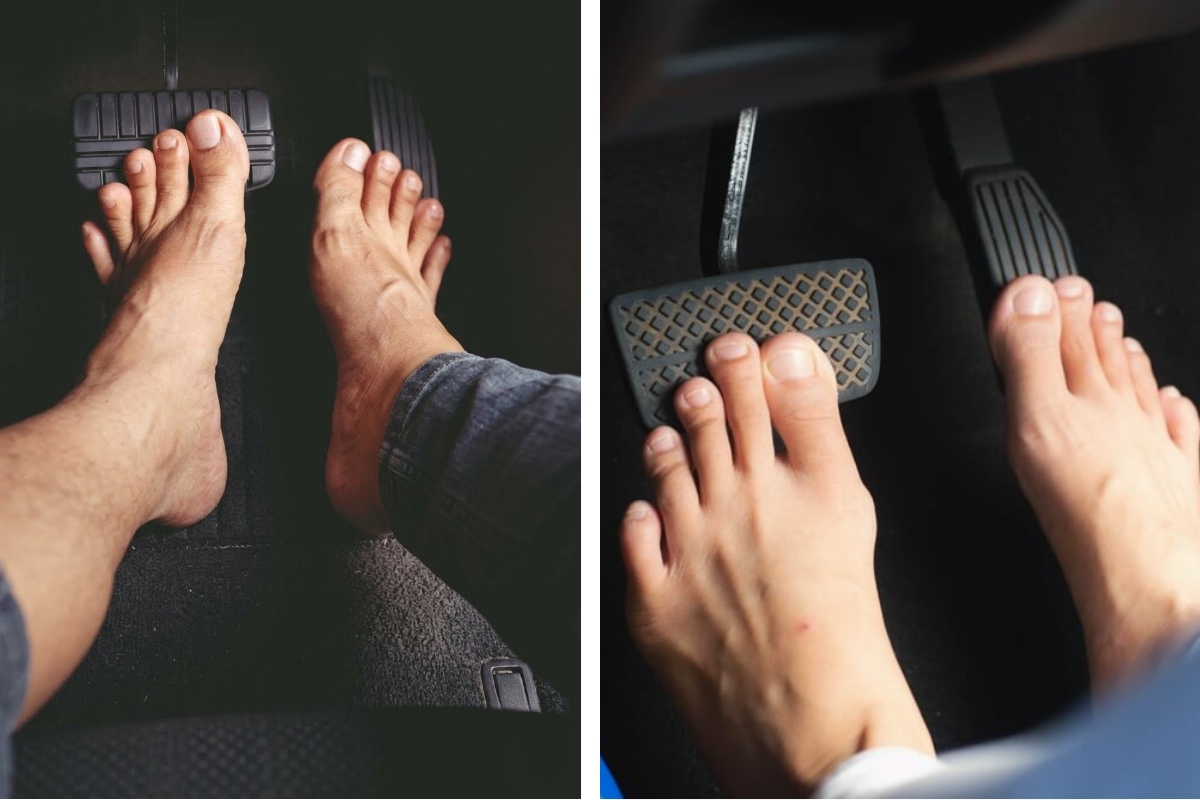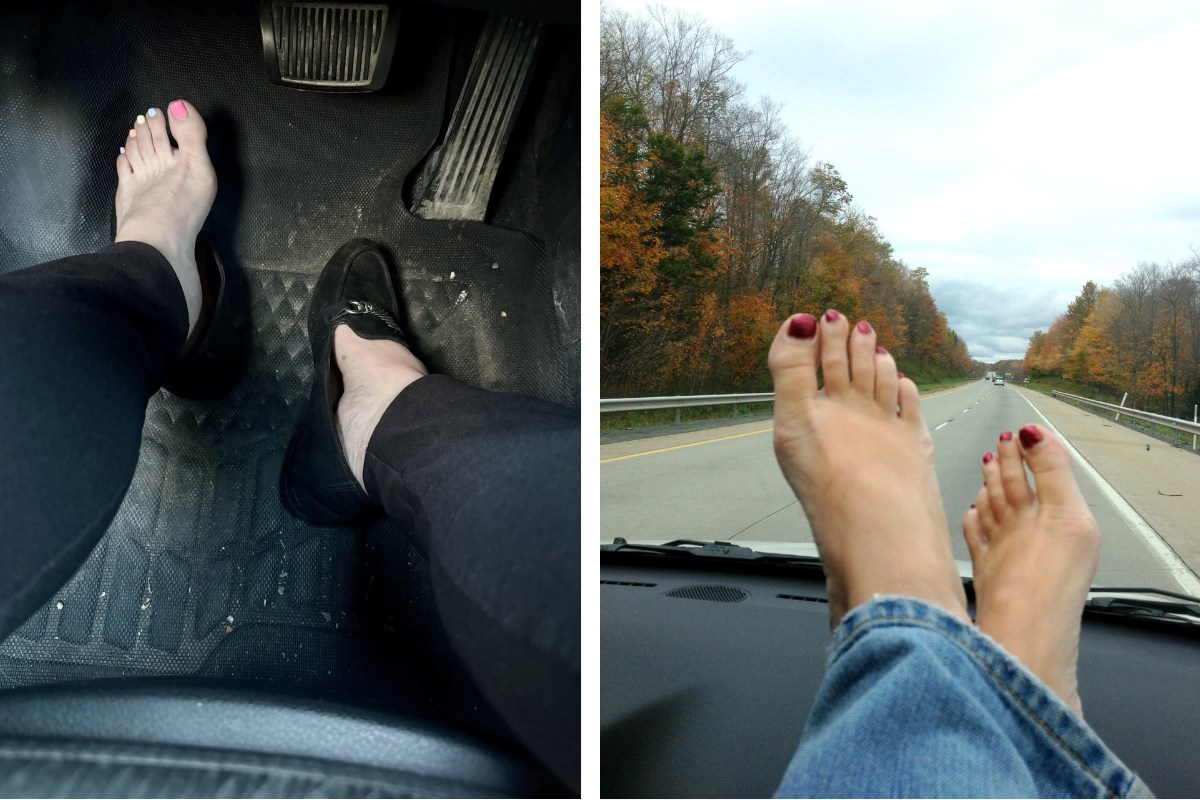
Driving barefoot is not illegal in Kansas, as no state statute explicitly requires footwear while operating a vehicle.
Kansas Traffic Code Overview
Kansas Statutes Annotated (K.S.A.) Chapter 8 governs traffic rules, including safe vehicle operation under K.S.A. 8-1522, which prohibits reckless driving but makes no mention of shoes or barefoot operation. Legal experts confirm no specific ban exists, aligning with the majority of U.S. states where personal footwear choice falls outside regulated conduct.
Local ordinances in cities like Wichita or Topeka also lack prohibitions; myths persist from outdated urban legends or misread safety advisories.
Why the Misconception Exists
The barefoot driving myth stems from 1990s DMV surveys and viral lists claiming restrictions in various states, but Kansas officials have repeatedly clarified it’s a non-issue. No citations have succeeded solely on barefoot grounds, per traffic attorneys; courts view it as protected personal liberty absent impairment.
Safety campaigns occasionally highlight shoe benefits without legal mandates. Alabama mandates shoes for motorcycles only nationwide—Kansas cars remain unrestricted.
Potential Risks and Liabilities
While legal, barefoot driving carries practical hazards. Slippery pedals from sweaty feet reduce control during braking or acceleration; sudden stops risk pedal slips or injuries from glass/debris. In crashes, insurers or officers may argue negligence under “failure to maintain control,” impacting fault percentages.
If involved in an accident, barefoot status could feature in reconstructions: “Did lack of traction contribute?” This elevates civil liability risks, even without criminal charges. Officers might note it in reports, prolonging stops for “reasonable suspicion” checks.
What Happens If Pulled Over
Expect questions if spotted barefoot—officers prioritize safety. A polite explanation (“Forgot shoes at home”) usually suffices; no ticket follows absent other violations like speeding. Refusal to cover up isn’t grounds for arrest; First Amendment doesn’t apply, but no law compels shoes.
Carry spares in summer heat; rural Kansas highways demand quick maneuvers where grip matters. Fines for related infractions (e.g., $150 reckless driving) apply, not footwear itself.
Safety Recommendations
Opt for shoes: closed-toe sneakers provide pedal grip and crash protection. Flip-flops pose similar slip risks—banned implicitly via safety standards in some contexts. Test pedals pre-drive; adjust seats for firm foot placement.
Parents: Supervise teen drivers barefoot, as inexperience compounds issues. Commercial drivers (CDLs): Company policies often require boots, overriding state law.
Comparisons to Other States
Kansas joins 49 states permitting barefoot car driving (Alabama motorcycles excepted). Arkansas treats it as a crash factor; Texas emphasizes caution. No state mandates shoes universally, prioritizing “due care” clauses.
Federally, NHTSA advises footwear for control but imposes no rules.
Practical Driver Advice
Keep vehicle tidy—debris under pedals endangers bare feet. Hot summers? ACU sandals beat nothing. If cited erroneously (rare), contest via ticket dismissal; dashcams deter escalations.
Legal? Yes. Smart? Rarely. Kansas law trusts driver judgment—prioritize control to avoid turning freedom into fault.
In summary, Kansas drivers enjoy footwear freedom, but wisdom favors shoes for safety’s sake. Stay shod, stay safe—no law broken, risks minimized.
Sources:
- (https://www.thezebra.com/resources/driving/driving-barefoot/)
- (https://www.facebook.com/kckpubliclibrary/posts/did-you-know-that-its-illegal-to-drive-barefoot-or-that-when-stopped-by-the-poli/1071882778311630/)
- (https://www.usatoday.com/story/cars/tips/2025/09/01/is-it-legal-to-drive-barefoot/85931201007/)