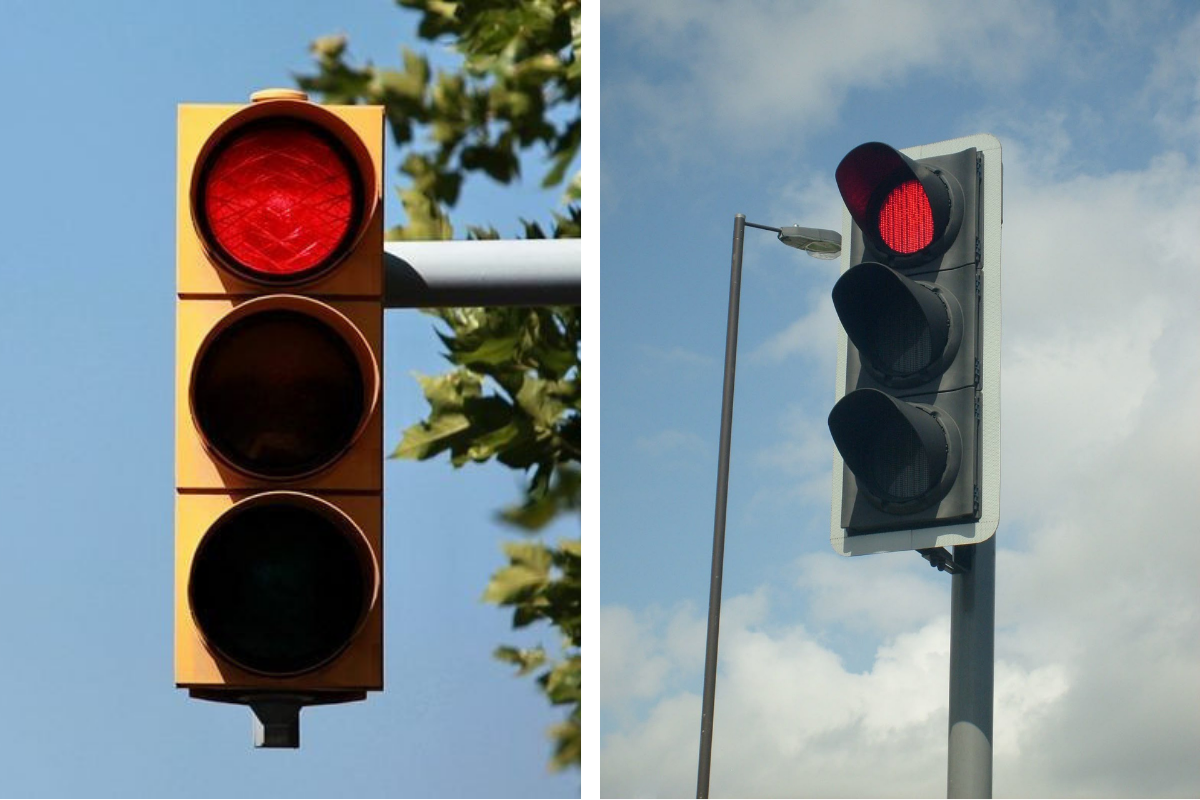
West Virginia maintains standard rules for right turns on red lights, emphasizing a full stop and yielding to traffic and pedestrians. No major new statewide rule has changed the core law in 2026, but recent enforcement pushes highlight the importance of complete stops before turning.
Core Right-on-Red Rule
West Virginia Code §17C-3-5 allows drivers facing a red light to make a cautious right turn after a full stop at the crosswalk or intersection line. You must yield to all oncoming vehicles with a green light and pedestrians in the crosswalk.
This has been the law for years, with no recent amendments altering the basic permission. Local authorities can ban it via ordinance and signs, common in busy areas or near schools.
When Turns Are Prohibited
Look for “No Turn on Red” signs—these override the general rule, requiring you to wait for green. Red right arrows also mean no turn until the arrow goes green, regardless of clear roads.
Pedestrians always have priority; never cut off someone crossing your path. Heavy traffic, poor visibility from weather, or night conditions demand waiting for green to avoid risks.
Enforcement Focus in 2026
The 2026 Target Red campaign, running April 1-15, ramps up tickets for failures at red lights and stops, including rolling stops before right turns. Officials stress full stops—no creeping—to curb crashes.
Rolling through reds counts as running the light, leading to citations even if turning right. This high-visibility effort aims to boost compliance amid rising intersection incidents.
Step-by-Step Procedure
Follow these steps precisely:
- Come to a complete stop behind the line or crosswalk.
- Check mirrors, blind spots, and scan cross traffic and the sidewalk.
- Confirm no prohibiting signs or arrows.
- Yield to all vehicles and pedestrians with right-of-way.
- Proceed slowly if safe; signal your turn per §17C-8-8.
Signal at least 100 feet before turning, even on red. Hesitate if unsure—better safe than ticketed.
Penalties for Violations
Illegal right-on-red turns draw traffic tickets, fines up to $100 for first offenses (higher for repeats), and points on your record. Insurance rates often spike, and crashes make you liable under modified comparative fault rules.
If causing injury or damage, face civil claims for medical bills and repairs. Proving fault relies on cameras, witnesses, and police reports showing ignored signs or failure to yield.
Safety Tips for Drivers
Scan farther at intersections; pedestrians and cyclists hide in blind spots. In rain or fog, default to waiting—West Virginia’s hilly roads amplify hazards. Teach passengers to stay alert for turns.
Recent data ties improper red-light behavior to serious wrecks. Defensive driving saves lives: when in doubt, don’t turn.
Changes in Related Laws
While right-on-red stays the same, note the expanded Move Over law (effective July 2025), which indirectly affects turns near hazards. Slow or change lanes for stopped vehicles with flashers, flares, or triangles—fines up to $500 and jail time apply.
No “Ride on Red” for malfunctions alters turns; treat broken reds as stop signs per §17C-3-5.
West Virginia prioritizes caution at reds to protect everyone. Master the full-stop rule, heed signs, and drive defensively—no “new rule” excuses violations amid stricter enforcement.
Sources:
- (https://www.forbeslawwv.com/2025/06/24/when-can-you-turn-right-on-a-red-light/)
- (https://www.eldiario24.com/en/older-drivers-license-extension/25097/)
- (https://secretchicago.com/new-illinois-driving-license-rule-for-seniors-2026/)