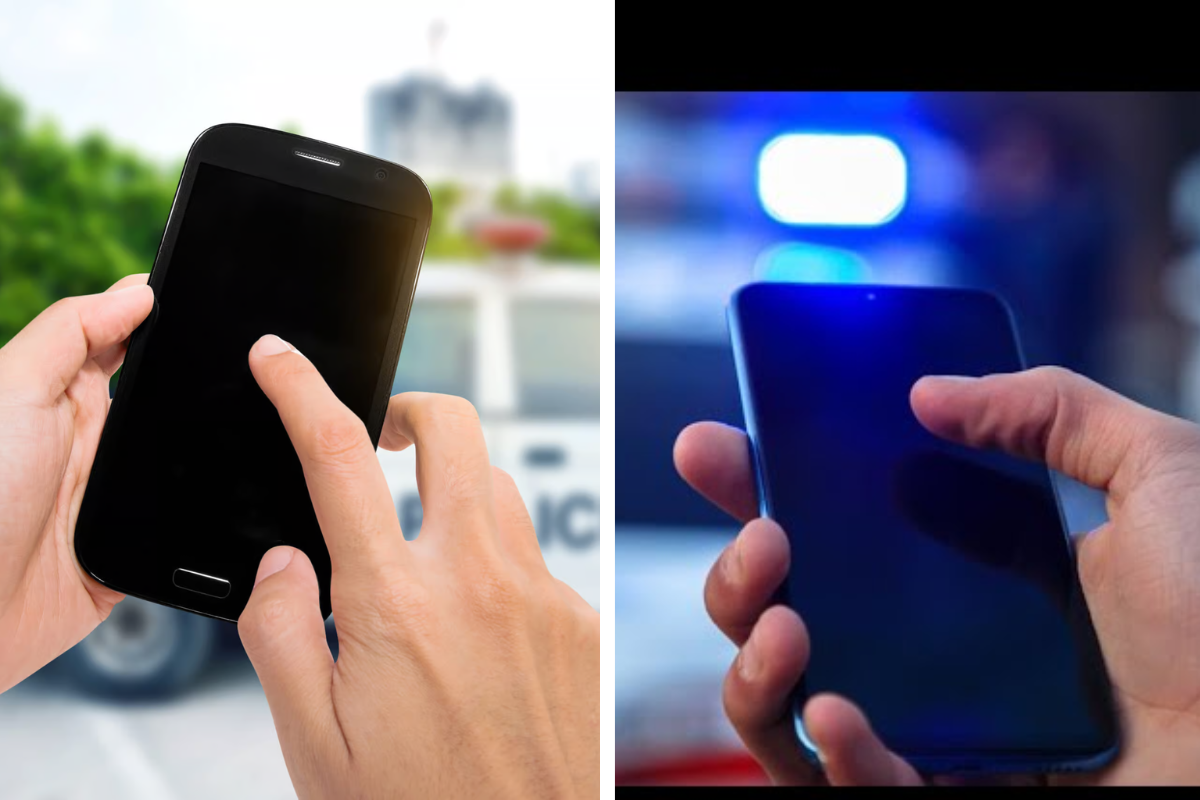
Generally, no—Nevada police usually need your consent or a warrant to search the contents of your phone during a traffic stop. A traffic stop by itself does not give officers automatic access to your texts, photos, apps, or other private data.
What Officers Can Do
During a stop, police can usually ask for your driver’s license, registration, and insurance, and they may also ask questions related to the stop. But asking to see your phone is not the same as being legally allowed to search it.
If officers want to go through your phone’s contents, the default rule is that they need a valid warrant or your voluntary consent. If you refuse consent, that does not automatically mean you are doing anything wrong.
Phone Searches vs. Phone Tracking
There is an important difference between searching your phone and tracking your location. A search means accessing data on the device itself, while tracking may involve location data collected from apps or other sources. Recent reporting says Nevada authorities have used data tools that can help track phones’ locations without a warrant, but that is different from opening and inspecting your phone during a stop.
That distinction matters because location surveillance and device searches are governed by different legal rules. Detailed cell-site or app-based location data can raise separate Fourth Amendment issues, and the law in that area is still evolving.
What You Should Know
If an officer asks to search your phone, you can decline consent. If they say they have a warrant, you can ask to see it before handing over the device. In a traffic-stop setting, staying calm and not arguing on the roadside is usually the safest approach.
SOURCES :
- https://news.slashdot.org/story/26/04/18/1926216/nevada-police-can-now-track-cellphones-without-a-warrant
- https://joeygilbertlaw.com/blog/your-rights-during-police-searches-in-nevada/