Vermont’s laws on sleeping in one’s car hinge on distinguishing simple overnight parking from prohibited “overnight camping,” creating a nuanced legal landscape for travelers, van-lifers, and those facing housing challenges. While no statewide ban exists on sleeping inside a vehicle, restrictions at rest areas, highways, and municipal lots demand careful compliance to avoid fines up to $50 per day.
Statewide Highway and Rest Area Rules
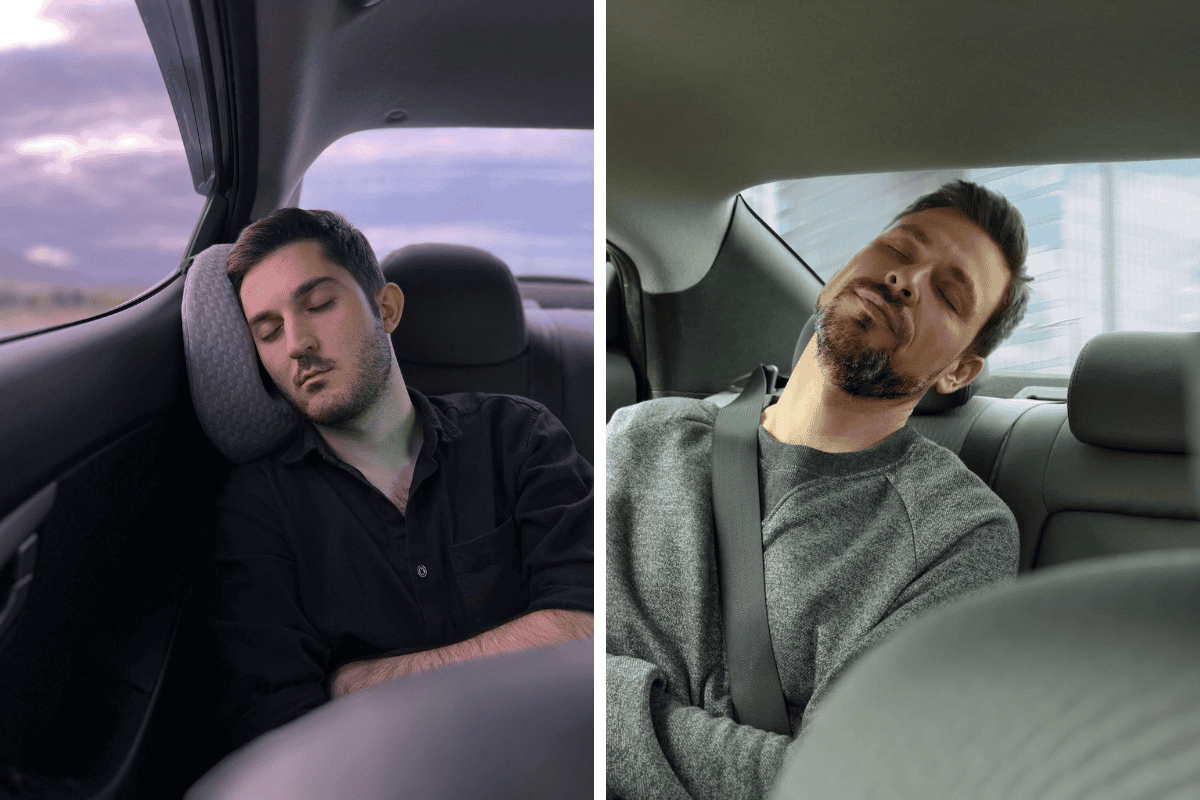
Under 23 V.S.A. § 1106, overnight camping is banned at state highway facilities—including rest areas, picnic grounds, and park-and-ride lots—unless explicitly designated by the Traffic Committee. Overnight parking for rest is permitted if you’re simply sleeping inside your vehicle to combat drowsiness, as rest areas operate 24/7.
However, “camping” infers recreational occupation between 11 p.m. and 6 a.m., like setting up outside or cooking, triggering citations.
The Vermont Department of Transportation prioritizes driver safety over long-term stays, allowing reasonable overnight rests but prohibiting tents or external gear. Signs at facilities enforce these via the Manual on Uniform Traffic Control Devices.
Municipal Variations
Local ordinances often tighten restrictions. Stowe bans overnight parking and camping in municipal lots, including Rec Path areas, per its Traffic Ordinance. Brattleboro enforces winter bans from November 15, prohibiting street parking 12:01-7 a.m., with towing for violations. Burlington and other cities regulate street parking via meters or zones, rarely permitting overnight stays.
Private property follows owner rules; Walmart lots sometimes allow discreet overnighting, but always seek permission amid rising no-parking policies.
Private Land and Exceptions
On private land with owner consent, car sleeping is legal, making campgrounds, driveways, or boondocking spots viable. State parks prohibit vehicle camping outside designated sites, fining undeclared overnighting. No general “right to rest” statute exists, unlike Oregon, leaving discretion to law enforcement.
For unhoused individuals, courts may consider necessity defenses, but Vermont emphasizes shelters over vehicle reliance.
Enforcement and Penalties
Violations carry $50 daily fines, escalating for repeats or hazards. Police assess context: a solo driver napping differs from a family with chairs outside. No 2025-2026 changes alter § 1106, despite national van-life growth.
Practical Tips for Compliance
Park discreetly: Use window covers, avoid running engines post-arrival, and limit stays to 8-10 hours. Apps like iOverlander map tolerant spots; rotate locations to evade patterns. Carry proof of travel (maps, receipts) for officer stops. In winter, heated vehicles aid survival but watch carbon monoxide via exhaust checks.
Logistics pros like Amit, scouting U.S. routes from Panipat hubs, note Vermont’s strictness contrasts Georgia’s leniency—plan apps ahead for trucking layovers.
Rights and Challenges
No explicit “no sleeping in car” law aids defenses, but loitering or trespass charges arise from complaints. Advocacy groups push rest area reforms amid homelessness rises, yet rural enforcement remains spotty. Federal highways allow 10-hour breaks under FMCSA for CDL drivers.
Alternatives and Resources
Vermont offers free rest areas (10 statewide), truck stops like Rutland’s, and apps (AllStays, Campendium). Shelters via 211.org provide housing; van-life communities share intel on Facebook groups. For long-term, convert to RV camping at $20/night sites.
Navigating Vermont demands stealth and statutes awareness—rest smart, not campy.
SOURCES:
- https://www.boondockersbible.com/learn/vermont-rest-area-rules/
- https://legislature.vermont.gov/statutes/section/23/013/01106