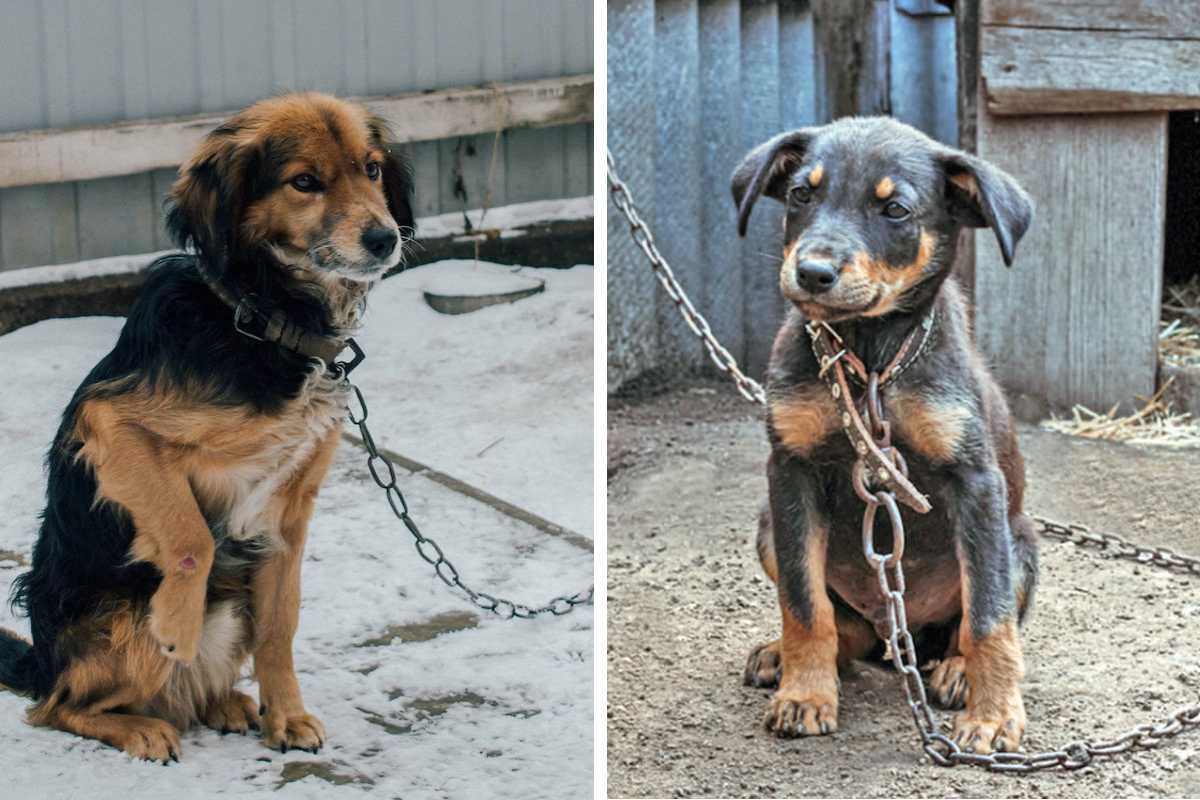
Leaving a pet chained outside in Iowa is not outright illegal under state law, but it can become unlawful if it leads to neglect by depriving the animal of food, water, shelter, or sanitary conditions.
Numerous cities enforce specific tethering ordinances limiting duration, chain length, and conditions, making constant chaining illegal locally. Pet owners must navigate both state cruelty statutes and municipal rules to avoid fines or charges.
Statewide Animal Neglect Provisions
Iowa Code Chapter 717B defines neglect as failing to supply necessities like wholesome food, potable water, shelter protecting from weather, grooming, or veterinary care when needed, endangering the pet’s life or health.
Chaining a dog unattended in extreme heat, cold, or without access to shade/water violates this, classified as a simple misdemeanor (up to $855 fine, 30 days jail) for first offenses without injury. Serious injury elevates it to aggravated misdemeanor or felony for repeats, with animal seizure possible.
City-Specific Tethering Restrictions
Local ordinances fill state gaps. Ottumwa prohibits tethers under 10 feet or over 50 feet without swivels, bans nighttime chaining (10 p.m.-6 a.m.), and forbids it in extreme weather or unsafe spots. Iowa City deems unattended tethering unlawful under certain conditions, like short chains or excessive time.
Riverside caps chaining at 5 hours per 24 hours; Waterloo requires owner property use and proper gear. These rules prevent entanglement, injury, or exposure, with violations yielding citations or impoundment.
Conditions Making Chaining Prohibited
State law bans tethering allowing street access, utility pole attachment, metal collars (except buckles), or unsafe locations risking harm. Prolonged chaining causing sores, waste accumulation, or weather exposure triggers cruelty charges, as Iowa relies on neglect statutes over dedicated tether bans. Supervised short-term use for potty breaks is generally fine, but 24/7 outdoor chaining risks prosecution.
Enforcement and Penalties
Animal control or police investigate complaints, rescuing pets in peril and billing owners for care via bonds. Fines start at hundreds of dollars locally, plus misdemeanor penalties; habitual cases lead to ownership bans. No major 2026 changes, but advocacy pushes stricter rules.
Responsible Pet Restraint Alternatives
Opt for fenced enclosures, long-line trolleys, or indoor housing over chains to comply and ensure welfare. Provide constant water, shade/shelter, and check Iowa winters (below 32°F) or summers (above 90°F). Verify local codes via city websites; report neglect anonymously to prevent escalation.
SOURCES:
- https://www.facebook.com/groups/lostpetsofcr/posts/2212904135509786/
- https://www.animallaw.info/topic/table-state-dog-tether-laws