Oklahoma drivers can still legally make right turns at red lights after a complete stop, with no statewide ban enacted as of May 2026. Recent discussions and local safety pushes have heightened awareness, but the core statute remains unchanged, emphasizing caution for pedestrians and cross-traffic.
Current Legal Framework
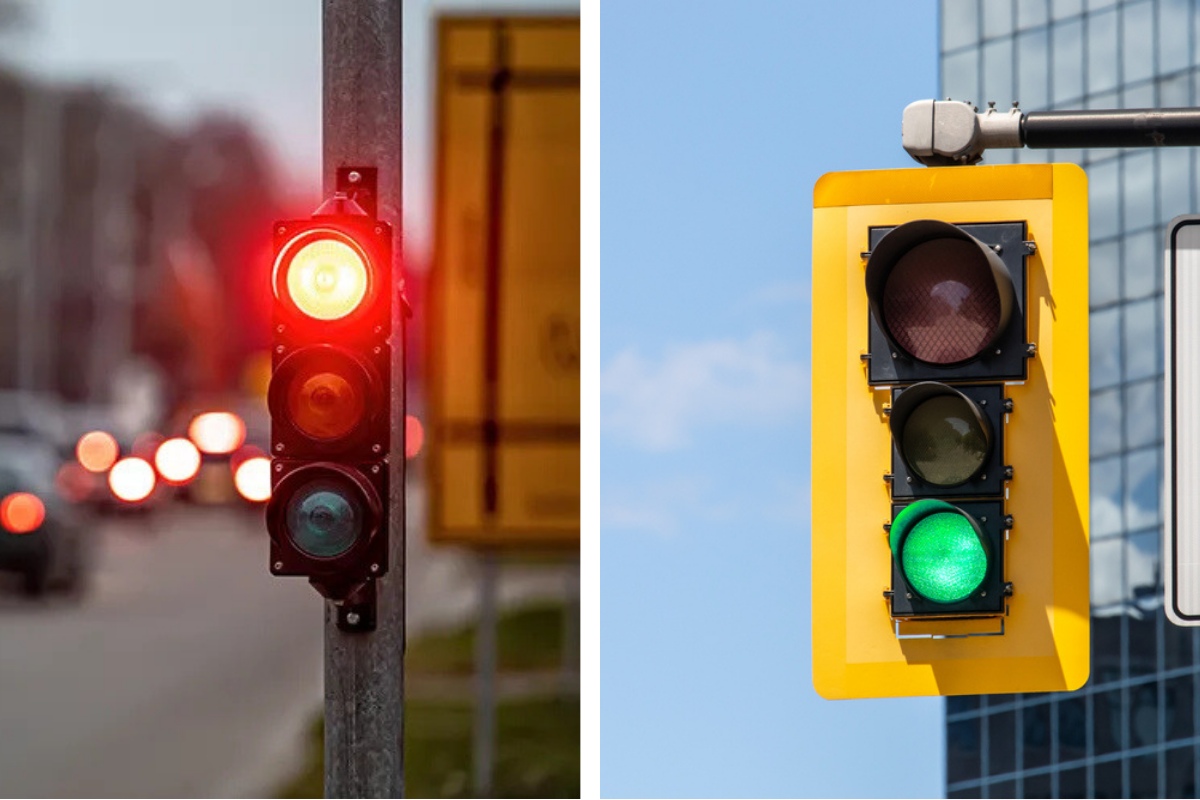
Oklahoma Statute Title 47, Section 11-202 governs traffic signals, allowing right turns on steady red after stopping at the marked line or crosswalk. Drivers must yield to pedestrians in adjacent crosswalks and any oncoming traffic lawfully using the intersection.
A complete stop is mandatory—rolling stops count as violations. Municipalities can prohibit turns with clear signs designed by the Oklahoma Department of Transportation; without signage, the turn is permitted statewide.
Left turns from one-way streets onto one-way streets follow the same rules. This setup balances traffic flow with safety, a standard since the 1970s energy conservation push.
Step-by-Step Procedure
Approach the red light and come to a full stop behind the stop line, crosswalk, or intersection if unmarked.
Scan right for pedestrians, cyclists in bike lanes, and cross-traffic from the left; yield until clear.
If safe, proceed with the turn at a prudent speed, signaling appropriately. Double-check for late pedestrians or vehicles—better safe than cited.
In multi-lane right turns, both lanes can proceed unless signed otherwise. Watch for “No Turn on Red” signs, common near schools or high-pedestrian zones.
Penalties for Violations
Failing to stop fully or yield triggers a misdemeanor ticket, typically $325 fine plus court costs and three demerit points on your license. Accumulating points risks suspension.
Running the maneuver unsafely causing an accident escalates to reckless driving charges, with higher fines up to $1,000 and potential jail time. Insurance rates spike post-ticket.
Enforcement is moderate via traffic cams or patrols, often during routine stops. Dashcam footage aids defenses in disputes.
Safety Concerns and Local Debates
Advocates for bans cite studies showing 7,500+ annual U.S. pedestrian strikes during right-on-red turns, pushing for restrictions in busy areas. Oklahoma has seen city-level talks but no 2025-2026 laws changing the default.
Critics note low fatality rates—one pedestrian death every two years in similar California data—arguing proper yielding suffices. Enhanced signage and education are preferred over outright bans.
Vision zero initiatives highlight intersections as hotspots; drivers over 65 face extra scrutiny during license renewals tied to traffic safety.[ from prior]
Exceptions and Special Cases
Prohibited where posted: school zones, construction areas, or one-ways with signs. Motorcyclists get sensor malfunction exceptions but must still stop.
Emergency vehicles or funeral processions override but yield to hazards. At malfunctioning lights, treat as four-way stop.
Out-of-state visitors follow Oklahoma rules; rental agreements often remind of local signage.
Tips for Compliant Driving
Anticipate turns early, reduce speed approaching reds. Use mirrors and neck-turns over blind reliance on tech.
Pedestrian priority is absolute—wait for full clearance. In rain or low light, err conservative to avoid hydroplaning turns.
Stay updated via Oklahoma DPS or apps like Waze for real-time signage alerts. Practice in low-traffic areas if new to the state.
These rules promote efficiency without chaos, but vigilance saves lives. Drive defensively, and right-on-red remains a safe option.
Sources:
- (https://law.justia.com/codes/oklahoma/title-47/section-47-11-202/)
- (https://allowedhere.com/legality/right-turn-on-red/oklahoma/)
- (https://gowensinjurylaw.com/the-end-of-right-turns-at-red-lights-2/)