Dash cams offer valuable evidence for accidents and disputes but must comply with Alabama’s strict vehicle obstruction and privacy rules. Mounting on windshields is prohibited, while dashboard placement is generally allowed if unobstructed.
Legality of Dash Cams
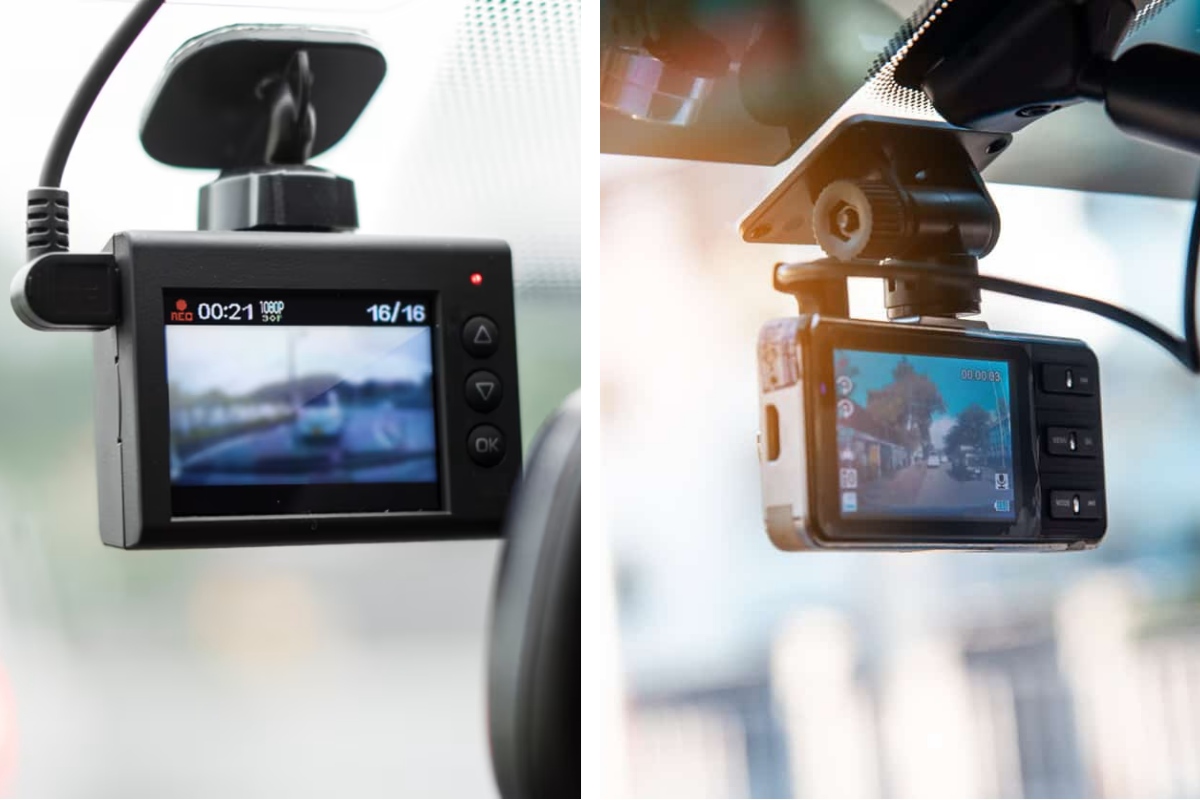
Dash cameras are legal in Alabama for recording road events, providing irrefutable proof in crashes or stops. Alabama Code §32-5-215 bans any sign, poster, or nontransparent material on the front windshield, sidewings, or windows obstructing the driver’s highway view. Suction-cup mounts on windshields violate this, risking tickets, but dashboard or rearview mirror positions behind the AS-1 line work if views remain clear.
Motorcycle helmet cams face no such restrictions.
Mounting Guidelines
Place dash cams low on the dashboard to avoid blocking sightlines—officer or judge discretion applies. No size limits exist, but tiny, unobtrusive models minimize issues. Commercial fleets follow the same rules, ensuring no impairment. Improper setup leads to citations; relocate rather than remove during stops.
Audio and Video Recording Rules
Alabama is a one-party consent state: audio recording is legal with the driver’s consent, even unaware passengers. Video in public roads is fine, but private property (driveways, lots) requires permission to avoid trespass violations. Disable audio if privacy concerns arise, especially lending the vehicle.
Police Access to Footage
Officers can’t seize dash cams casually but subpoena footage for crimes or accidents. Comply or face contempt charges; destruction post-order risks fines or jail. Routine tickets don’t justify confiscation.
Use in Court and Insurance
Alabama courts admit dash cam footage as evidence in civil (accidents) or criminal cases, proving fault, negligence, or scams. Insurers use it for claims, potentially lowering premiums for safe drivers. Preserve originals; timestamps aid authenticity.
Benefits and Recommendations
Dash cams deter road rage, document police interactions, and protect against fraud. Invest in loop-recording models with G-sensors. Inform passengers of recording for ethics. Check local ordinances, as cities may add rules.
Prioritize safety—legal setup maximizes protection without violations.
Sources
- (https://www.salterferguson.com/alabama-dash-cam-laws/)
- (https://www.expertmarket.com/dash-cams/dash-cam-laws-by-state)
- (https://www.ddpai.com/blog/dash-cam-laws/)