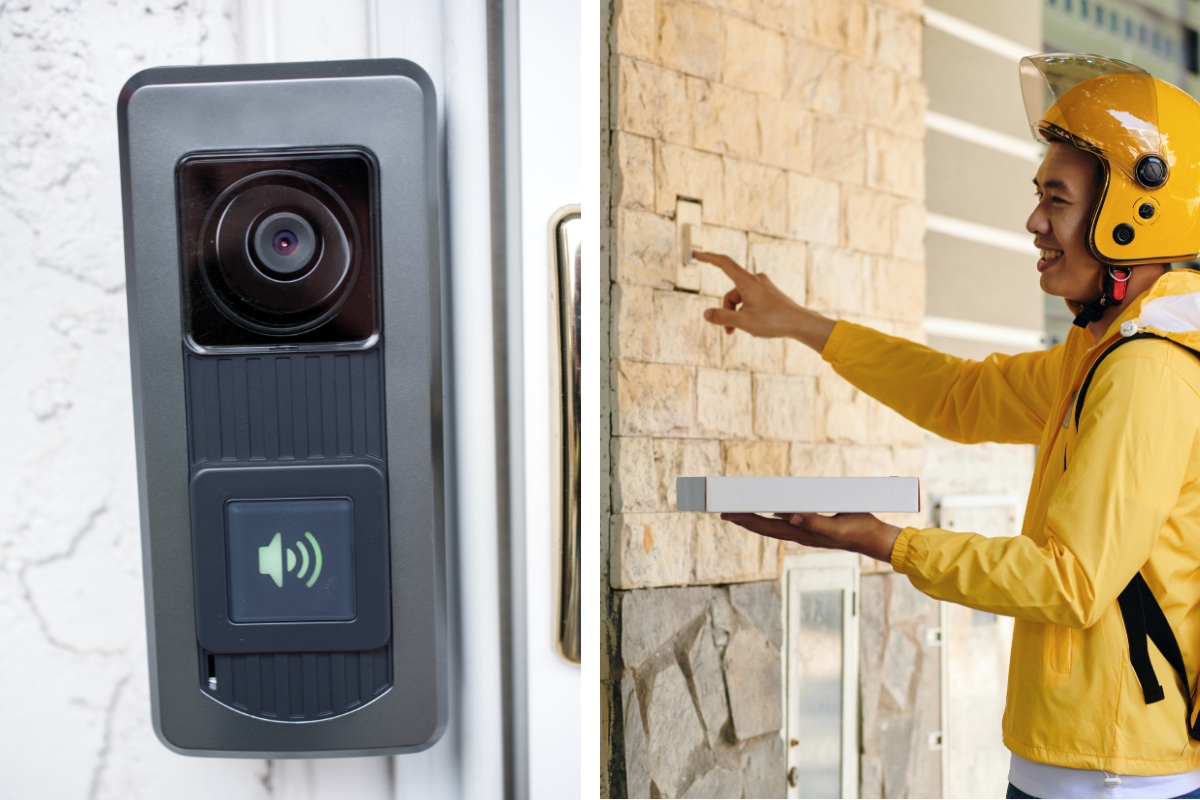
Ding dong ditching, the prank where someone rings a doorbell and runs away, seems harmless but can lead to legal trouble in Wisconsin. While no specific state law bans it outright, related statutes and local enforcement make it risky, especially for repeat offenders or minors.
What Is Ding Dong Ditching?
This classic prank involves approaching a home, activating the doorbell or knocking, and fleeing before the resident answers. Popular among kids and teens, it often stems from social media challenges like the “door-knock challenge” on TikTok, where participants bang loudly late at night. In Wisconsin neighborhoods, it has prompted police responses due to fears of break-ins or disturbances.
Relevant Wisconsin Laws
Wisconsin Statute 947.01 defines disorderly conduct as engaging in “violent, abusive, indecent, profane, boisterous, unreasonably loud or otherwise disorderly conduct” that tends to cause or provoke a disturbance, a Class B misdemeanor. Ringing doorbells repeatedly or boisterously fits this if it annoys residents or escalates tensions.
Criminal trespass to dwellings under Wis. Stat. 943.14 applies if someone intentionally enters or remains in a home without consent under circumstances provoking a breach of peace, though simply approaching a front door (implied public access) rarely triggers it alone.
If property damage occurs, like to a doorbell, Wis. Stat. 943.01 charges intentional damage as a Class A misdemeanor, with up to nine months in jail and $10,000 fines.
Harassment laws (Wis. Stat. 947.013) cover patterns of intimidating acts without legitimate purpose, potentially applying to repeated pranks.
Real Cases in Wisconsin
In Franklin, near Milwaukee, police fined ding dong ditchers $376 for disorderly conduct. Cudahy saw four 15-year-olds arrested after a homeowner mistook them for burglars. Green Bay issued municipal citations to juvenile males for neighborhood disturbances from the prank.
These incidents show enforcement varies by location and reaction, with police warning of safety risks like chases or misunderstandings.
Potential Penalties
Disorderly conduct carries up to 90 days in jail, $1,000 fines, or both as a Class B misdemeanor. Minors often get citations or parental warnings first, but repeats lead to arrests. Trespass or damage escalates penalties: misdemeanors up to one year jail, felonies for severe cases up to 3.5 years.
Local ordinances amplify fines, as in Franklin’s $376 example. Juveniles face juvenile court, but consequences include records affecting future opportunities.
Why Police Discourage It
Law enforcement highlights dangers: homeowners arming themselves, pranksters injuring during flights, or escalations to violence. Trends like late-night door-banging increase 911 calls, straining resources and heightening fears in quiet areas.
Advice to Avoid Trouble
Skip the prank—opt for safer fun. If caught, comply with police, explain calmly, and consult a lawyer. Parents should educate kids on boundaries. Wisconsin authorities urge awareness: what starts as a joke can end in court.
Sources
- (https://nrgmediadixon.com/2025/03/07/is-it-illegal-to-ding-dong-ditch-in-wisconsin-heres-what-the-law-says/)
- (https://www.nbc26.com/news/local-news/green-bay-police-cite-several-boys-for-ding-dong-ditching)
- (https://docs.legis.wisconsin.gov/statutes/statutes/947/01)