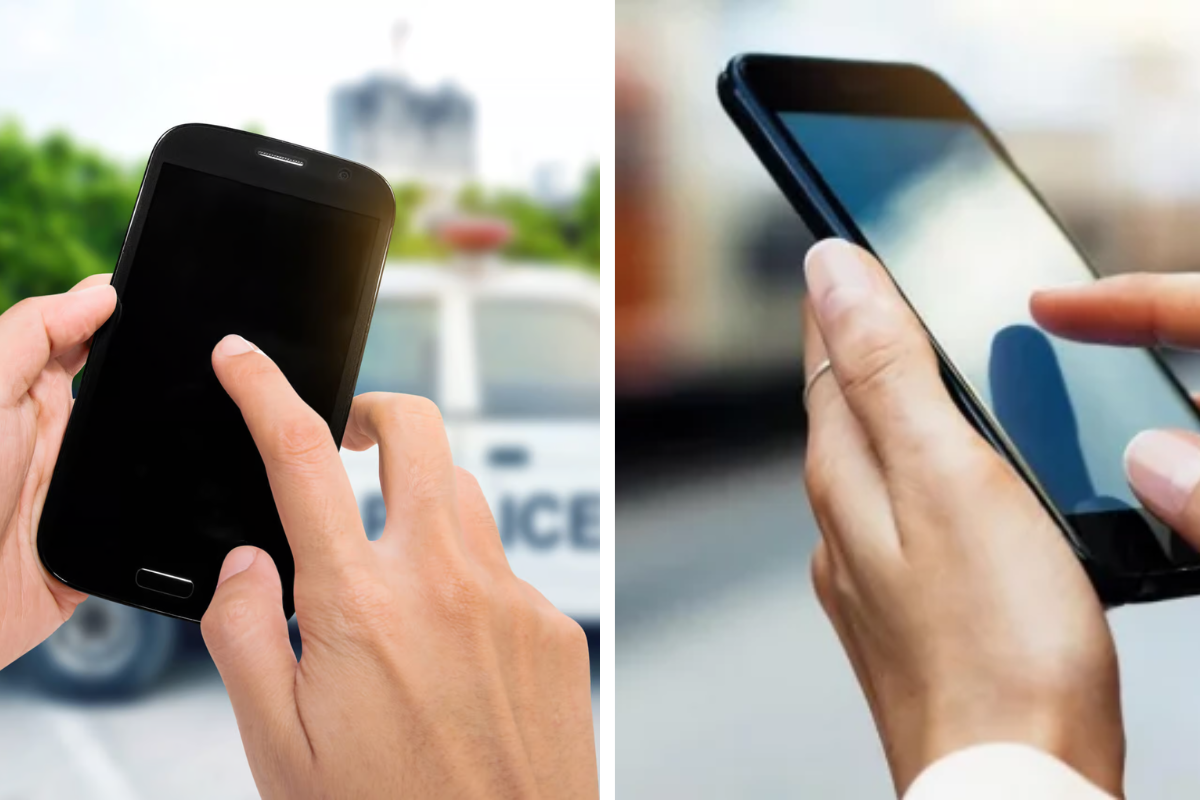
In Hawaii, police generally cannot search the contents of your phone during a routine traffic stop unless you give consent, they have a warrant, or a narrow legal exception applies. Courts in Hawaii follow federal Fourth Amendment rules, which treat cell phones as highly private and require a warrant for most digital‑contents searches.
When Police Can Search Your Phone
- With your consent
If you voluntarily hand over your phone, unlock it, or say it’s “okay to look,” you are consenting to the search, and officers do not need a warrant. You can always refuse and say, “I do not consent,” but keep your hands visible and remain calm. - If there is a warrant
Police must obtain a warrant from a judge, showing probable cause that the phone contains evidence of a crime. If an officer says they are going to search your phone without a warrant and you object, you can ask to see the warrant before the search proceeds. - Exigent circumstances
In rare, urgent situations—such as an immediate threat to public safety or strong evidence you are about to destroy data—police may search your phone without a warrant, but that exception is narrow and must be justified in court. - If you are arrested
Even if you are arrested during a traffic stop (for example, an outstanding warrant or DUI), Hawaii law and U.S. Supreme Court precedent still require a warrant to search the contents of your phone, unless you consent. Police may seize the device to secure it, but a full data search normally needs a warrant.
What Happens During a Routine Traffic Stop
During a normal traffic stop, officers can ask to see your license, registration, and insurance, and may ask to look at your phone’s screen if they suspect illegal use (such as texting‑while‑driving), but they cannot scroll through your messages, photos, or apps unless you consent or they have a warrant.
If an officer asks to search your phone, you have the right to:
- Politely refuse consent.
- Ask if you are free to leave.
- Ask to see a warrant before allowing any search of its contents.
In short, Hawaii police cannot routinely search your phone during a traffic stop; they must usually have your consent or a warrant, and any warrantless search must fall under a clearly defined exception that courts can later review.
SOURCES :
- https://www.dmtlaw.com/blog/can-police-search-your-phone-during-a-traffic-stop/
- https://808lawhelp.com/blog/your-rights-when-stopped-by-police-in-hawaii/