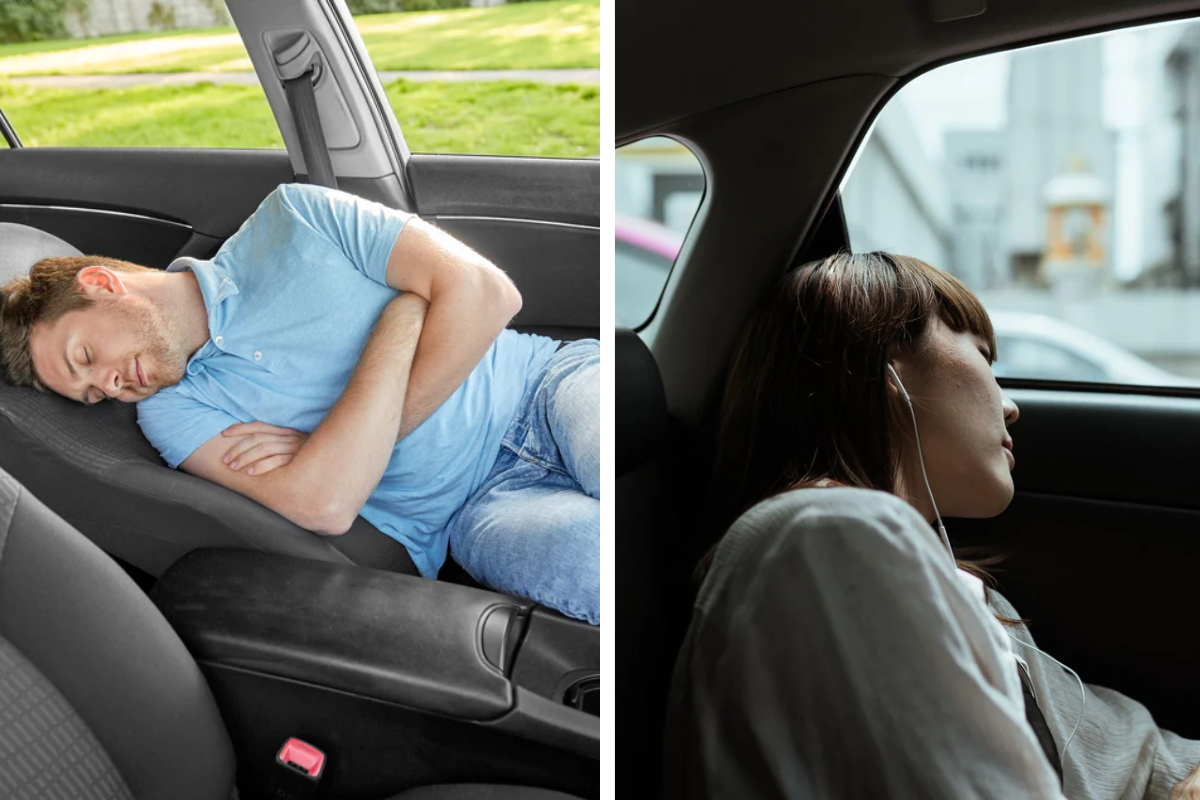
Sleeping in your car in Nevada is generally legal, but it comes with important restrictions tied to where you park, local ordinances, and whether you are intoxicated.
There is no statewide statute that outright bans car sleeping, so the legality mostly turns on location, intent, and impairment.
State‑Level Rules: No Blanket Ban
Nevada does not criminalize sleeping in a vehicle simply because someone is too tired or wants to rest. Many drivers and legal‑information sites note that car sleeping is allowed in many contexts, including at official rest areas and on certain public lands, as long as the vehicle is parked safely and not blocking traffic.
However, Nevada’s DUI laws mean that being unconscious in a parked car while impaired can still lead to a “sleeping DUI” charge if prosecutors show you were in “actual physical control” of the vehicle.
That can include having the keys in the ignition, being in the driver’s seat, or having parked in a way that suggests you drove there while intoxicated.
Local Laws and Overnight‑Parking Ordinances
While Nevada does not ban car sleeping statewide, many cities and counties have their own rules against overnight parking or “vehicle habitation” in public areas. For example, some municipalities treat sleeping in a vehicle on public property as a misdemeanor or include it in broader anti‑camping or loitering ordinances.
If you park overnight in a city lot, street, or other public space, you must check local signs and codes; “no overnight parking,” “no camping,” or “no loitering in vehicles” language can be enforced against someone sleeping in their car. Violations can lead to fines, towing, or even misdemeanor charges depending on the jurisdiction.
Public Lands, Rest Areas, and Private Property
Nevada explicitly allows car sleeping at official rest stops for limited periods, often up to about 18–24 hours, to encourage rest and prevent drowsy driving.
On public lands managed by agencies like the Bureau of Land Management (BLM), car sleeping is usually permitted as long as you follow posted rules and do not camp in sensitive or restricted areas.
On private property—such as casino lots, shopping‑center parking, or hotel lots—sleeping in a vehicle is only allowed if the property owner or manager permits it; “no overnight parking” signs or posted rules override any general right to snooze. Staying without permission can lead to trespass, towing, or citation.
Practical Tips for Staying Legal
To stay on the safe side in Nevada:
- Avoid sleeping in the driver’s seat with the keys in the ignition if you have been drinking or using drugs.
- Choose rest areas or BLM‑designated spots for overnight rests when possible, and respect time limits.
- Check local ordinances before parking overnight in cities and obey “no overnight parking” or “no camping” signs.
In short, car sleeping is not illegal per se in Nevada, but local rules, parking‑restriction signs, and the risk of DUI when impaired mean you should pick your spot and situation carefully.
SOURCES :
- https://allowedhere.com/legality/sleeping-in-car/nevada/
- https://transcriptmag.com/the-legality-of-car-sleeping-in-nevada-what-you-need-to-know/