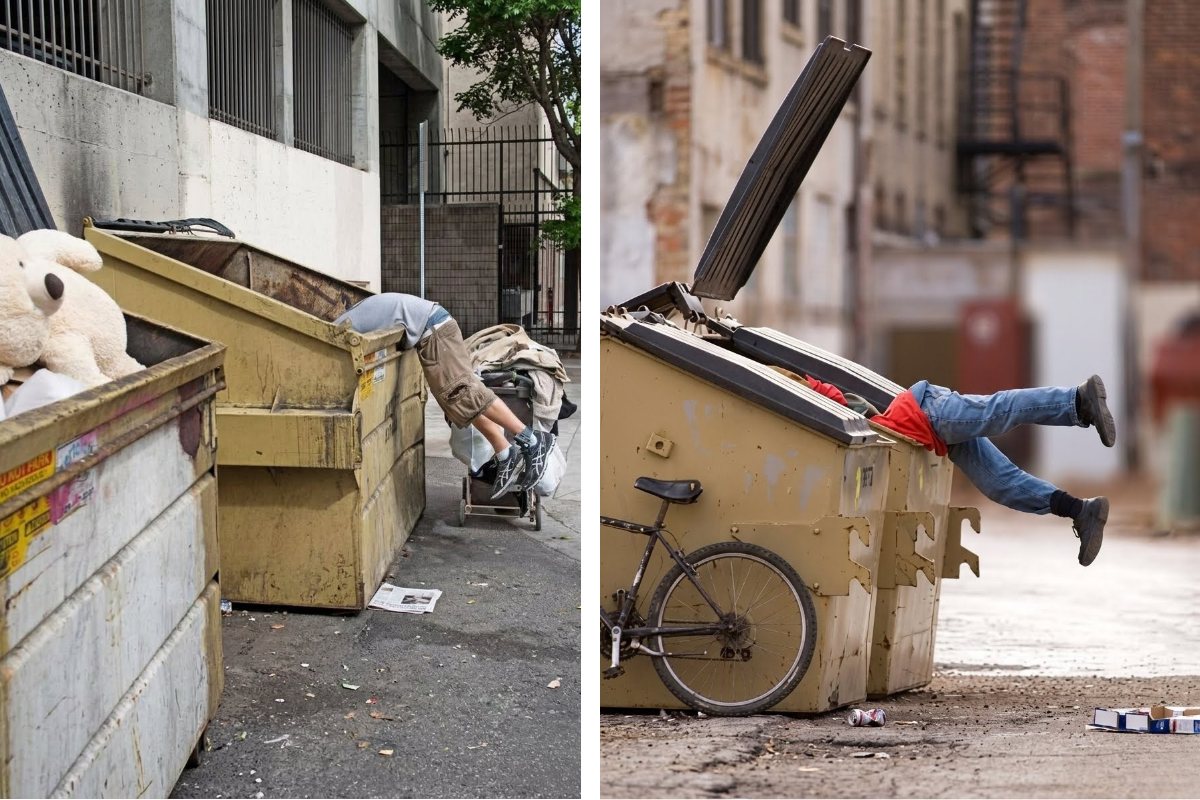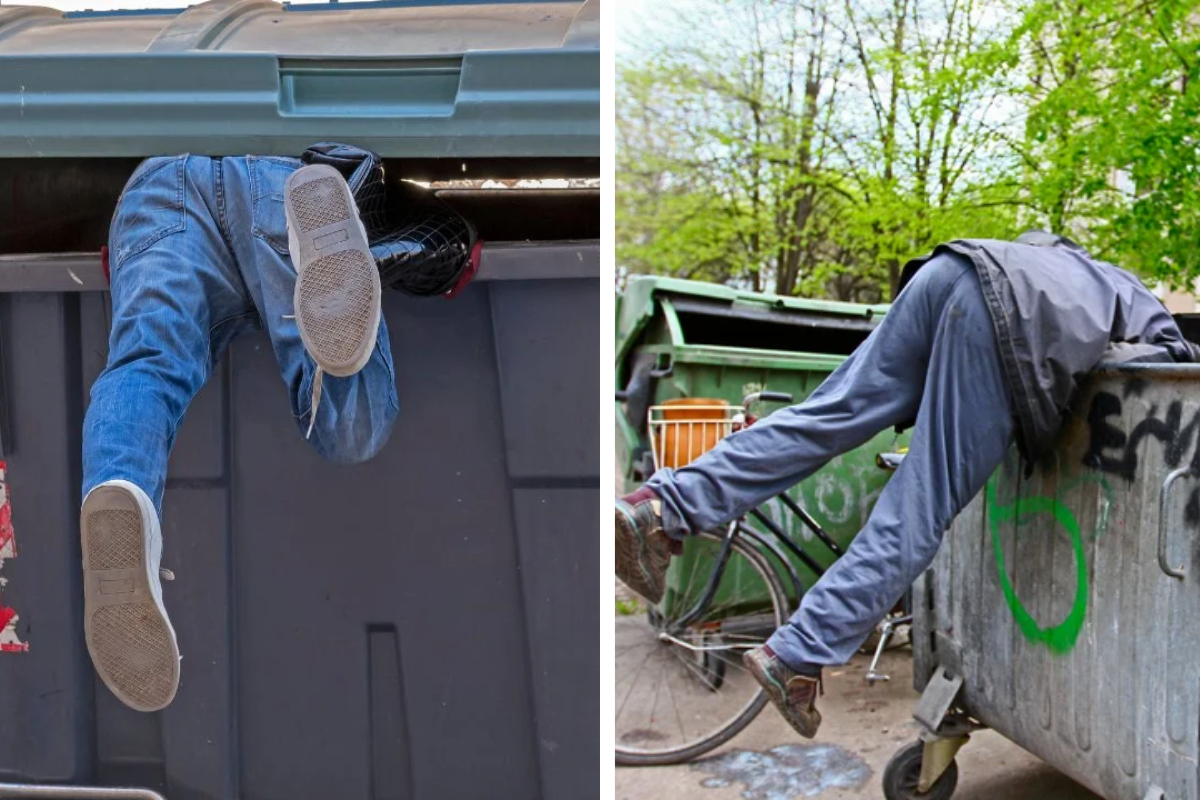
Dumpster diving is not explicitly illegal in Hawaii, but the practice exists in a legal gray area where it is heavily constrained by trespassing laws and local ordinances.
While federal precedent suggests that items discarded in public may lose their expectation of privacy, you must navigate local rules and property rights to avoid prosecution.
Trespassing and Property Rights
The most significant legal hurdle for dumpster divers in Hawaii is trespassing. Because almost all businesses and residential dumpsters are located on private property, accessing them without the owner’s explicit permission can lead to criminal trespassing charges.
Hawaii’s trespassing statutes are strictly enforced; entering premises that are fenced, gated, or marked with “no trespassing” signs is a violation that can result in court appearances and fines.
Local Ordinances and Health Regulations
Beyond state trespassing laws, individual municipalities may have their own ordinances that regulate waste retrieval. In cities like Honolulu, local rules regarding public order, cleanliness, and waste management may prohibit scavenging in certain commercial or public areas.
Authorities may also categorize dumpster diving as a public nuisance or a health risk, particularly if the activity involves disturbing bins that contain hazardous waste or rotting food.
To engage in dumpster diving with minimal legal risk, consider these guidelines:
- Seek Permission: Always ask a store manager or property owner for consent before accessing a dumpster on their premises.
- Prioritize Public Areas: If possible, search dumpsters that have been moved to public curbsides for collection, as the contents are often viewed as abandoned property.
- Respect Signage: Avoid any property with clear “no trespassing” signs or restricted access, as ignoring these warnings is a primary cause of legal conflict.
- Check Local Rules: Research the specific ordinances of the county or city where you are located, as local enforcement priorities vary.
Ultimately, while the act of searching through trash is not a crime in itself, the manner in which you do it is critical. Respecting private property and adhering to local waste management policies are essential to ensuring your activities remain within the bounds of the law.
SOURCES :
- https://huroninsider.com/is-it-illegal-to-dumpster-dive-in-hawaii-heres-what-the-law-says/
- https://travelwiththegreens.com/is-dumpster-diving-legal-in-hawaii.html