Arkansas is one of the more permissive states for knife ownership and carry, but there are still important limits on where you can carry, how you use a knife, and who can legally possess one.
What knives are legal in Arkansas?
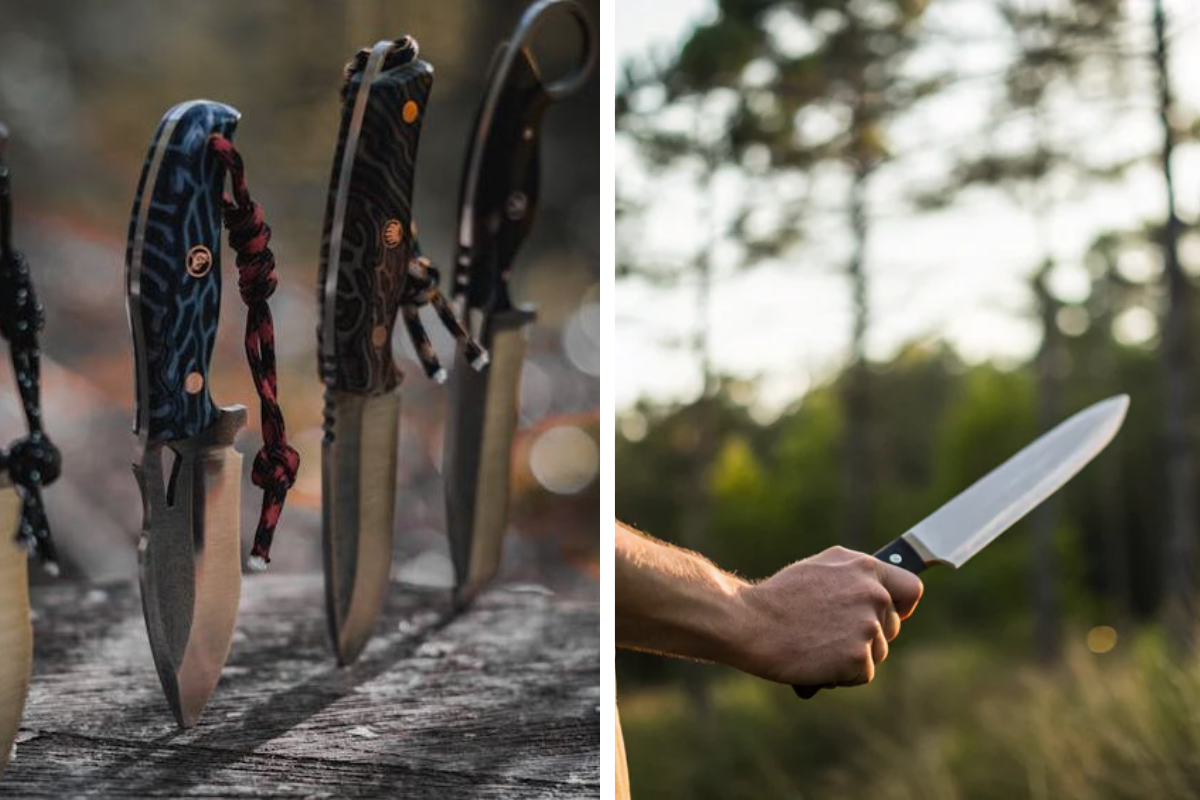
Arkansas does not broadly ban specific knife types by default. Most common knives—pocketknives, folding knives, fixed‑blades, switchblades, butterfly knives, and double‑edged blades—are generally legal to own and carry as long as they are not used unlawfully. The state’s knife‑law preemption also means that cities and counties generally cannot impose stricter ownership or carry rules than state or federal law allows.
However, unusual or clearly offensive weapons (for example, ballistic knives or certain exotic designs) may raise questions under broader weapon‑control or public‑safety statutes, so it is wise to avoid novelty weapons that have no clear lawful purpose.
Open and concealed carry rules
Arkansas law does not distinguish sharply between open and concealed knife carry; both are generally allowed for adults as long as there is no intent to use the knife unlawfully against a person. The key state statute, Ark. Code § 5‑73‑120 (“Carrying a weapon”), makes it illegal to carry a knife (3 inches or longer) with a purpose to unlawfully employ it as a weapon against another person.
In practice, this means:
- It is usually lawful to carry a concealed or openly worn knife for work, recreation, or self‑defense, as long as you do not threaten or assault anyone.
- Danger arises when context suggests unlawful intent, such as brandishing the knife during a fight or entering a restricted place with it.
There is no general statewide blade‑length limit, although § 5‑73‑120 defines a “knife” for that offense as a bladed hand instrument 3 inches or longer that can cause serious injury.
Places where knife carry is restricted
Even though Arkansas is permissive broadly, knives are barred or heavily limited in certain locations:
- Schools and school property: Carrying a knife on school grounds or at school‑related events is generally prohibited, with narrow exceptions for supervised activities or lawful authority.
- Government buildings, courthouses, and correctional facilities: Many such sites ban knives unless you are acting under official authority (for example, law enforcement, maintenance, or security staff).
- Some private property: Businesses, stadiums, or private residences can set their own rules and may prohibit knives on their premises, even if state law otherwise allows them.
Violating a posted restriction or a known “no‑knives” rule on private property can still lead to trespassing or local ordinance charges.
Self‑defense and unlawful use
Using a knife in self‑defense is legally allowed in Arkansas if the force is reasonable and proportional to the threat, and there is no intent to cause unlawful harm. At the same time, threatening someone with a knife, using it in an assault, or employing it in a crime can turn the carry into a serious felony under weapon‑use and assault statutes.
Carrying a knife just to intimidate or escalate a conflict—such as “flexing” it in a dispute—can be treated as unlawful use and may trigger criminal charges even if no one is cut.
Practical tips for Arkansas knife owners
- Carry with a lawful purpose (work, outdoor activity, or self‑defense) and avoid brandishing or threatening anyone.
- Respect “no‑knives” signs on private property and avoid restricted places like schools and certain government buildings.
- If questioned by law enforcement, keep your hands visible, explain your lawful purpose calmly, and comply with lawful orders.
SOURCES :
- https://www.worldlawdigest.com/usa/knife/arkansas
- https://www.akti.org/state-knife-laws/arkansas/