Minnesota’s knife laws are relatively straightforward compared to many other states, characterized by a clear statewide ban on switchblades but an otherwise permissive approach to most common knife types. Understanding these regulations is essential for responsible ownership, as the law balances personal freedom with specific, location-based restrictions.
The Switchblade Prohibition
The most critical rule in Minnesota is the explicit prohibition against switchblade knives. According to Minnesota Statute § 609.66, subdivision 1(a)(4), it is illegal to manufacture, transfer, or possess any “switchblade knife opening automatically”. This is the only knife type banned by name under state law.
There are no broadly applicable exceptions for collectors or historical items within the statute. Penalties for violating this law can range from a misdemeanor—carrying up to 90 days in jail and a $1,000 fine—to a gross misdemeanor if the possession occurs in sensitive areas like school zones, park zones, or public housing, which can increase the potential penalty to one year in prison and a $3,000 fine.
General Carry and Blade Length
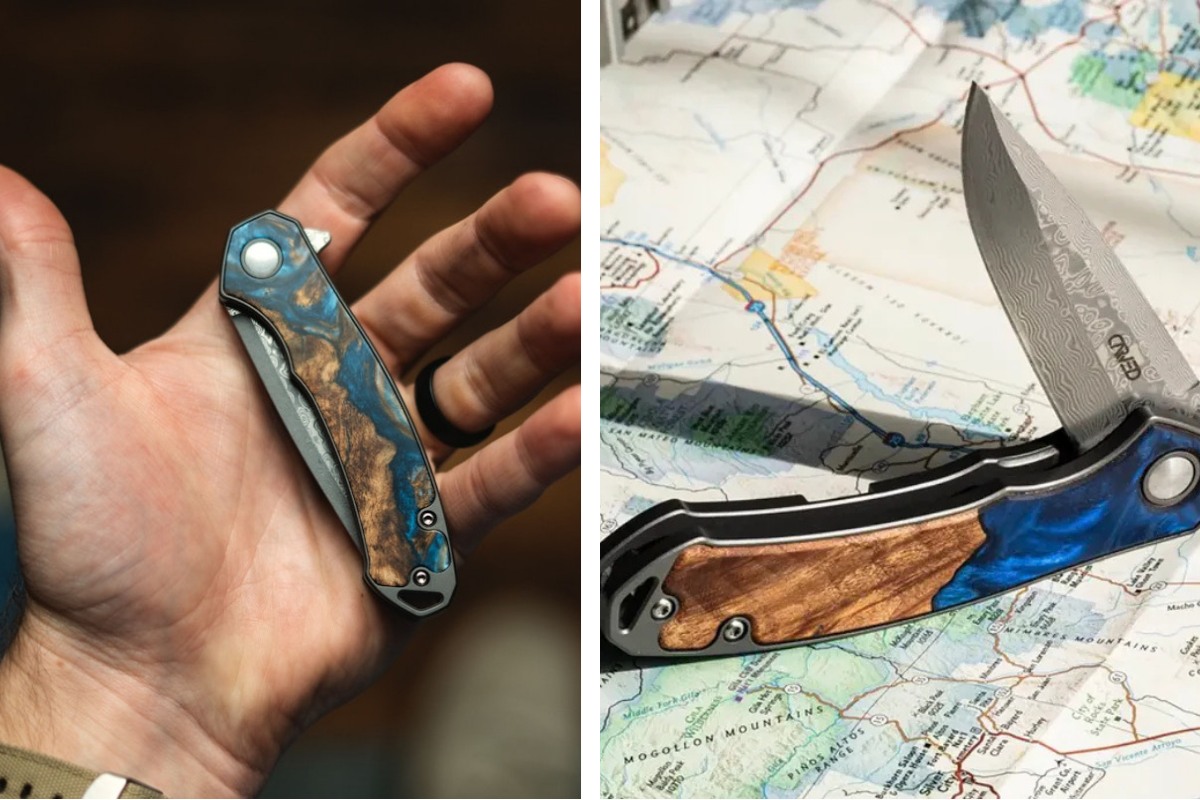
For knife enthusiasts and everyday users, Minnesota is generally permissive. There is no statewide blade-length restriction for ordinary knives, and the state does not distinguish between open and concealed carry. As long as you are not carrying a prohibited switchblade, you can legally carry folding knives, fixed-blade hunting knives, butterfly knives, and utility tools.
The primary legal boundary beyond the switchblade ban is the “intent” requirement. Under Minnesota Statute § 609.66, subdivision 1(a)(5), it is illegal to possess any dangerous article or substance with the purpose of using it unlawfully as a weapon against another person. This statute acts as a catch-all, ensuring that even a legal tool can become a criminal liability if it is carried with the intent to cause harm.
Local Ordinances and Restricted Areas
While state law provides a general framework, it does not offer total preemption. This means that individual cities, counties, and municipalities can—and sometimes do—enact their own, more restrictive ordinances. For instance, certain cities may impose specific blade-length limits for knives carried in public parks or other municipal properties. It is always recommended to check the municipal code of your specific city or county to ensure you are fully compliant.
Furthermore, state law identifies specific “sensitive” areas where carrying even a legal knife can lead to serious legal consequences. It is generally prohibited to carry dangerous weapons, including knives, on school property, in courthouse complexes, at certain state buildings in the Capitol area, and within correctional facilities. Always err on the side of caution when entering government or educational spaces, as these locations often have their own security screening processes and strict prohibitions.
Responsible Knife Ownership
The most reliable way to stay compliant in Minnesota is to avoid automatic-opening knives and maintain a tool-based mindset. Carry your knife for legitimate utility or self-defense purposes rather than for offensive use. By understanding the distinction between a lawful tool and a prohibited weapon, and by remaining aware of local ordinances and restricted areas, you can navigate Minnesota’s knife laws with confidence and legal safety.
Sources
- (https://nobliecustomknives.com/us-knife-laws/minnesota-knife-laws/)
- (https://www.akti.org/state-knife-laws/minnesota/)
- (https://knifeinformer.com/state-knife-laws/minnesota/)