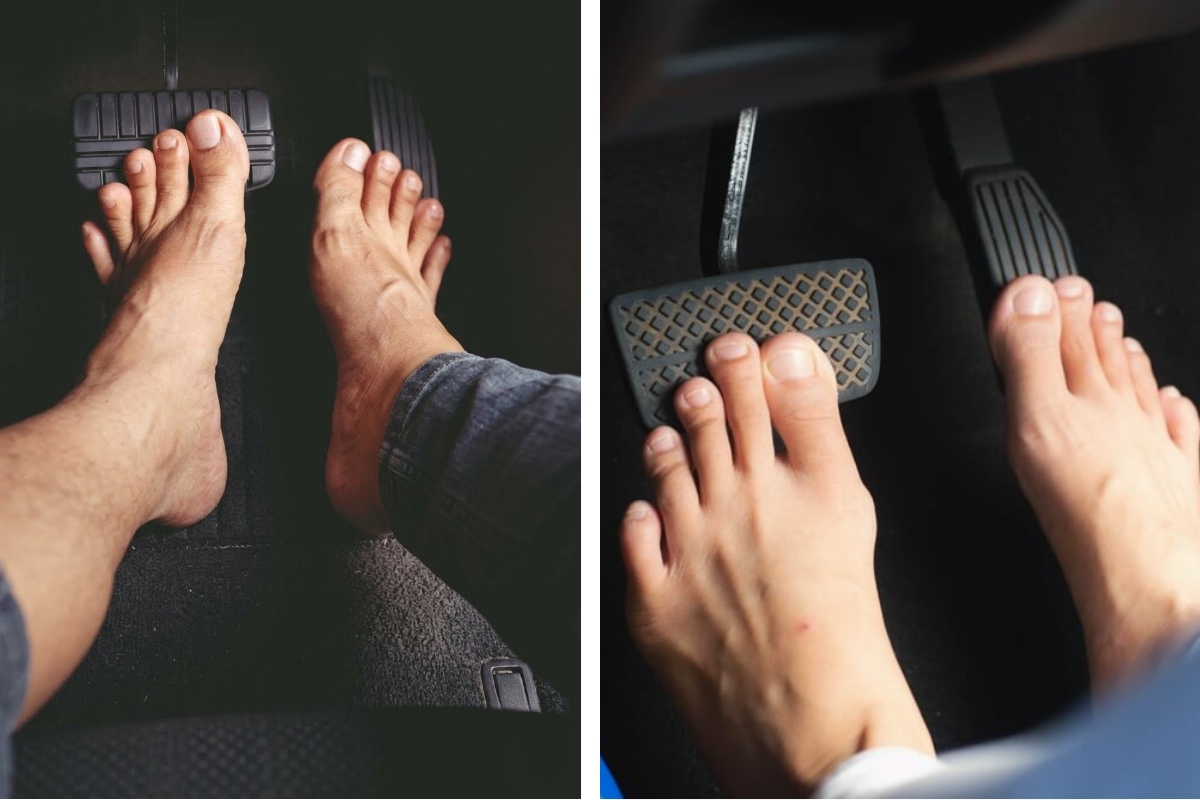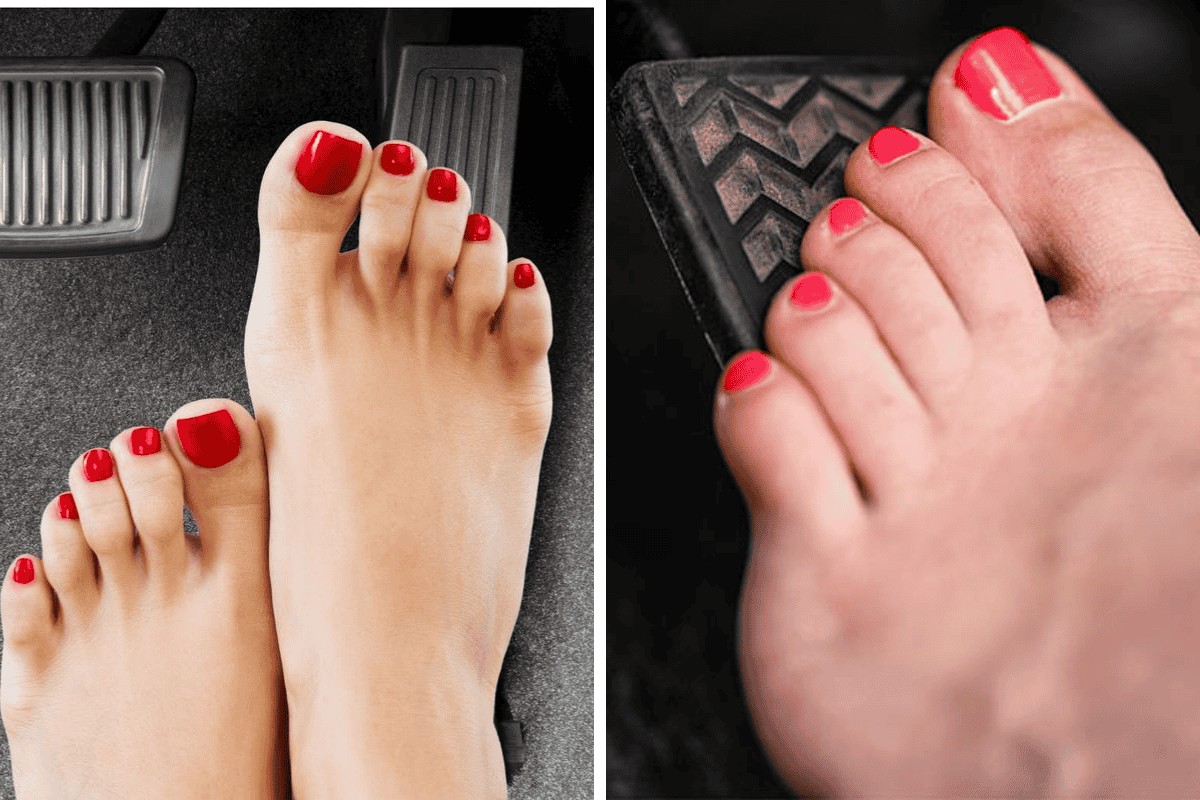
Driving barefoot in New Hampshire raises eyebrows for many, blending “Live Free or Die” liberty with practical safety questions. No state law prohibits it, but risks persist despite legality.
Legal Framework in NH
New Hampshire’s Revised Statutes Annotated (RSA) Title XXI, governing motor vehicles, detail licensing, equipment, and operation without mandating footwear. Sections like RSA 265:25 on reckless driving or RSA 266:78 on motorcycle footrests focus elsewhere, not driver attire. The official Driver’s Manual reinforces this omission, covering vision (20/40 required), seat belts, and no-phone rules but silent on shoes.
State DMV resources confirm: barefoot driving holds no ticketable offense on its own. This aligns nationally—no U.S. state bans it outright, per legal analyses. Local towns like Seabrook or Sanbornton report no ordinances either.
Why the Myth Persists
Urban legends stem from “No shirt, no shoes, no service” signs, confusing private business policies with public roads. Beachgoers or wedding dancers often drive shoeless, sparking online debates, yet NH’s freedom ethos prevails. Pre-2026 articles echoed this, with 2025 updates affirming no changes.
Safety Concerns Explained
Legal doesn’t mean safe. Bare feet slip easier on pedals, lacking shoe traction—critical in emergencies like sudden stops. Sweat, rain, or sand worsens grip, per experts. NHTSA notes general distraction risks, though barefoot-specific stats are absent; general crashes exceed 6 million yearly, where control loss factors heavily.
In accidents, unprotected feet suffer lacerations from glass, debris, or hot pedals. Winter NH roads amplify dangers with snowmelt or ice inside vehicles. Flip-flops or heels prove worse, snagging accelerators, but barefoot edges them slightly via direct contact—still suboptimal.
Potential Liability Angles
Post-crash scrutiny could deem barefoot driving negligent if it caused loss of control. Insurers might argue reduced reaction time contributed, hiking premiums or claim denials. NH courts prioritize “reasonable care”; barefoot alone rarely suffices for liability but combines badly with fatigue or speed.
Recommended Footwear Choices
Opt for closed-toe, rubber-soled shoes offering grip without bulk. Avoid high heels (pedal jams), sandals (toe exposure), or boots (stiffness). For NH’s variable weather—summers at beaches, winters on I-93—versatile sneakers suit best.
NH Driving Context
Granite State’s 13,000+ miles of roads include rural twists and urban Portsmouth traffic, demanding precision. Driver’s Manual stresses defensive habits: scan 12-15 seconds ahead, maintain 3-second following. Barefoot diverts focus to footing, clashing with these.
Tourists flock to White Mountains or Lakes Region shoeless; locals coach football or garden sans shoes, tempted on short hops. Yet pros advise gearing up, mirroring aviation’s strict protocols.
Broader US Perspective
All 50 states mirror NH: legal but cautioned. California beaches or Florida highways see similar habits. NHTSA pushes “any state” impairment avoidance, footwear included indirectly.
Tips for Safe Driving
- Clean pedals regularly to prevent slips.
- Keep spare shoes glovebox-stocked.
- Practice emergency stops shod.
- Review manual annually for updates.
Prioritize control; NH’s lax rules demand personal responsibility. Drive smart, arrive safe.
SOURCES:
- https://owossoindependent.com/is-it-illegal-to-drive-barefoot-in-new-hampshire-heres-what-law-says/
- https://www.law.cornell.edu/regulations/new-hampshire/N-H-Admin-Code-SS-We-101.16