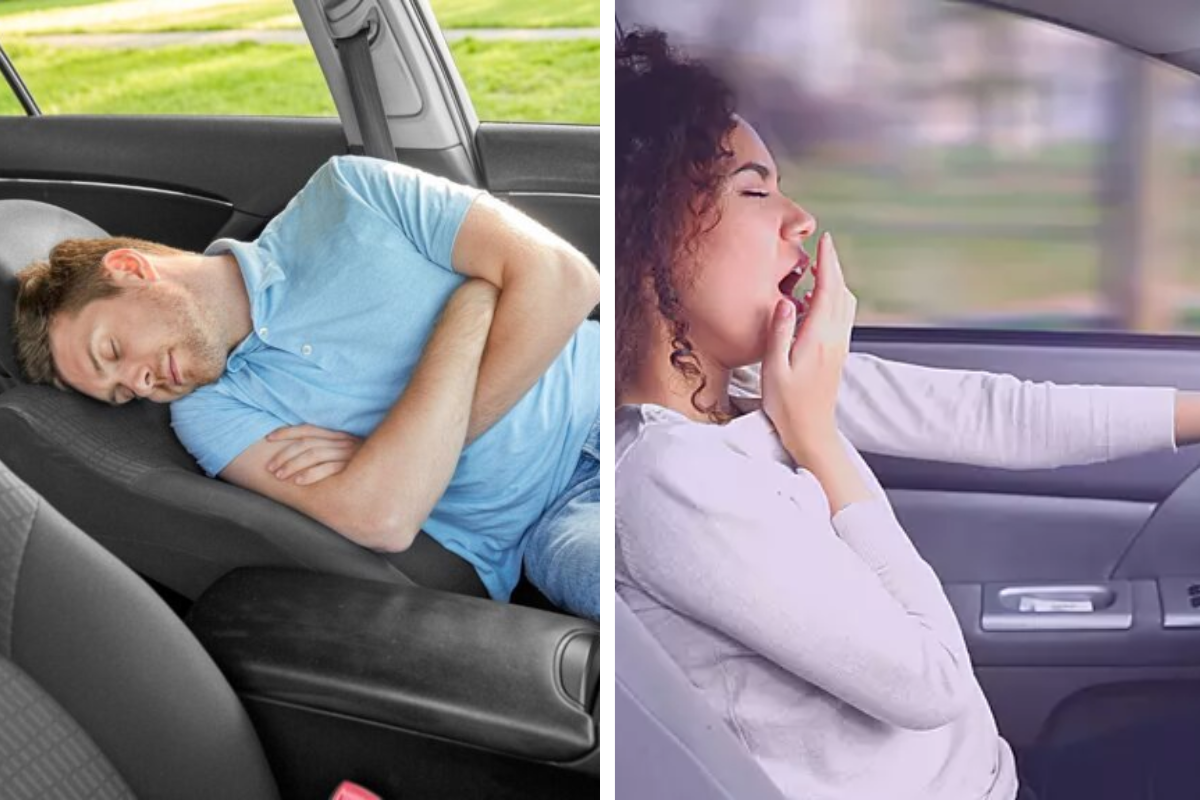
Sleeping in your car is not outright illegal under Colorado state law, but where and how you do it can quickly turn a simple overnight rest into a legal issue. Most restrictions come from local ordinances, posted signs, and land‑use rules, so the key is understanding the specific rules in each city, county, or type of land you’re on.
Is It Legal Statewide?
Colorado does not have a statewide statute that bans sleeping in a vehicle. In theory, you can legally rest in your car as long as you are not trespassing, drunk behind the wheel, or violating local parking or camping rules. However, if you cross into a city or county with a “no camping” or “no overnight parking” ordinance, you can be cited even if you’re just sleeping in the driver’s seat.
City and Municipal Rules
Many Colorado cities effectively ban sleeping in cars through camping or vehicle‑habitation ordinances. Examples include:
- Denver: Prohibits “unauthorized camping” on public property, which can cover sleeping in a car on streets or in public parks.
- Colorado Springs: Has a specific ordinance against sleeping in vehicles on public property, with penalties that can include fines and even short‑term jail time.
In such places, police may issue a warning, move‑on order, fine, towing, or, in some repeat cases, misdemeanor charges. Enforcement can vary by neighborhood and time of day, so it is wise to check a city’s municipal code or call its non‑emergenncy line before spending the night in a car.
Public Lands and Rest Areas
On public lands, rules also depend on location:
- National Forests and BLM lands often allow overnight parking and sleeping in vehicles under “dispersed camping” rules, typically with limits (for example, 14 days in one spot). Always confirm the specific forest or district’s rules before you park.
- State rest areas are generally meant for short breaks, not full‑night stays. Some Colorado highway rest areas post signs limiting stay times or prohibiting overnight parking; ignoring these can lead to tickets or being asked to leave.
Private Property and Retail Lots
Sleeping in a car on private property without permission is treated as trespassing. That includes shopping‑center lots, gas stations, or hotel parking areas if the owner has not explicitly allowed overnight stays. Many businesses post “No Loitering” or “No Overnight Parking” signs precisely to avoid issues with people living in or sleeping in their cars.
If you want to camp in a car on private land—such as a friend’s driveway or licensed campground—explicit permission removes the trespass concern and can make it fully legal.
Risks Beyond Parking Violations
Beyond fines and towing, there are other risks:
- DUI‑related issues: Even with the engine off, being in physical control of a vehicle while intoxicated can still lead to a DUI charge in Colorado.
- Health and safety concerns: Long‑term car sleeping in harsh weather or high‑traffic areas can be dangerous without proper planning (ventilation, locking doors, and avoiding fumes).
Practical Tips for Staying Legal
To minimize legal exposure while sleeping in your car in Colorado:
- Check local ordinances in each city or county.
- Respect all posted signs (no overnight parking, no camping, no loitering).
- Prioritize designated campgrounds, safe‑parking programs, or private land with permission over random street parking.
If you are unsure about a specific spot, contact the local police department or municipal office and ask what rules apply to “overnight parking” and “sleeping in vehicles.”
SOURCES :
- https://www.worldlawdigest.com/usa/general/is-it-legal-to-sleep-in-your-car-in-colorado#google_vignette
- https://kekbfm.com/colorado-can-i-sleep-in-my-car/