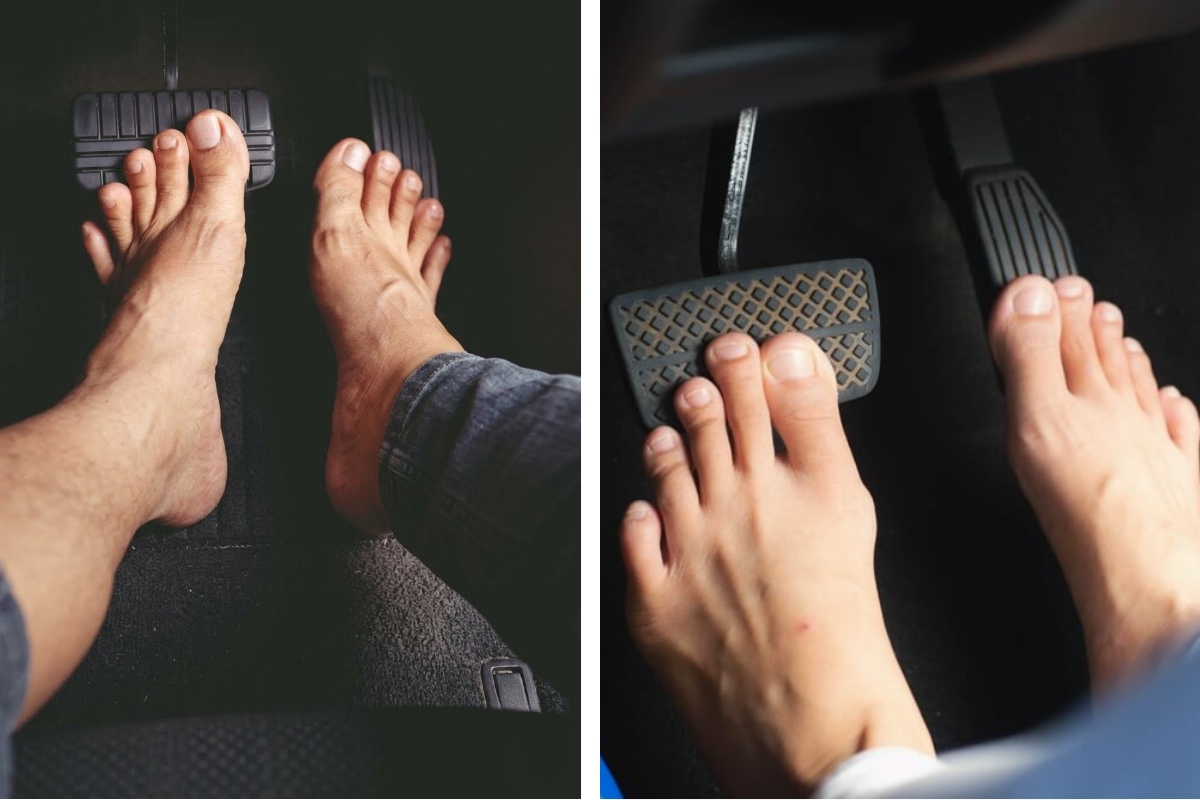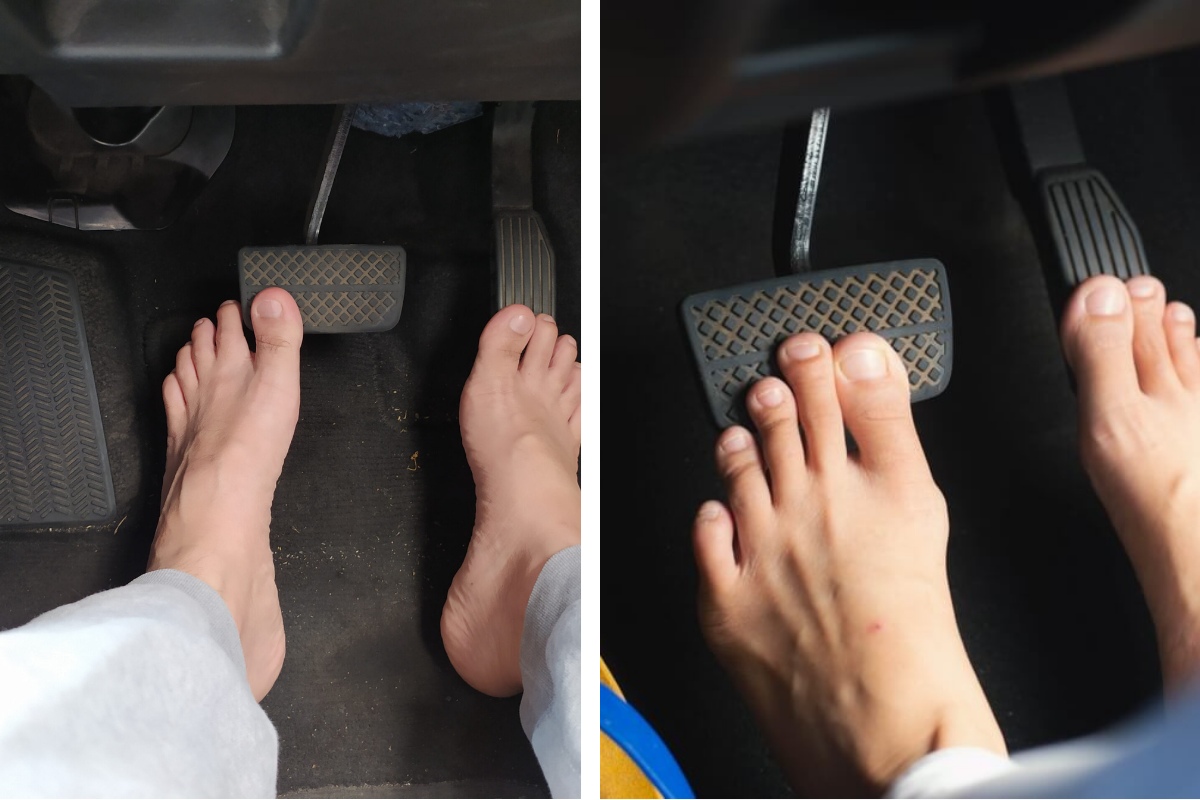
Driving barefoot in Minnesota is perfectly legal under state law, with no specific statute prohibiting it. While many drivers grew up hearing it’s illegal, Minnesota follows the nationwide norm where footwear isn’t mandated for operating a vehicle.
The Legal Reality
Minnesota traffic statutes, including those in Chapter 169 of the Minnesota Statutes, outline rules for safe vehicle operation but make no mention of required shoes or sandals. State troopers, including Sgt. Troy Christianson of the Minnesota State Patrol, have publicly confirmed that barefoot driving carries no ticket or fine by itself.
This aligns with federal patterns: A 1990s inquiry to all 50 states’ DMVs verified barefoot legality everywhere, and no changes have occurred since. Local ordinances rarely contradict this, though drivers should verify city-specific rules in places like Minneapolis or Duluth.
Why the Myth Persists
The misconception stems from common sense—bare feet seem risky on pedals—and old wives’ tales amplified by urban legends. A Zebra.com study found most Americans wrongly believe it’s banned, with 35 states seeing high confusion rates. Safety PSAs urging “proper footwear” fuel the rumor without creating actual laws.
In reality, Minnesota prioritizes overall control: If barefoot driving impairs braking or acceleration, it could trigger careless driving charges under Minn. Stat. § 169.13, but that’s rare and fact-specific.
Safety Concerns
Legal doesn’t mean smart. Bare feet offer less grip than shoes, raising slip risks on accelerators or brakes during emergencies. Troopers note flip-flops pose bigger threats by wedging under pedals, while bare soles sometimes provide better feel for some drivers.
Accident data shows footwear issues contribute to crashes, though barefoot cases are minimal. Experts recommend closed-toe shoes with thin soles for optimal pedal response, especially in winter or on highways.
Potential Liability Risks
Post-crash, barefoot driving could complicate insurance claims or lawsuits. If barefoot operation contributes to an accident—say, slipping off the brake—insurers might argue negligence, reducing payouts. Personal injury lawyers advise against it to avoid “contributory fault” defenses in court.
Minnesota’s no-fault system still scrutinizes driver error. Juries might view bare feet unfavorably, even if legal, mirroring cases where distractions like phones draw blame.
Practical Advice During Stops
Pulled over? Officers can’t ticket solely for no shoes, but comply calmly. If asked about footwear, note it’s legal but offer to slip on shoes if available. Refusing unrelated searches protects rights without escalating.
For long hauls, pack grippy socks or minimalist shoes. Motorcyclists face extra risks from road debris, making boots essential despite car leniency.
Comparisons to Other States
Minnesota mirrors neighbors like Wisconsin and Iowa—no footwear laws. Exceptions? Rare beach towns ban bare driving on safety grounds, but not statewide. Hawaii and Florida echo the free-toe policy, prioritizing control over mandates.
Globally, the UK and Canada allow it too, with safety advisories only. U.S. uniformity simplifies road trips—no packing shoes just for legality.
When to Wear Shoes Anyway
Opt for shoes in snow, rain, or trucks with stiff pedals. Families with kids benefit from role-modeling caution. If barefoot feels freeing on hot days, limit it to familiar routes—but prioritize arriving safely over toe freedom.
No, it’s not illegal to drive barefoot in Minnesota—the law is silent on shoes, confirmed by patrols and statutes. Still, trade comfort for control: Slip on secure footwear to dodge slips, claims, and crashes. Drive aware, not bare if in doubt.
Sources
- (https://kxrb.com/is-it-illegal-to-drive-barefoot-in-minnesota/)
- (https://www.oreateai.com/blog/driving-barefoot-in-minnesota-legal-but-not-always-safe/f41ed7fe5c11318b58cb90b4c085d908)
- (https://kxrb.com/is-it-illegal-to-drive-barefoot-in-minnesota/)