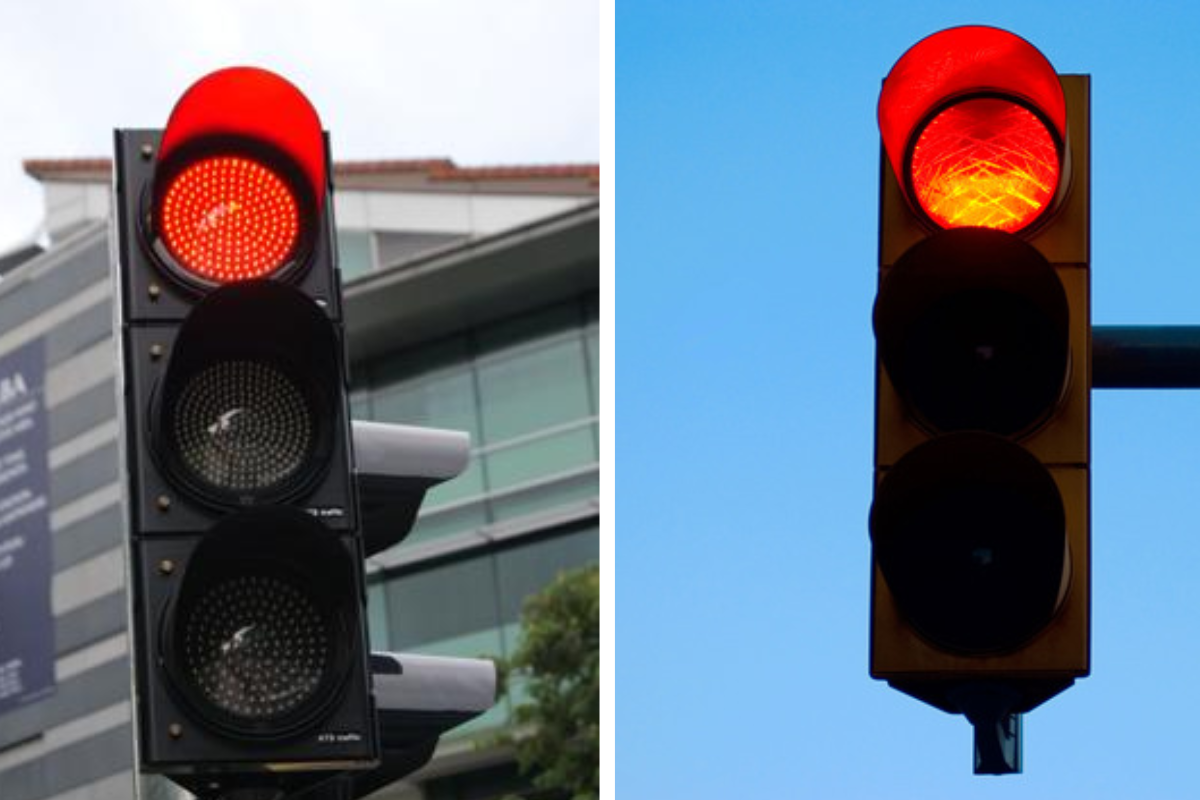
Wisconsin’s right‑turn‑on‑red rule remains permissive in 2026, but enforcement and public education have tightened to reduce intersection crashes and improve pedestrian safety. Understanding the current rules helps drivers avoid tickets and collisions while keeping traffic flowing smoothly.
What Wisconsin law allows
Under Wisconsin Statutes, drivers may usually turn right on red after coming to a complete stop, unless a sign expressly prohibits it. The turn is only lawful if the way is clear of pedestrians, cyclists, and oncoming vehicles with the right‑of‑way.
Where two right‑turn lanes exist, vehicles from the leftmost right‑turn lane may turn right on red into the second‑to‑rightmost lane for traffic moving to the right, so long as they do not cross lanes of moving traffic.
When right turns on red are prohibited
A posted “No Turn on Red” sign overrides the general rule and makes the maneuver illegal, even if the driver stops first. In some complex or high‑crash intersections, local authorities may also restrict right turns on red to protect pedestrians or reduce congestion.
Turning right on red is also prohibited if it would require crossing lanes of moving traffic, except in the specific two‑right‑turn‑lane scenario described in statute.
Key duties of drivers at red lights
Before turning right, drivers must come to a full stop behind the crosswalk or stop line, then check for cross‑traffic and pedestrians in all directions. They must yield to any pedestrian in a crosswalk or with the walk signal, as well as to cyclists and oncoming vehicles with a green light.
Rushing through the turn or failing to yield can lead to citations, points on a license, and higher insurance premiums.
Impact of 2026‑style enforcement
Recent guidance and enforcement patterns emphasize stricter interpretation of “complete stop” and “yield” requirements, especially in urban and school‑zone areas. Some localities have begun posting additional signage or using painted markings to clarify where right‑turn‑on‑red is restricted, aiming to reduce confusion and pedestrian‑related crashes.
Drivers are encouraged to treat every red light as a full stop, scan for vulnerable road users, and only proceed when all hazards are clear.
Practical tips for staying compliant
- Always slow early and come to a true stop before attempting a right‑on‑red.
- Read intersection signs carefully; if “No Turn on Red” is posted, obey it without exception.
- Check both directions for pedestrians, bicycles, and cross‑traffic, even if the intersection appears quiet.
- Do not turn from a lane configuration that would require crossing moving traffic lanes, except in the narrowly defined two‑right‑turn‑lane case.
By following Wisconsin’s right‑turn‑on‑red rules as of 2026, drivers support safer intersections and help maintain the legal right to make these turns where they are permitted.
SOURCES :
- https://www.pksd.com/blog/laws-on-right-of-way/
- https://thewrangler.com/wisconsin-traffic-rule-2025-update-understanding-the-right-turn-on-red-rule/2025/06/19/