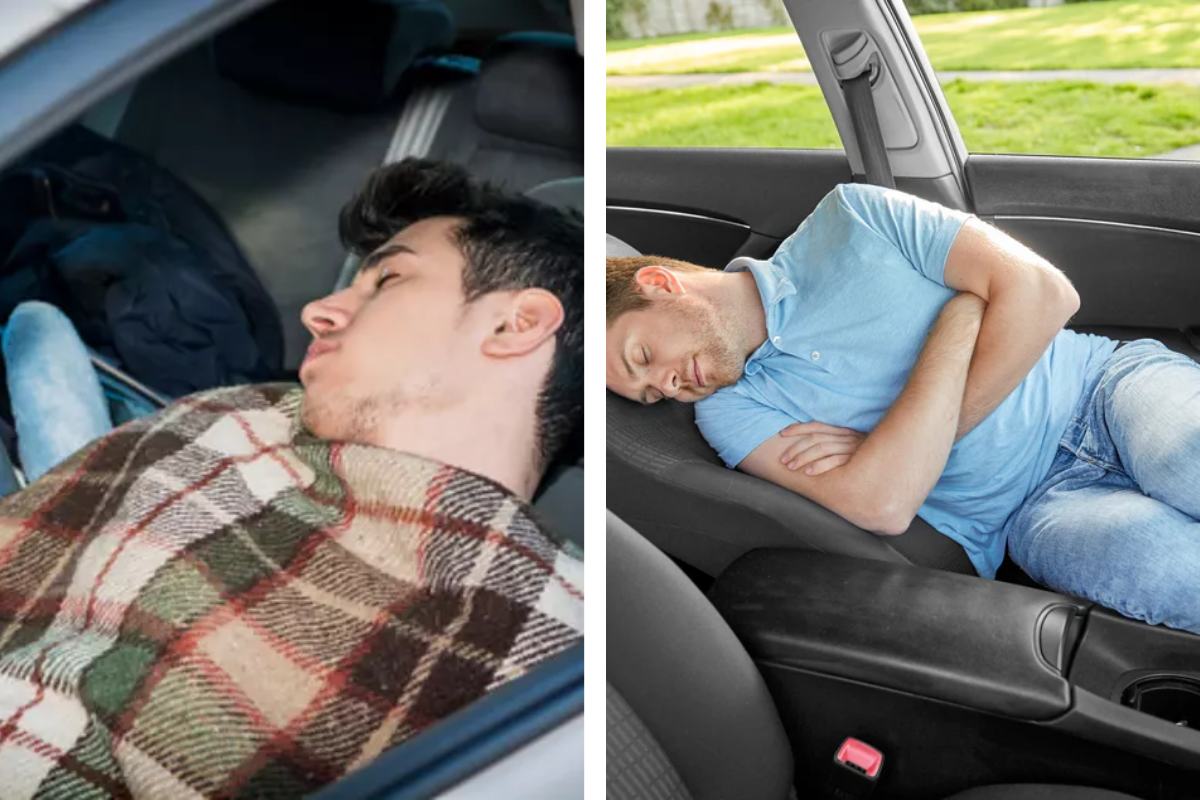
Sleeping in your car is not explicitly illegal in Massachusetts, but its legality hinges on location, signage, and circumstances like intoxication. No statewide statute bans the practice outright, making rest areas a common safe haven for drowsy drivers.
Legal Framework
Massachusetts lacks a specific prohibition on car sleeping, unlike some states with outright bans. Authorities encourage using rest areas to combat fatigue, viewing it as safer than driving tired. Key caveat: parking rules govern—most rest areas enforce a 2-hour limit, with unattended vehicles capped at 30 minutes.
Safe Locations
Rest areas along highways provide legal spots, patrolled by state troopers for security. Designated public campgrounds, like those in Cape Cod National Seashore, permit car-based overnight stays for a fee. Private property requires owner permission; otherwise, it’s trespassing.
Prohibited Areas
Avoid private lots, residential streets, or spots with “No Overnight Parking” or “No Trespassing” signs—violations lead to fines or towing. Urban business districts and neighborhoods often restrict via local ordinances. Intoxicated sleepers risk OUI charges even if parked, as “operating” includes idling on public ways.
Penalties and Risks
Trespassing citations start at $50–$100, escalating with repeats or damage. Police may investigate suspicious vehicles, prompting loitering or public nuisance charges. No permit? Public land use beyond norms invites hassle.
| Location Type | Legal for Sleeping? | Key Rules |
|---|---|---|
| Rest Areas | Yes | 2-hour max; no unattended over 30 min |
| Private Property | With permission | Owner consent required |
| Posted “No Parking” | No | Fines/towing likely |
| Public Campgrounds | Yes | Fees may apply |
Safety and Best Practices
Park discreetly, lock doors, and avoid drawing attention—use window shades. Carry ID and explain fatigue if approached. Alternatives like apps for cheap motels beat risks. In winter, hypothermia threats amplify caution needs.
Drunk Sleeping Warning
“Sleeping it off” after drinking often backfires—Massachusetts OUI applies to stationary vehicles on public access areas if keys are accessible. Use rideshares instead.
For travelers or van-lifers, Massachusetts offers flexibility at approved spots, but common sense rules. Always prioritize signage and context over assumptions.
SOURCES :
- https://wnaw.com/massachusetts-car-sleeping-laws/
- https://wokq.com/ixp/922/p/is-it-illegal-to-sleep-at-a-massachusetts-rest-area/