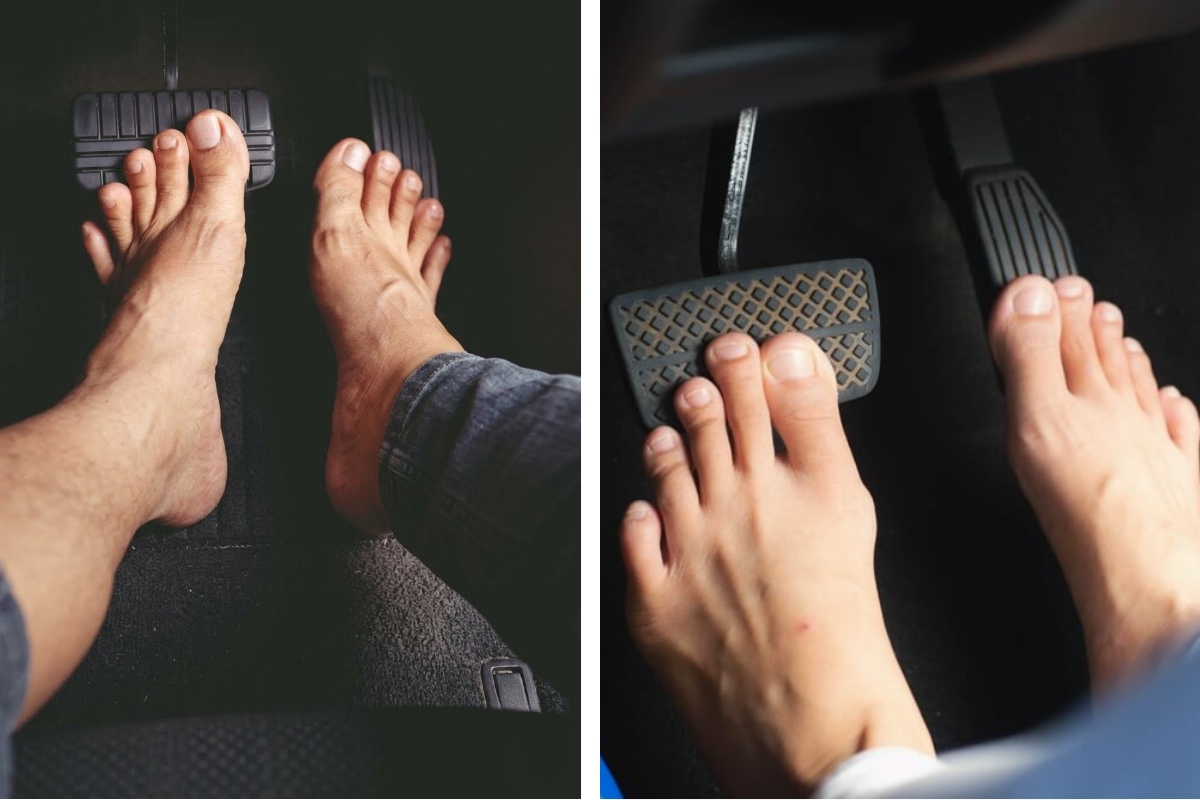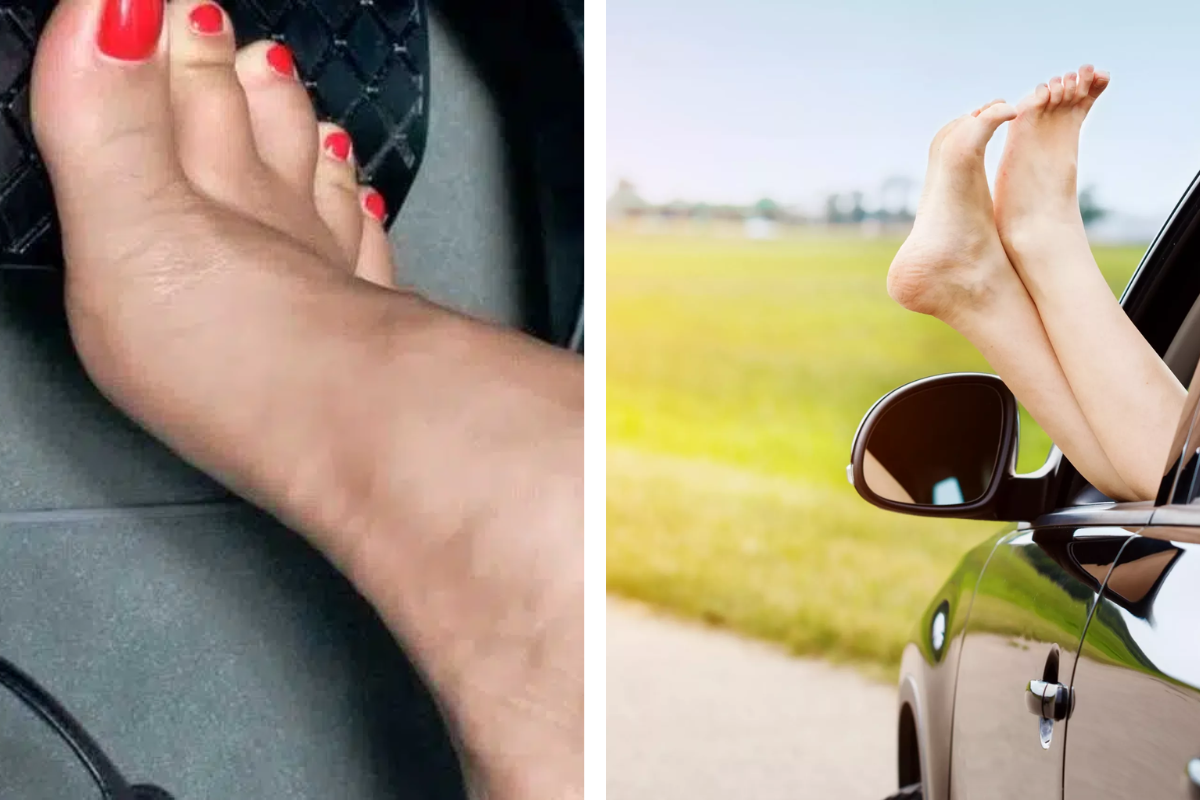
Driving barefoot is legal in Wisconsin, as no state statute explicitly prohibits it. However, safety concerns persist, and it could contribute to liability in accidents.
Wisconsin’s Legal Stance
Wisconsin law does not ban driving without shoes. The Wisconsin Department of Transportation confirms it’s permissible, with no penalties for being pulled over shoeless. State troopers have noted it’s common and even preferable to slippery footwear like heels.
While legal across all 50 states, local ordinances could theoretically apply, though none are documented in Wisconsin.
Safety Risks Involved
Barefoot driving reduces pedal grip and reaction time, especially on accelerators or brakes. In crashes, it heightens injury risk from glass or debris.
Courts might view it as negligent under reckless driving statutes (Wis. Stat. § 346.95), a misdemeanor with $200 fines and 6 license points. High heels or flip-flops pose similar issues, but bare feet lack protection.
Practical Driving Tips
Familiarize yourself with pedal feel before going shoeless. Keep shoes accessible for emergencies like sudden stops. Prioritize control—loose items or poor footwear can lead to tickets for distracted driving. In winter, bare feet exacerbate hazards on icy roads.
Liability in Accidents
If barefoot driving contributes to a crash, insurers or judges may cite negligence. No direct barefoot prohibition exists, but it could bar claims or raise premiums. Evidence like weather or road conditions strengthens such arguments.
Comparisons to Other States
Like Wisconsin, no U.S. state outright bans barefoot driving, per national reviews. Alabama permits it except for motorcycles; Ohio allows but discourages. Always check local rules, as municipalities vary.
SOURCES :
- https://ground.news/article/is-it-illegal-to-drive-barefoot-in-wisconsin-heres-what-the-law-says_c1406f
- https://teamjustice.com/is-it-illegal-to-drive-barefoot/