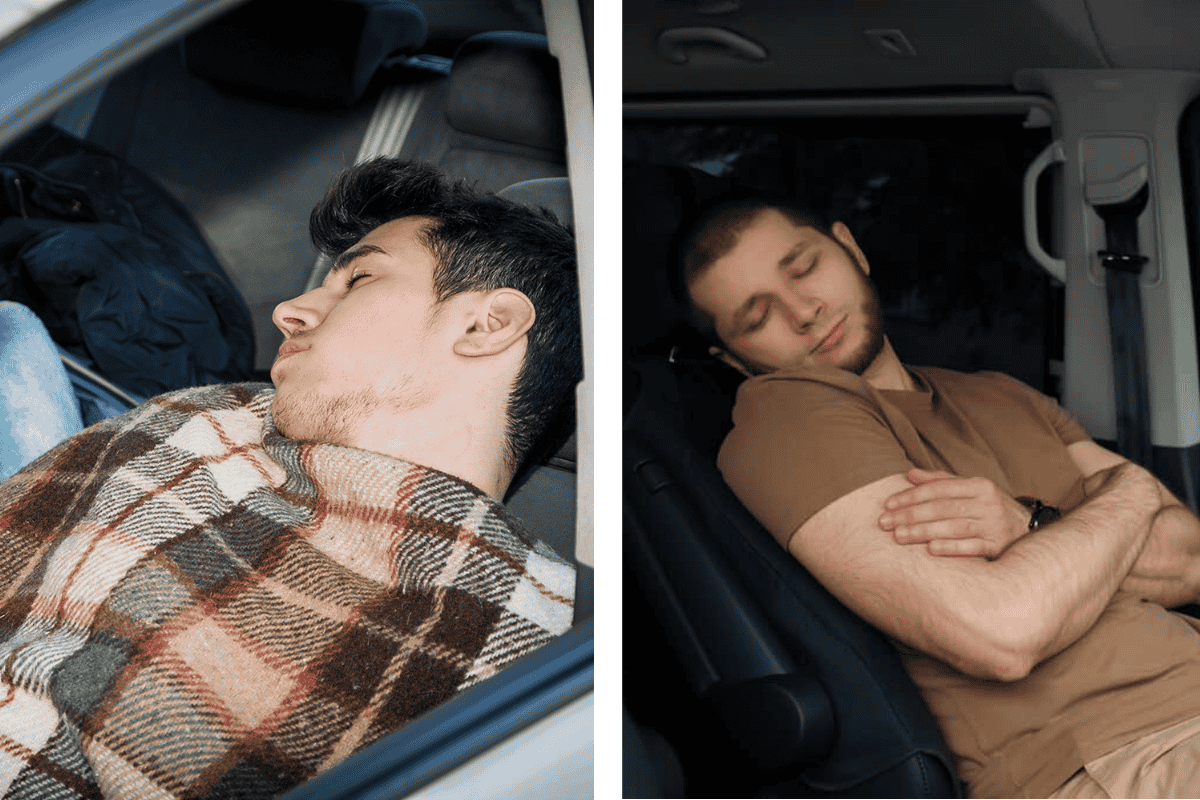
Sleeping in your car is not outright illegal under Tennessee state law, but strict time limits (2-3 hours at rest areas) and anti-camping ordinances make overnight stays risky, especially on public property. Cities like Nashville and Memphis enforce bans on vehicle habitation, leading to tickets, towing, or misdemeanor charges for extended parking.
Statewide Parking Rules
Tennessee Code §55-8-212 bans “camping” on highway shoulders, berms, or rights-of-way, interpreted to include sleeping in vehicles as preparation to camp. Rest areas and welcome centers limit stays to 2 hours—no overnight—per TDOT policy, with patrols issuing citations for violations. §55-8-158 prohibits stopping/standing where it impedes traffic or safety, often applied to roadside naps.
Local Ordinances Impact
Nashville and Memphis ban sleeping in vehicles on public streets or private lots without permission, treating it as loitering or trespass. Chattanooga and Knoxville have 72-hour abandonment rules escalating to towing. “Habitation” signs (bedding, cooking) trigger enforcement under public nuisance codes.
DUI Risks While Sleeping
Intoxicated sleepers face DUI if in “physical control” (keys accessible, engine capable)—public policy prioritizes sobriety over safety naps. Courts uphold arrests absent intent to drive.
| Location | Max Stay | Enforcement Level |
|---|---|---|
| Rest Areas | 2 hours | High—TDOT patrols |
| Highways/Shoulders | None (camping ban) | Felony risk if repeated |
| Cities (Nashville/Memphis) | Prohibited overnight | Frequent citations/tows |
| Private Lots (Walmart) | Varies—ask permission | Trespass if denied |
| Churches/Nonprofits | Overnight OK if allowed | Safe harbor programs |
Safe Spots and Exceptions
Churches, shelters, and safe parking programs (e.g., Nashville’s) offer designated overnight areas. Truck stops like Love’s permit RVs; some Walmarts allow short stays—call ahead. Rural spots less patrolled, but stealth (no visible gear) essential.
Penalties Overview
Citations start at $50-200 for illegal parking; towing $150+ storage. Repeat “camping” on public property: Class B misdemeanor ($500 fine, 6 months jail); felonies for chronic violations under 2022 expansions. Impound releases cost $300+.
2026 Updates
No major changes; 2025 bills tightened encampment removals (30-day response to complaints), indirectly hitting car dwellers. National trends spur safe parking pushes, but TDOT holds 2-hour cap.
Practical Advice
Limit to 3 hours max; rotate spots. Use apps like AllStays for tolerant lots. Carry insurance proof, ID. If stopped, emphasize brief rest—not living. Nonprofits like Open Table aid transitions. Tennessee balances traveler needs with public order—plan ahead to avoid fines.
SOURCES:
- https://labrumlawfirm.com/blog/is-it-illegal-to-live-and-sleep-in-your-car-in-tennessee
- https://www.tennessean.com/story/news/local/2025/05/09/can-you-sleep-in-a-car-in-tennessee-what-you-need-to-know/83474402007/