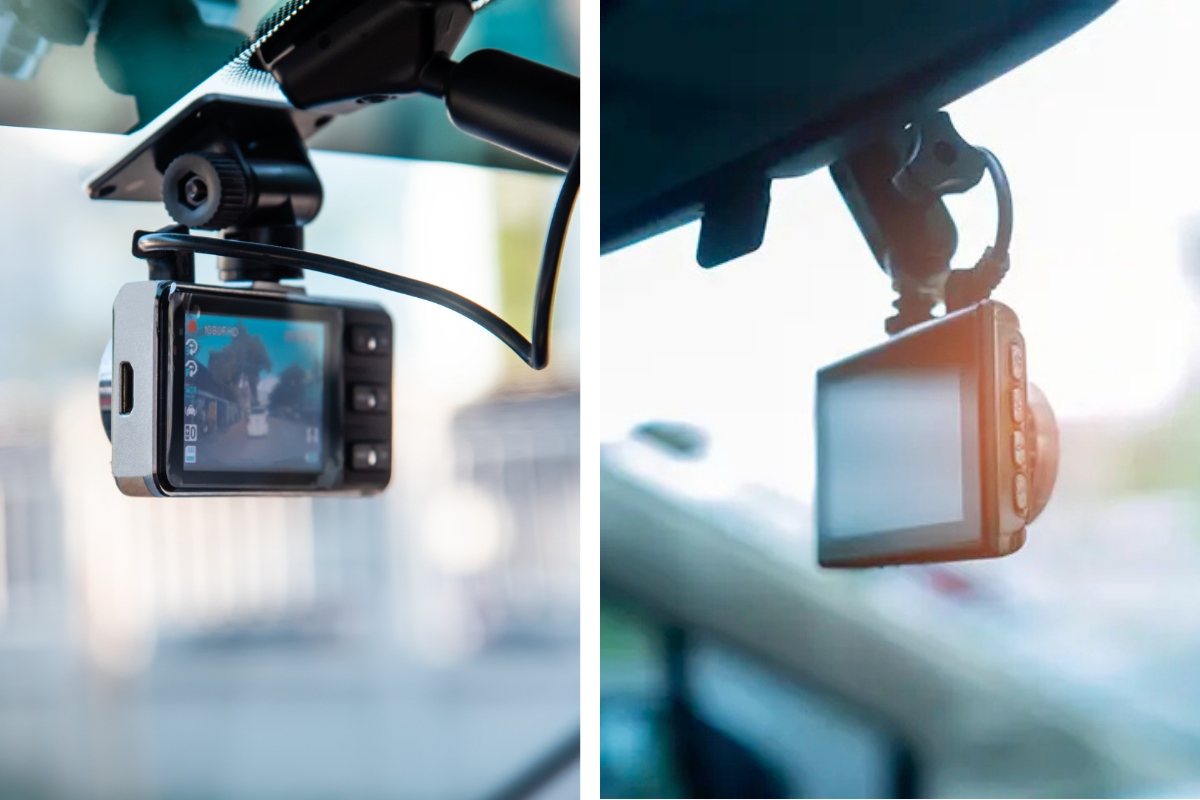
Dash cams are legal for personal‑vehicle use in Arizona and can be a powerful tool for documenting accidents, insurance disputes, and police interactions. However, Arizona does impose clear rules about where you can mount the camera, how much it can block your view, and how you handle audio recordings. Staying within these limits helps you avoid traffic tickets and privacy‑law issues while still capturing useful footage.
Are dash cams legal in Arizona?
Yes. Arizona does not ban civilian dash‑cam use, and drivers are allowed to install and operate dashboard cameras in their personal vehicles. The state treats dash‑cam videos recorded on public roads as generally lawful, because people have no reasonable expectation of privacy in public spaces. That footage can often be admitted as evidence in auto‑accident or insurance claims if it is relevant, authentic, and legally recorded.
The catch is that Arizona’s traffic‑safety and privacy laws still apply: you must mount the device safely and respect consent rules if you are recording audio conversations. Violating these rules can turn a useful tool into a legal problem.
Mounting and windshield‑obstruction rules
Arizona restricts what you can attach to the windshield to keep the driver’s view clear. The relevant provision (ARS 28‑959.01) says that objects attached to the windshield must occupy a small “permitted area” rather than blocking the main field of vision.
For dash cams, this means:
- On the driver’s‑side of the windshield, the camera must be placed in the lower‑corner zone limited to roughly a 5‑inch square near the rearview mirror.
- On the passenger’s‑side, the allowed area is slightly larger—up to about a 7‑inch square in the far‑lower corner.
If your dash cam or its mount extends beyond those zones or partially blocks your line of sight, you can be cited for a visibility‑obstruction violation, even if the device itself is otherwise legal. Many drivers avoid this by placing the camera on the dashboard instead of the glass, as long as the unit does not protrude into the driver’s clear‑view area.
Audio recording and consent rules
Arizona is widely treated as a one‑party consent state for audio recording, which affects how you handle dash‑cam audio. This means you can legally record a conversation if you are a party to it; for example, if you are the driver and your dash cam captures your talk with passengers or a phone call.
However, some sources and articles still debate whether Arizona truly operates under strict one‑party consent, so best practice is:
- Turn off audio recording if you are unsure, especially when private conversations among passengers might be captured.
- Post a clear notice that “audio is being recorded” or disable the mic altogether, particularly in rental cars, rideshare vehicles, or company fleets.
While Arizona courts generally accept dash‑cam video from public roads, audio that appears to violate privacy expectations can weaken your position in insurance or civil matters, even if it is not a clear criminal violation.
Using dash‑cam footage in court and insurance claims
In Arizona, properly obtained dash‑cam footage is often admissible in court and insurance negotiations, provided it meets basic evidence standards: relevance, authenticity, and legality. To maximize its value:
- Preserve the original, unedited files and keep them stored with clear timestamps.
- Avoid cropping, editing, or splicing footage, as altered clips may be excluded or used against you.
- If you are involved in a crash, consider sharing the footage with your attorney or insurance company promptly, but avoid posting it publicly until your case is settled.
Having a dash cam can help prove fault, reduce fraud, and speed up claims, but only if the device is mounted correctly and the audio complies with Arizona’s consent‑and‑privacy norms.
Practical tips for Arizona drivers
To stay on the safe side of Arizona’s dash‑cam rules, consider:
- Placing the camera in the licensed 5‑inch or 7‑inch windshield corner or on the dashboard where it does not block your view of the road, mirrors, or the sky.
- Disabling audio recording or clearly notifying passengers if you plan to record inside the cabin.
- Checking your local law‑enforcement website or an Arizona traffic‑law attorney for any new local ordinances, especially if you drive commercially or in metro areas like Phoenix or Tucson.
In short, Arizona lets you run a dash cam freely as long as it is safely mounted and your audio practices follow the state’s one‑party‑consent framework, making it a low‑risk, high‑value tool for modern drivers.