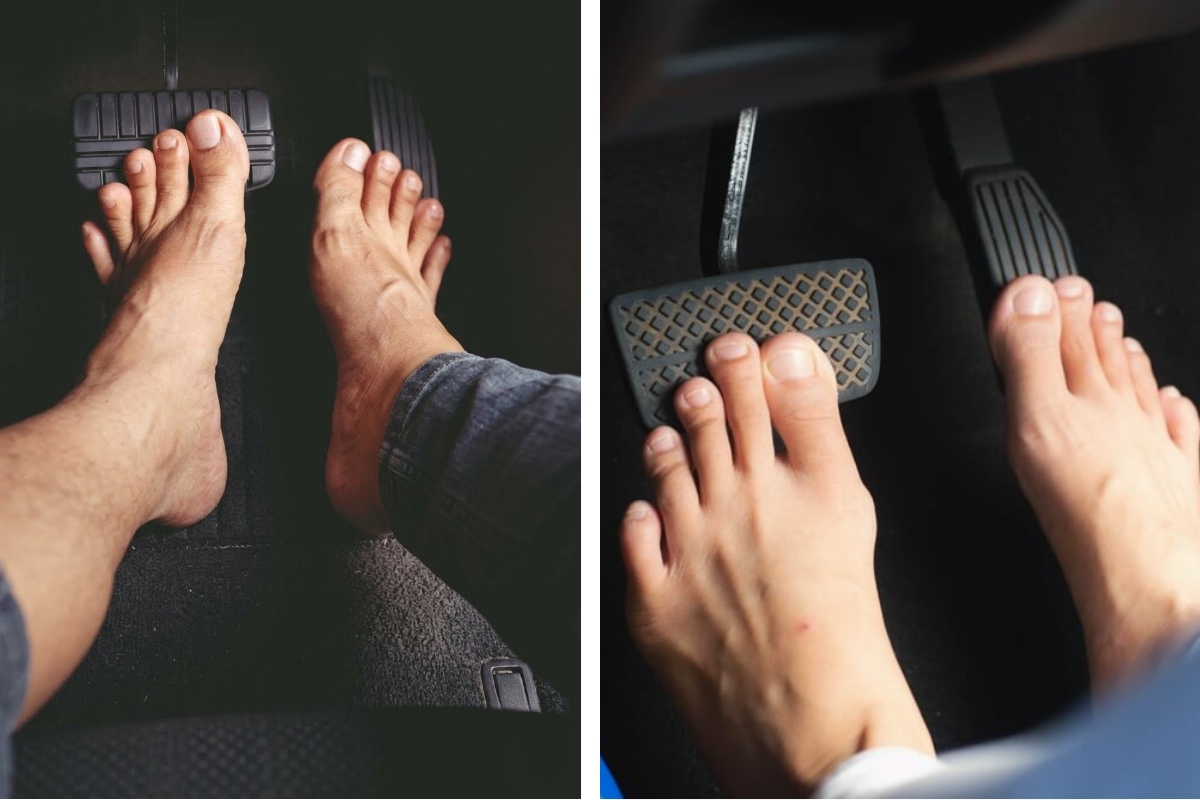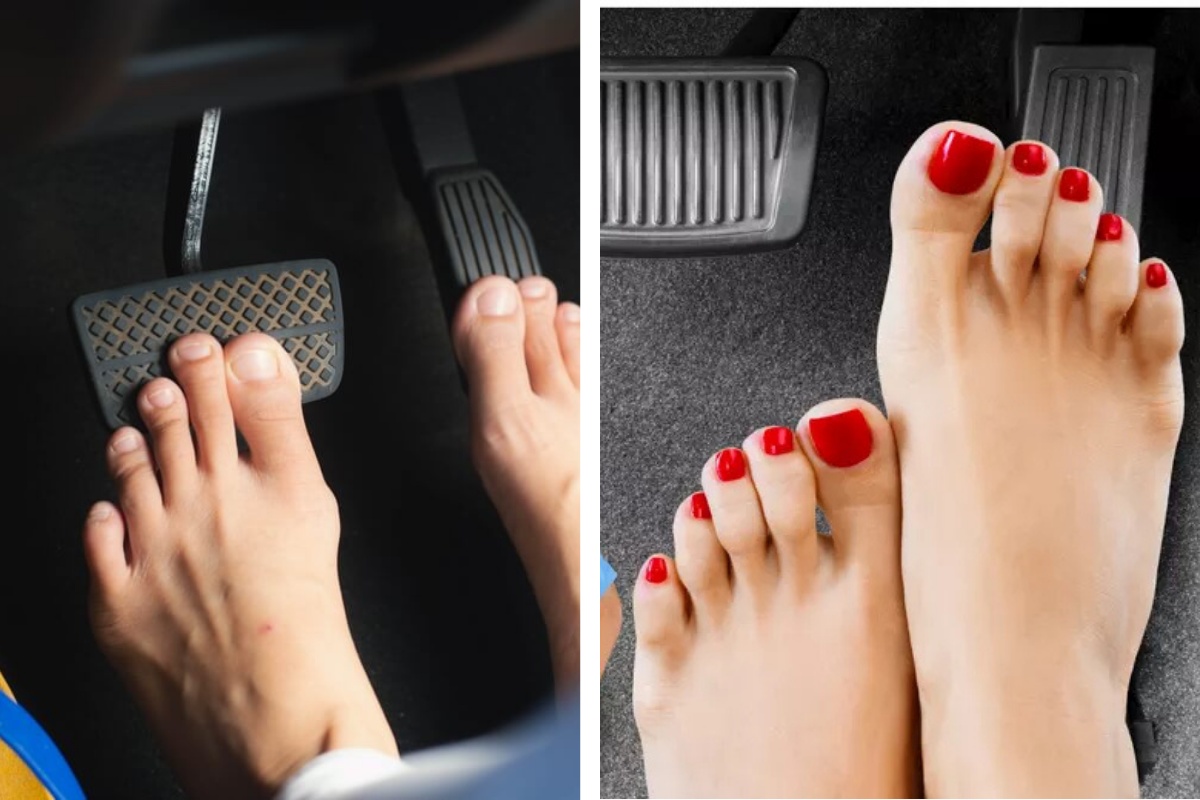
Driving barefoot in Texas is not illegal, despite the persistent myth that it can get you ticketed on the spot. No statute in the Texas Transportation Code requires you to wear shoes while operating a regular passenger vehicle. However, that doesn’t mean it is always a smart or risk‑free choice.
What Texas law actually says about barefoot driving
Texas traffic laws focus on how safely you control your vehicle, not on what is on your feet. Multiple Texas law firms confirm that there is no specific law prohibiting barefoot driving, and you cannot be cited solely for not wearing shoes. This matches national guidance: none of the 50 U.S. states have a direct statute that bans driving barefoot.
The Texas Transportation Code does require drivers to operate their vehicles “with reasonable care” and maintain proper control at all times. So while your bare feet are legal, any driving behavior that shows a lack of control—sloppy braking, erratic acceleration, or swerving—can still lead to citations under broader careless or reckless driving laws.
When barefoot driving can become a legal problem
Even though going barefoot is allowed, it can still come back to haunt you after a crash. If an investigating officer or an insurance company believes your lack of footwear contributed to the collision—for example, your foot slipped off the brake or got tangled under a pedal—you could be accused of negligence.
In these situations, you might face:
- A citation for careless or reckless driving, not for being barefoot but for failing to maintain safe control.
- Increased civil liability in a personal‑injury claim, if the other party argues that barefoot driving was unsafe behavior that helped cause the crash.
- Tougher negotiations with your insurer if they view your footwear choice as evidence of risky driving.
Courts and insurers look at the entire picture: if barefoot driving clearly did not affect your control, it may never be an issue; if it did, it can become an important factor in assigning fault.
Safety pros and cons of driving barefoot
From a safety perspective, lawyers and driving‑safety experts generally advise against barefoot driving, even though it is legal. Bare feet may have less traction on smooth pedals, making it easier for your foot to slip in emergency situations or on wet surfaces. They also offer no protection from broken glass, sharp objects, or metal parts if you are involved in a collision.
On the other hand, some drivers feel more precise pedal feedback without thick soles, believing it helps them brake more smoothly. Still, most safety recommendations favor flat, secure shoes with good grip over bare feet, flip‑flops, or loose sandals, which can get caught under pedals or fall off. Whatever you choose, Texas law only cares that you remain in full, reliable control of the vehicle.
Practical tips if you want to drive barefoot in Texas
If you decide to drive barefoot, a few habits can reduce your risk:
- Keep a pair of flat, closed‑toe shoes in the car so you can switch if conditions change or you start feeling less confident in traffic.
- Avoid loose footwear like flip‑flops on the pedals; if you remove them, place them securely on the floor, not under the pedals.
- Pay close attention in heavy traffic, bad weather, or long drives, where fatigue and wet surfaces can increase the chance of slipping.
- After any accident, be prepared that your footwear choice might be questioned by police, insurers, or attorneys if pedal control is a disputed issue.
Driving barefoot in Texas is legal, but the safest move is usually to wear secure, grippy shoes and focus on smooth, controlled driving so you never have to defend your footwear in a courtroom or a claims file.
Sources
- (https://monsourlawfirm.com/is-it-illegal-to-drive-barefoot-in-texas/)
- (https://www.kraftlaw.com/legal-articles/is-it-against-the-law-to-drive-barefoot/)
- (https://www.romeroinjurylaw.com/blog/texas-driving-barefoot-laws-safety/)
- (https://www.wilhitelawfirm.com/blog/is-it-illegal-to-drive-barefoot-in-texas/)