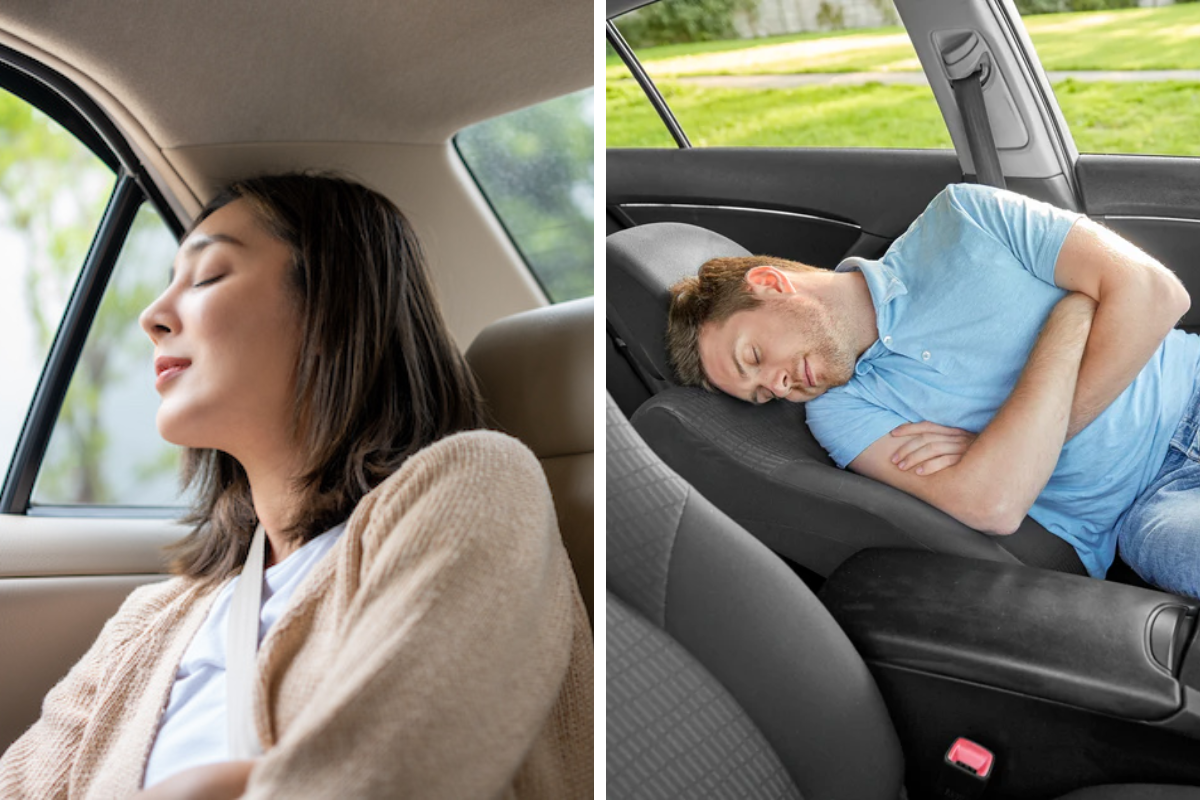
Ohio lacks a statewide ban on sleeping in your car, making it generally legal on public roads, rest areas, and private property with permission. However, local ordinances, parking rules, and safety laws create restrictions that vary by city and context.
Statewide Rules
Ohio Revised Code does not criminalize resting in a parked vehicle, distinguishing it from states with explicit anti-camping statutes. Rest areas and Turnpike plazas allow overnight stays, but prohibit camping, leaving vehicles unattended over three hours, or parking on grass. No statewide time limit exists beyond 24 hours at rest stops, though exceeding it risks trespassing fines around $150.
Local Ordinances
Cities enforce stricter measures. Columbus bans vehicles used as dwellings on public property over two hours (§ 2301.04). Cincinnati and Cleveland prohibit overnight parking on streets if the car serves as living quarters, with fines over $100 doubling for repeats. Dayton limits “continuous occupancy” to four hours in 24 on rights-of-way (§ 131.10). Always check municipal codes for zones near shelters or downtowns.
| City | Key Restriction | Fine Range |
|---|---|---|
| Columbus | No dwelling >2 hours public | $100+ |
| Cincinnati | No overnight on streets | $100-$500 |
| Cleveland | No living quarters on public | $100+ |
| Dayton | No continuous >4 hours/24 | Varies |
Private Property Considerations
On private lots like Walmart or businesses, owners dictate rules—overnight stays often require permission to avoid trespassing charges (ORC 2911.21). Homeowners can sleep in vehicles on their own driveways, but HOAs or “junk vehicle” ordinances may intervene if unregistered or long-term.
Safety and Enforcement Risks
Police prioritize welfare checks over citations for first offenses, but running engines, alcohol presence, or blocking traffic can trigger OVI charges even if asleep. Towing occurs for illegal parking; DUI risks apply if keys are accessible. Use hazard lights, crack windows, and avoid idling.
Best Practices
Park discreetly at rest areas, obtain store permission, or use apps like iOverlander for safe spots. Carry ID, comply with officers, and research cities via official sites. Blackout covers and portable power help blend in legally.
SOURCES :
- https://reolink.com/blog/is-it-illegal-to-sleep-in-your-car/
- https://www.alibaba.com/product-insights/is-it-illegal-to-sleep-in-your-car-in-ohio.html