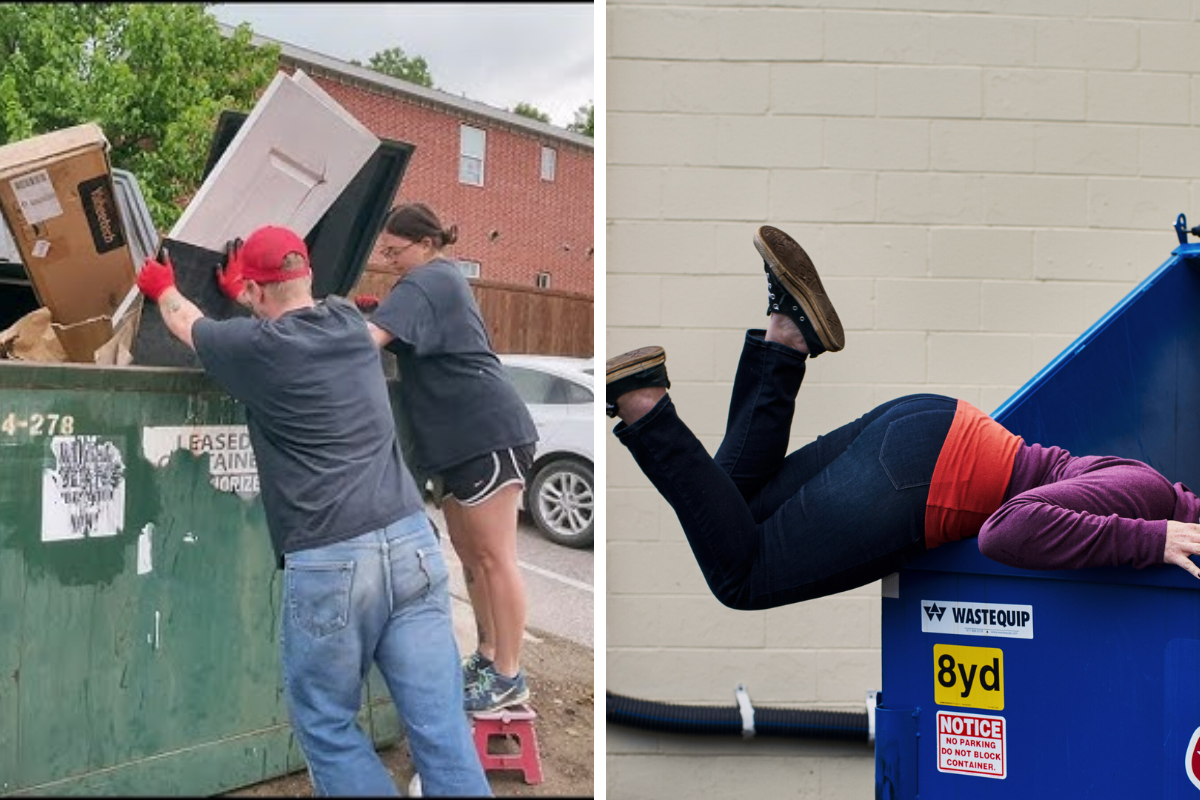
Dumpster diving, or scavenging through trash bins for usable items, operates in a legal gray area in California. While a key Supreme Court ruling supports it in public spaces, private property access and local rules often make it risky.
Legal Foundation
The U.S. Supreme Court case California v. Greenwood (1988) established that individuals have no reasonable expectation of privacy in garbage placed for collection on public property. This means trash in public dumpsters or curbside bins is considered abandoned and free for anyone to take, including divers. California state law does not explicitly ban dumpster diving, but it hinges on property rights and local ordinances.
Public vs. Private Property
Dumpster diving is generally legal on public property, such as alleys, sidewalks, or public waste areas, provided no signs prohibit it. However, accessing dumpsters on private property—like behind stores or in gated lots—without permission constitutes trespassing under Penal Code 602 PC. Entering fenced areas, ignoring “No Trespassing” or “No Dumpster Diving” signs, or forcing open locked bins can lead to misdemeanor charges.
City-Specific Rules
Local ordinances add layers of restriction across California cities. In Los Angeles, it’s legal in back alleys of small businesses but banned at major stores like Macy’s from 10 p.m. to 6 a.m. San Francisco allows it in residential areas but not high-security tech campuses like Google; San Diego permits small grocery stores but prohibits high-end malls. Always check municipal codes, as violations in places like Fremont or Santa Clarita often target shopping centers.
| City | Legal Spots | Illegal Spots |
|---|---|---|
| Los Angeles | Small business alleys | Major stores (10pm-6am), Macy’s |
| San Francisco | Residential areas | Google campuses |
| San Diego | Small grocery stores | High-end malls, military bases |
| San Jose | E-waste centers | Apple, large tech firms |
Potential Penalties
Trespassing charges under PC 602 carry up to six months in county jail and $1,000 fines. Tampering with locked dumpsters may qualify as vandalism or theft, escalating to misdemeanors with similar penalties. Local fines for ordinance violations range from $100 to $500, and repeat offenses could double. Businesses can pursue civil suits for damages or liability concerns.
Safety and Best Practices
Beyond legality, hazards like sharp objects, biohazards, or collapsing waste pose risks. Divers should wear gloves, avoid locked or signed areas, seek permission from property owners, and research city rules via official websites. Eco-conscious spots like Berkeley may be more tolerant, but confirmation prevents citations.
SOURCES:
- https://www.worldlawdigest.com/usa/general/is-dumpster-diving-legal-in-ca
- https://sirixmonitoring.com/blog/is-dumpster-diving-legal-in-california/