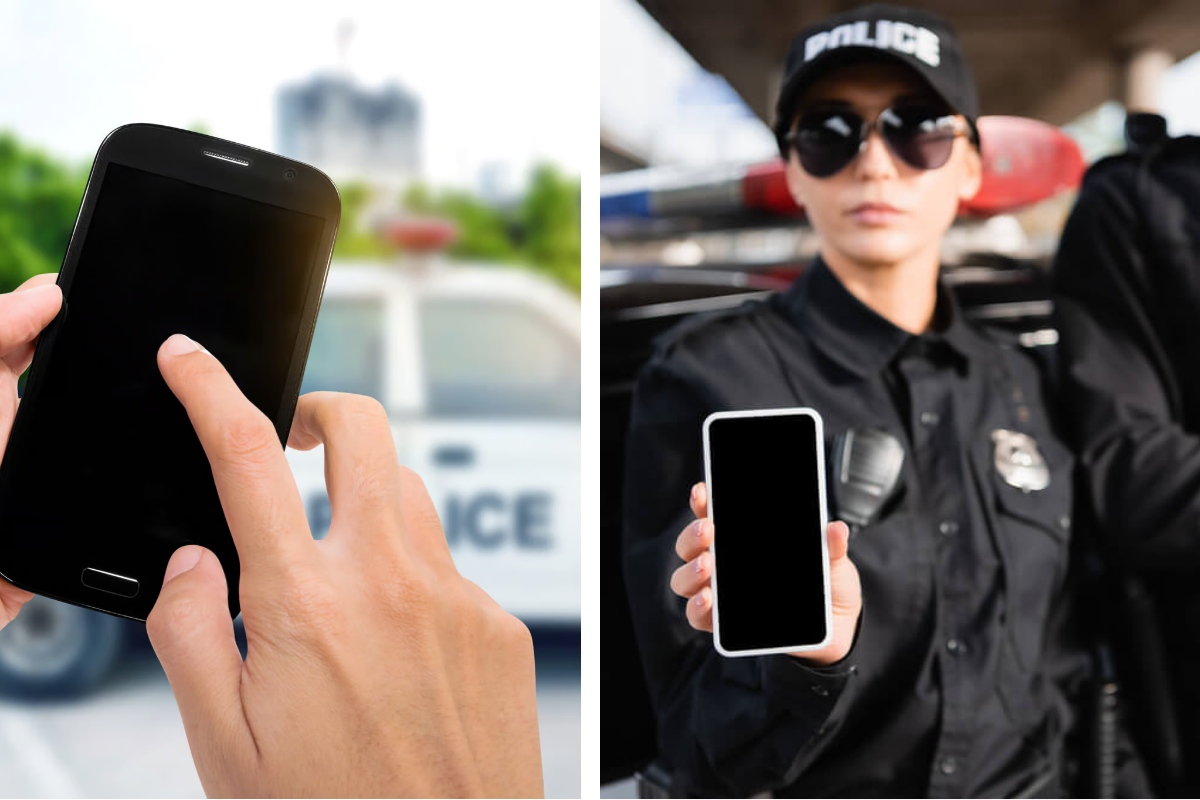
Pennsylvania police generally cannot search your phone during a routine traffic stop without a warrant, your consent, or specific exceptions. The Fourth Amendment protects against unreasonable searches, reinforced by the U.S. Supreme Court’s 2014 Riley v. California ruling, which requires warrants for cell phone contents incident to arrest. A 2018 Pennsylvania Supreme Court decision echoed this, deeming warrantless phone access a violation, with evidence inadmissible in court.
Key Legal Protections
The Riley v. California case established that phones hold vast personal data—photos, texts, locations—demanding stronger privacy safeguards than physical searches. Pennsylvania follows suit: no automatic right to search phones during stops for speeding or minor infractions. Officers may seize a phone for inventory if you’re arrested post-stop, but cannot unlock or browse without judicial approval.
When Searches Are Allowed
Exceptions exist, but they’re narrow.
No warrant? Politely decline: “I don’t consent to searches.”
Traffic Stop Realities
Stops often stem from distractions under “Paul Miller’s Law” (effective June 2025, full citations June 2026), banning handheld phone use even at lights—$50+ fines, no points for non-commercial drivers. Officers suspect texting? They can cite but not search contents without cause—e.g., probable cause like visible messages. Vehicle searches need consent, probable cause, or K9 alerts; phones remain separate.
Data collection on stops (race, reason) promotes transparency but doesn’t alter search rules.
Practical Rights and Tips
Stay calm: Provide license/registration/insurance; keep hands visible. If asked to unlock, say no—silence isn’t admission. Record interactions (audio OK in PA if one party consents). Post-arrest, demand a lawyer; suppressed evidence helps cases. Apps like ACLU Mobile Justice log rights.
Violations and Remedies
Illegal searches lead to motions to suppress evidence, potentially dismissing charges. Civil suits possible for rights violations, though rare for traffic stops. Consult attorneys like those citing the 2018 ruling for defense.
Know your rights: Phones aren’t fair game in routine stops. Pennsylvania prioritizes privacy amid rising distractions—drive hands-free, stay legal.
Sources
- https://www.centredaily.com/news/state/pennsylvania/article282379068.html
- https://statelawfirm.com/post/is-living-in-your-car-illegal/
- https://www.pa.gov/agencies/penndot/news-and-media/newsroom/statewide/2025/-paul-miller-s-law–effective-june-5