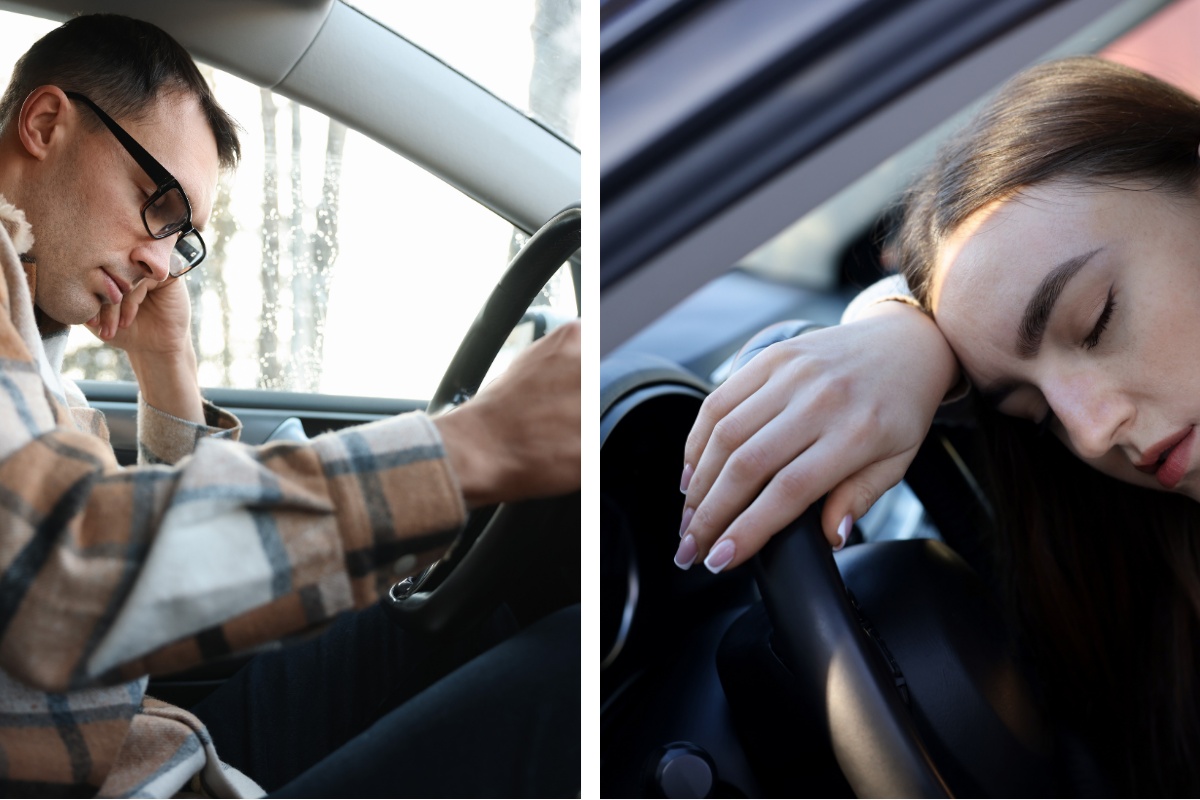
Sleeping in your car in California isn’t outright illegal under state law, but local rules make it tricky depending on where and how you park. With housing costs nearly double the national average, more people—nearly 20,000 in Los Angeles County alone—resort to vehicles for shelter, sparking debates over safety, rights, and enforcement.
Statewide Framework
California has no blanket prohibition on sleeping in vehicles, as long as you’re legally parked and not blocking traffic or posing a safety risk. Vehicle Code §22651(a) allows towing from restricted areas, but short rests to combat drowsy driving are generally fine. The real restrictions come from city and county ordinances targeting “vehicle habitation” or “camping,” which distinguish temporary sleep from living in a car.
Major City Rules
Local laws vary sharply, often banning overnight parking in residential zones.
| City | Key Restrictions |
|---|---|
| Los Angeles | No sleeping in vehicles on residential streets 9 p.m.–6 a.m.; banned within 500 ft of schools, parks, daycares. |
| San Diego | Prohibited on public streets 9 p.m.–6 a.m., near residences or schools at all times. |
| San Francisco | Broad anti-camping rules make overnight vehicle sleeping illegal in most public areas. |
Fines start at $25 for first offenses, rising to $75+, with towing common for repeats.
Safe and Legal Spots
Opt for designated areas to avoid trouble. Rest areas allow up to 8 hours inside your vehicle—no external camping. Truck stops, Walmart lots (with permission), BLM lands (up to 14 days), and campgrounds/RV parks are reliable. Private property works with owner consent, like on residential lots for guests in places such as Rancho Cordova.
Safe Parking Programs
Many cities offer supervised lots for vehicle dwellers, blending legality with support. Santa Barbara’s New Beginnings provides spaces with case management and rehousing aid. Los Angeles’ Safe Parking LA hosts up to 200 vehicles with restrooms and services; Sacramento’s South Front Street site is 24/7 for 60 vehicles. These programs, often church- or nonprofit-run, prioritize transitioning people to housing.
Risks and Penalties
Violations bring escalating consequences: citations ($25–$500), impound fees, or misdemeanor charges if tied to trespassing. Police may check for warrants or vehicle issues like illegal tint during stops. Safety hazards include theft, weather exposure, and confrontations—stick to lit, monitored spots.
Practical Tips
Park discreetly with sunshades, crack windows for air, and store gear out of sight. Check apps like iOverlander for spots, obey signs, and have insurance/docs ready—some policies require a permanent address. For travelers or those in need, apps or city sites list safe parking; nonprofits like those in Safe Parking networks offer guidance.
Recent Supreme Court rulings have spurred stricter anti-camping laws in over two dozen cities, emphasizing shelter offers before enforcement. Amid 2026’s ongoing affordability crisis, these rules balance public order with compassion, but always verify local codes via city websites. Knowledge keeps you legal and safe on California’s roads.
Sources
- https://statelawfirm.com/post/is-living-in-your-car-illegal/
- https://statelawfirm.com/post/is-it-illegal-to-sleep-in-your-car-california-laws/
- https://statelawfirm.com/post/is-it-illegal-to-sleep-in-your-car-california-laws/
- https://www.codepublishing.com/CA/RanchoCordova/html/RanchoCordova10/RanchoCordova1030.html