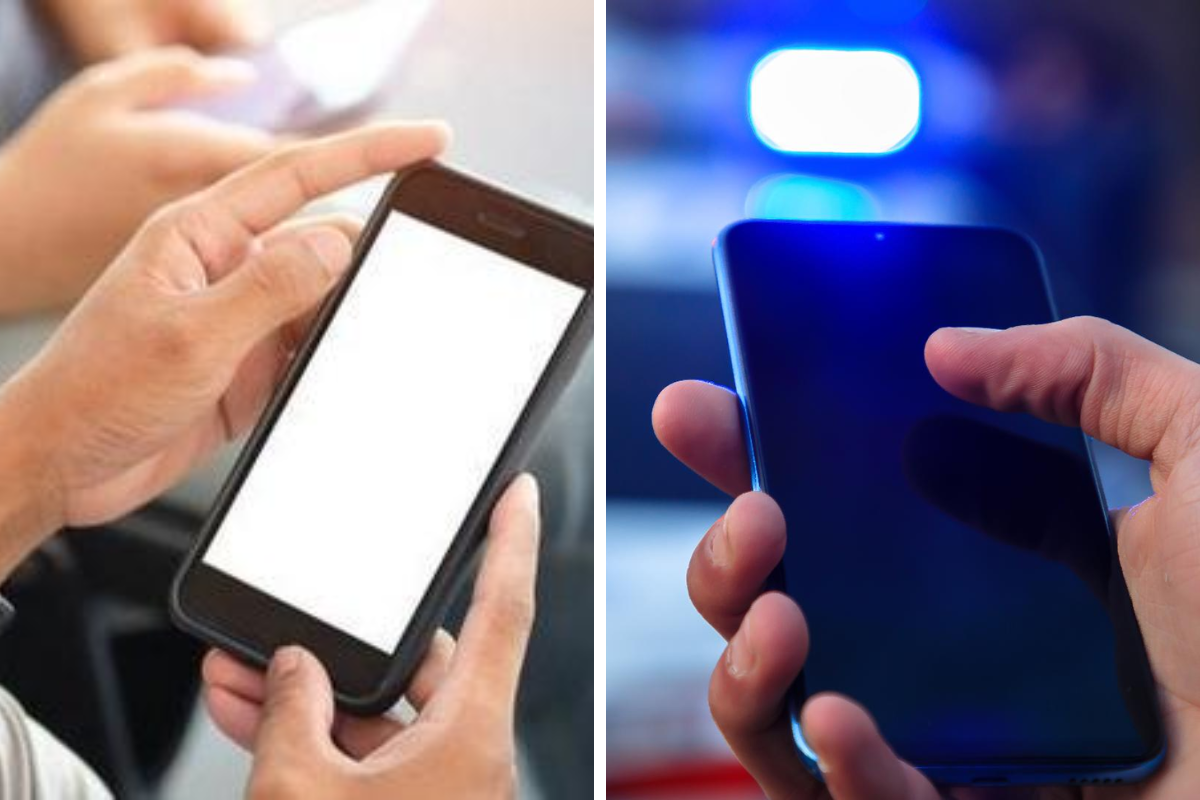
Illinois police generally cannot search your phone during a routine traffic stop without a warrant, your consent, or specific legal exceptions. The Fourth Amendment and landmark U.S. Supreme Court rulings like Riley v. California (2014) protect digital privacy, requiring heightened justification for smartphone searches. Knowing your rights helps prevent unlawful intrusions amid escalating traffic enforcement.
Fourth Amendment Protections
Police need probable cause, a warrant, or an exception to search your phone, even if seized during a stop. Riley v. California ruled that cell phones hold vast personal data, so officers can’t rifle through contents incident to arrest without judicial approval. Illinois follows this, with state directives like ISP ENF-037 emphasizing documentation for consent-based searches but prohibiting routine digital access.
Traffic Stop Scenarios
During a standard stop for speeding or a taillight, officers lack authority to demand your unlocked phone. They may ask for consent—politely decline by saying, “I do not consent to any searches,” which forces them to stop or justify probable cause (e.g., drugs in plain view). Passengers retain similar rights; ID may be requested under 725 ILCS 5/107-14, but phone searches targeting them need independent cause.
Exceptions Allowing Searches
- Consent: Voluntary agreement voids warrant needs, but it must be uncoerced—courts scrutinize this.
- Probable Cause: Visible contraband or strong crime indicators justify a vehicle/phone search.
- Arrest: Post-arrest, phones can be seized but not digitally searched without a warrant, per Riley.
- Inventory/Impound: Impounded cars allow limited inventories, excluding deep phone dives.
- Exigent Circumstances: Rare cases like imminent evidence destruction permit warrantless access.
What Happens If They Search Illegally
Evidence from unlawful searches can be suppressed via a motion under 725 ILCS 5/114-12, potentially dismissing charges. Officers must document consent requests on e-Stop cards, aiding challenges. Violations may lead to civil rights lawsuits under 42 U.S.C. § 1983.
Practical Rights Tips
Stay calm, record interactions if safe, and ask, “Am I free to go?” before complying further. Lock your phone with biometrics (courts treat unlocking as potential testimony, per U.S. v. Spencer). Avoid volunteering your device—silence is protected. Consult an attorney immediately if searched; groups like the ACLU offer IL-specific guides
SOURCES :
- https://hirschlawgroup.com/understanding-your-rights-during-a-police-stop-in-illinois/
- https://www.scottandersoncriminaldefense.com/arlingtonheightscriminallawyer/can-the-police-search-my-phone-without-a-warrant-in-illinois