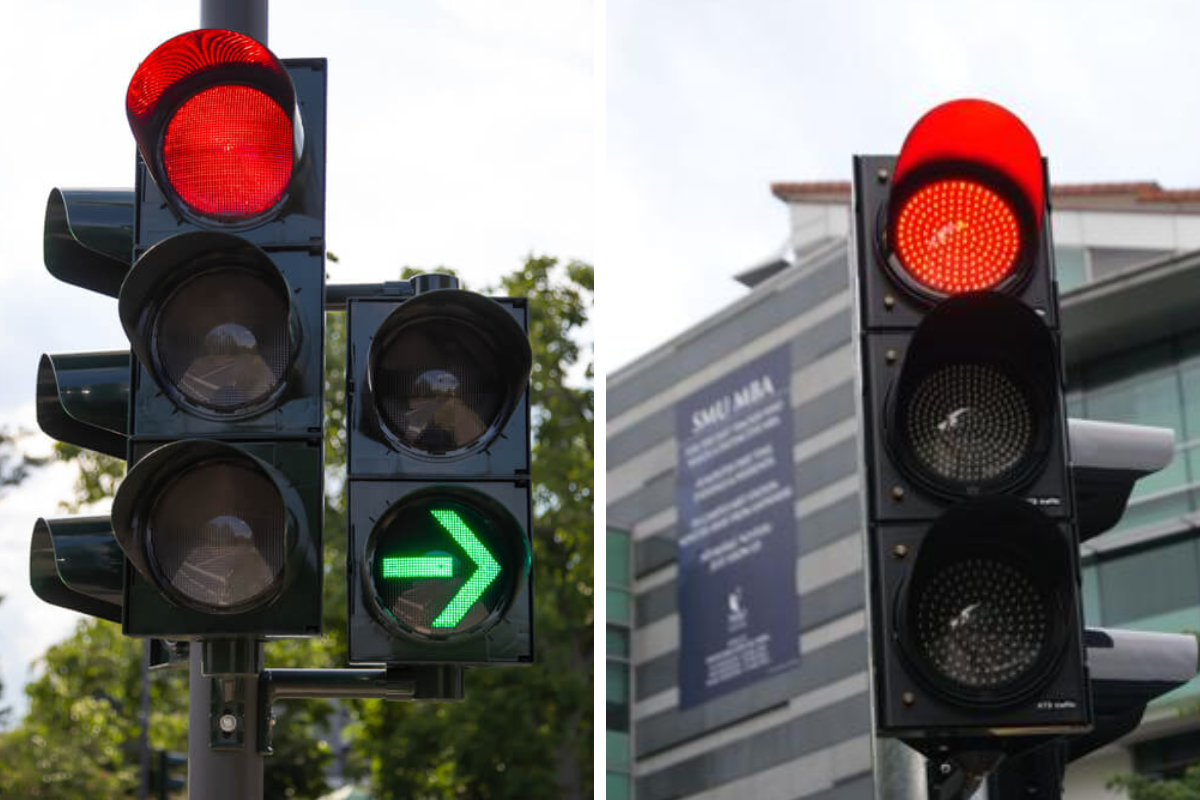
Ohio’s right turn on red rule remains permissive under 2026 traffic updates, allowing turns after a full stop unless prohibited. No major statewide changes alter the core provision in ORC 4511.13, emphasizing safety and signage compliance.
Core Rule Explained
Drivers facing a steady red light or red arrow must come to a complete stop before entering the intersection. You may then turn right—or left from a one-way street onto another one-way—provided no sign bans it and cross traffic yields clear. Treat it like a stop sign: yield to pedestrians, cyclists, and oncoming vehicles.
Signage and Exceptions
“No Right Turn on Red” signs override permission at specific intersections, common near schools or high-crash areas. Local ordinances in places like Valley View or Aurora ban it at listed spots, but state preemption limits widespread bans. Red arrow signals follow the same stop-and-yield logic unless device-specific rules apply.
2026 Updates
Recent amendments clarify red arrow handling but maintain flexibility—no blanket prohibition enacted. Distracted driving expansions (effective March 2026) indirectly impact turns, with $1,000 fines possible if phone use contributes to violations. Construction zones and move-over laws heightened enforcement affects all maneuvers.
Penalties for Violations
Failing to stop fully or ignoring signs triggers a minor misdemeanor: $150+ fine, 2 points on license, possible insurance hikes. Running the light entirely risks reckless driving charges up to $1,000 and jail.
Safe Execution Tips
- Stop behind the limit line, not in the crosswalk.
- Double-check mirrors, pedestrians, and cyclists.
- Proceed only when safe—hesitation beats haste.
- In rain or night, extra caution prevents T-bone crashes.
Ohio prioritizes flow with responsibility; follow signs and stay vigilant for compliance.
SOURCES:
- https://gsaslaw.com/blog/ohio-traffic-laws/
- https://www.fdslaw.com/blog/motor-vehicle-accidents/ohio-right-of-way-laws-affecting-legal-claims/