In his second term, President Donald Trump has repeatedly spoken about improving government efficiency. However, recent changes at the Social Security Administration (SSA) have sparked a serious debate. While the administration says the goal is to reduce waste and fraud, critics argue that the cuts could slow down services and create problems for millions of Americans who depend on Social Security benefits every month.
Staff Cuts at the Social Security Administration
Social Security Administration recently announced a major reorganisation plan. As part of this move, the agency is reducing its workforce from around 57,000 employees to 50,000. This is a significant cut.
It is important to note that SSA staffing had already fallen by more than 9% since 2015, according to AARP. With this new reduction, many experts fear that services may slow down even further.
SSA currently serves around 72.5 million beneficiaries. These include:
- Retirees
- Disabled workers
- Children receiving benefits
- Survivors of deceased workers
With fewer staff members, processing applications and answering public queries may take longer.
Concerns from Lawmakers and Experts
Several political leaders have raised concerns about these changes. Patty Murray criticised the cuts, saying that Social Security’s administrative costs are less than 1% of total benefits paid and only about 0.2% of total government spending.
According to her, reducing staff and closing offices will not reduce the budget deficit. Instead, it may make it harder for Americans to apply for and receive the benefits they have earned.
Similarly, Ron Wyden and Elizabeth Warren expressed concern that these changes could weaken the agency’s functioning. They warned that if services fail, it could open the door for pushing a private-sector alternative to Social Security.
New Identification Rules and Public Reaction
Another major change involves new identification policies. According to the Department of Government Efficiency (DOGE) website, some services would require people to visit field offices in person or access services online instead of calling.
This proposal faced heavy criticism. Many experts believe this would affect:
- Older Americans who are not comfortable with technology
- Disabled individuals
- Rural residents who may need to travel long distances
AARP pointed out that rural Americans might have to take a full day off work and drive for hours just to complete paperwork. After public backlash, SSA announced it would delay implementing this rule.
Decline in Customer Service Over the Last Decade
According to a July 2024 report by AARP, customer service at SSA has already declined over the past decade.
Here are some key figures:
| Issue | Earlier | Now |
|---|---|---|
| Disability claim decision time | 4 months (2016) | 8 months |
| Average helpline wait time | Shorter waits | Up to 40 minutes |
These numbers show that delays were already increasing before the latest staff cuts.
In addition, watchdog group Accountable.US reported that SSA’s website crashed four times within 10 days this month due to overloaded servers. This prevented many people from accessing their benefits online.
Government Efficiency or Risk to Social Security?
President Donald Trump and his administration argue that the reforms are necessary to prevent fraud and waste. A White House fact sheet stated that SSA made an estimated $72 billion in improper payments between 2015 and 2022.
From the administration’s point of view, reducing waste protects taxpayers’ money.
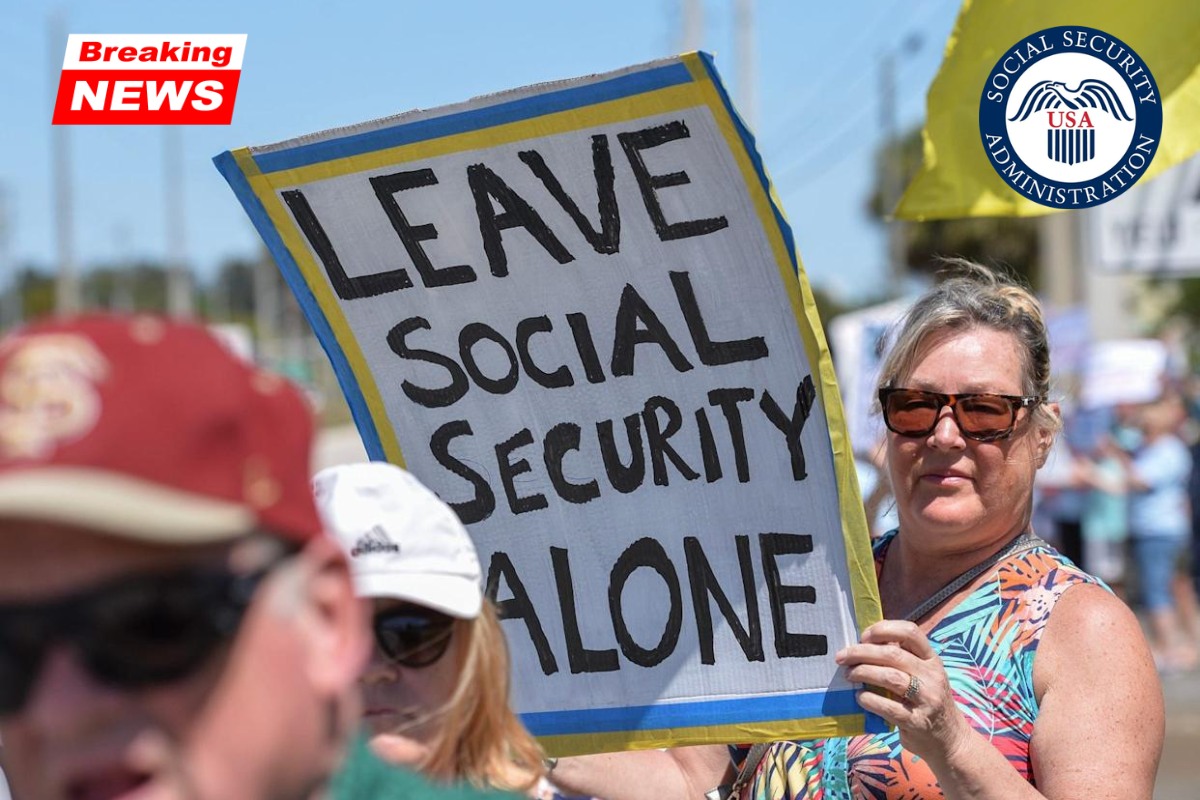
However, critics argue that cutting staff and closing offices may hurt the very people Social Security is meant to support. For many seniors and disabled Americans, these monthly payments are essential for survival. Even small delays can cause serious financial stress.
The debate continues as policymakers, advocacy groups, and citizens watch closely. On one side, the government says it is improving efficiency and preventing fraud.
On the other side, critics worry that reduced staffing and stricter policies could slow down services and weaken public trust in Social Security. What is clear is that Social Security plays a vital role in supporting millions of Americans. Any major change to the system affects real lives.
As these reforms move forward, ensuring that beneficiaries continue to receive timely and reliable service will be the biggest test of whether these efficiency measures truly work.