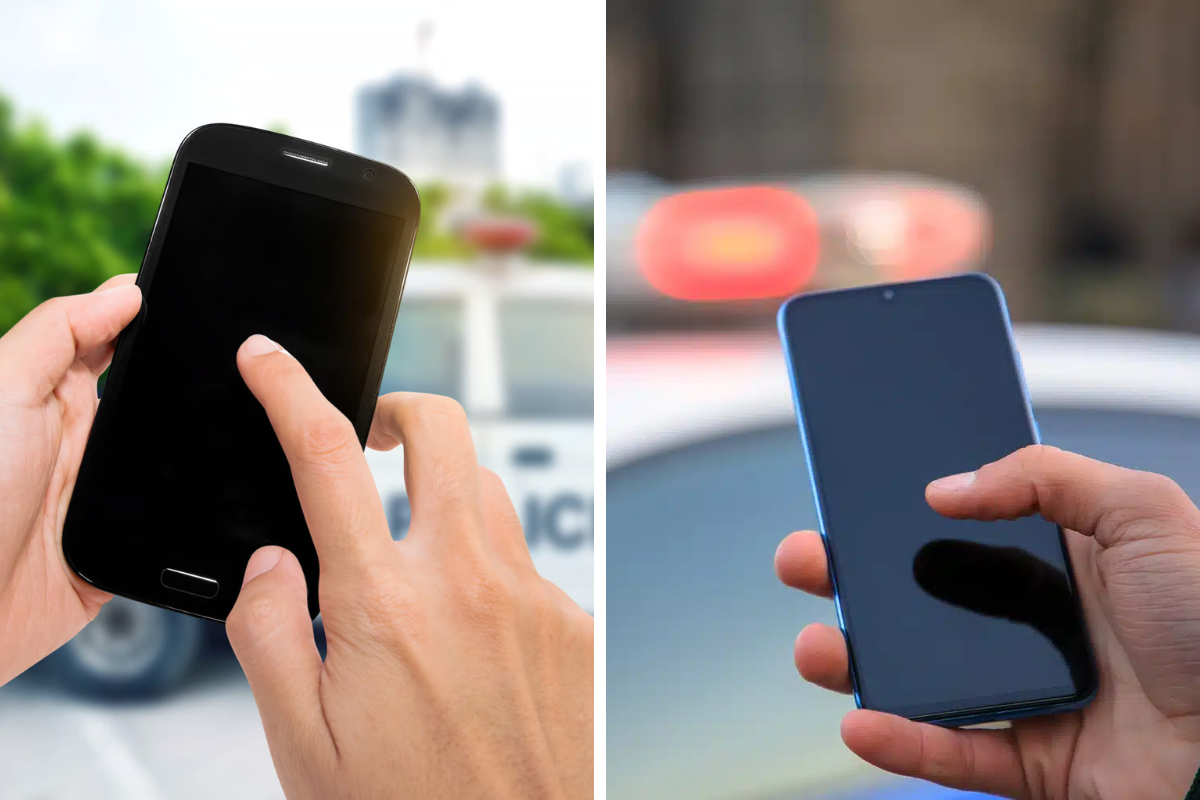
New Mexico police generally cannot search your phone during a routine traffic stop without a warrant, consent, or specific exceptions. The Fourth Amendment and state protections limit such intrusions unless probable cause exists.
Fourth Amendment Baseline
The U.S. Supreme Court’s Riley v. California (2014) ruling requires warrants for cell phone searches during arrests, treating devices as uniquely private. This applies in New Mexico traffic stops, where no arrest typically occurs. Officers need judicial approval describing the phone’s contents to seize or search lawfully.
New Mexico State Protections
Article II, Section 10 of the New Mexico Constitution offers stronger safeguards against unreasonable searches than federal law. It mandates warrants based on probable cause with a written oath, extending to digital devices. No 2026 legislative changes altered this for phones during stops.
Traffic Stop Scenarios
Routine stops for speeding or signals allow license, registration, and insurance checks but not phone access. Plain view items (e.g., a visible screen) might justify further steps, but not unlocking or scrolling. Inventory searches post-arrest require standardized procedures, still needing warrants for phones.
Exceptions Allowing Searches
- Consent: Politely decline if asked; you can say, “I do not consent to searches.”
- Incident to Arrest: Even then, Riley mandates warrants absent exigent circumstances like imminent evidence destruction.
- Vehicle Exception: Cars have lower thresholds under Carroll doctrine, but phones remain protected as personal effects.
- Emergencies: Imminent harm or hot pursuit might bypass warrants temporarily.
Officer Requests and Rights
Police may ask for your phone under “plain feel” during pat-downs if they suspect a weapon, but data extraction needs a warrant. Refusal cannot extend the stop unreasonably per Rodriguez v. United States (2015). Record interactions via dash cams or passenger phones legally.
Practical Steps During Stops
Stay calm, keep hands visible, and provide required documents. Do not volunteer your unlocked phone. If seized, demand the warrant and note the issuing judge. Post-stop, contact the ACLU of New Mexico or a lawyer for unlawful searches.
Penalties for Violations
Suppressed evidence from illegal searches benefits defendants under the exclusionary rule. Civil rights lawsuits under §1983 are viable for egregious cases.
| Scenario | Warrant Needed? | Key Ruling |
|---|---|---|
| Routine Stop | Yes | Riley v. CA |
| With Consent | No | Voluntary |
| Post-Arrest | Yes | NM Const. Art. II §10 |
| Vehicle Plain View | Maybe | Carroll Doctrine |
New Mexico prioritizes privacy—know your rights to protect them.
SOURCES :
- https://www.granolaw.com/blog/police-show-up-search-warrant/
- https://www.facebook.com/RivieraMayNews/posts/mexico-will-suspend-mobile-phone-lines-not-registered-to-a-specific-user-or-comp/122199264488301451/