Alaska has some of the most permissive knife laws in the United States, treating knives primarily as essential tools for outdoor survival rather than weapons. However, there are still important restrictions you need to understand to stay on the right side of the law.
Statewide Preemption Means Uniform Rules
Alaska has statewide preemption under AS 29.35.145, which means local governments (cities and boroughs) cannot create additional knife restrictions beyond what state law allows. This creates uniform knife laws across the entire state, so you don’t need to worry about different rules in Anchorage versus Juneau.
Open Carry Is Fully Legal
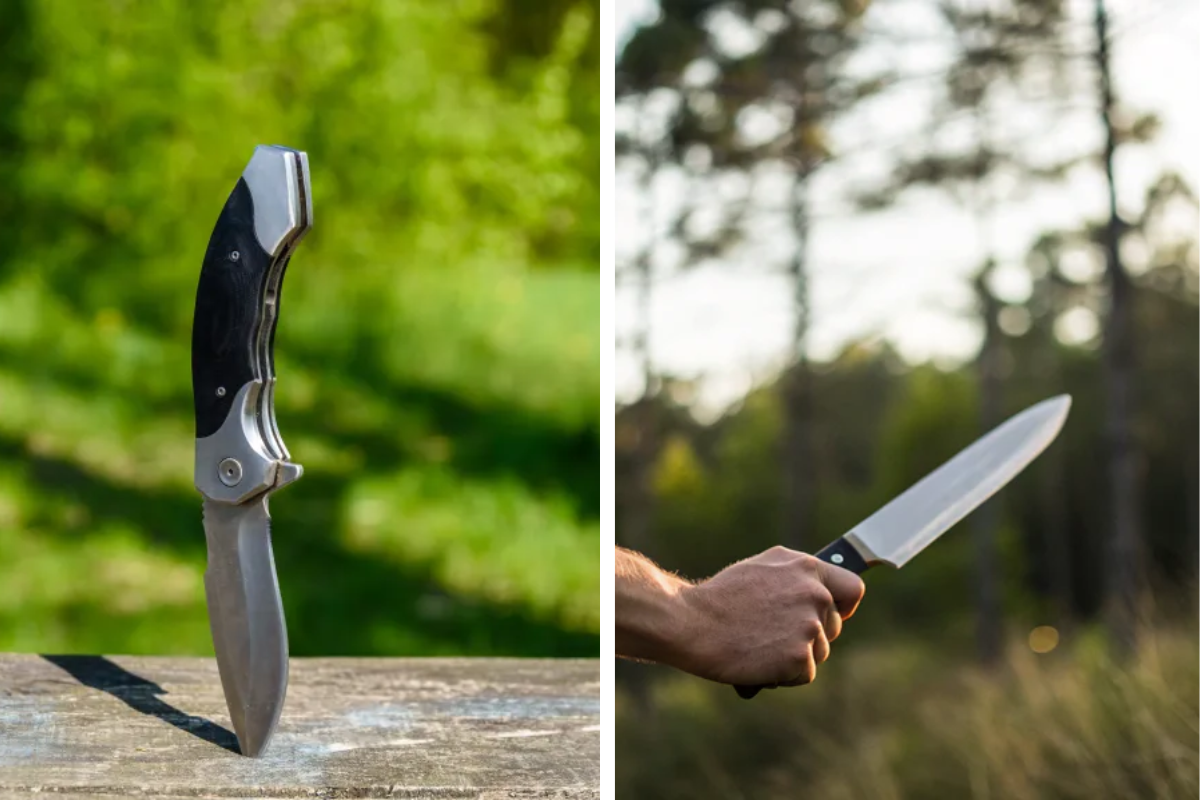
You can openly carry any type of knife in Alaska with no restrictions on blade length or knife type. This applies to anyone 21 years or older. There is no blade length limit for open carry, and you can carry switchblades, butterfly knives, Bowie knives, or any other type openly.
The only major restriction on open carry is on school grounds, where possessing a deadly weapon is prohibited without permission from the school’s chief administrative officer.
Concealed Carry Rules for Adults 21+
If you’re 21 or older, concealed carry is relatively permissive. You can carry concealed knives of any blade length, including switchblades and gravity knives. However, concealment becomes a legal factor if:
- You’re contacted by police with a concealed weapon
- You’re in someone else’s residence without permission
Crucially, carrying a concealed knife with criminal intent can lead to charges under misconduct involving weapons statutes.
Age Restrictions Are Important
Under 21: You cannot carry a concealed “deadly weapon,” which includes most knives except ordinary pocketknives. This restriction is codified in AS 11.61.220.
Under 16: You need parental or guardian permission to possess switchblades or gravity knives.
16–20 years old: You can own most knives but still cannot carry deadly weapons concealed.
All Knife Types Are Legal to Own
Restricted Places to Know
Even with permissive laws, you cannot carry knives (especially concealed) in certain locations:
- Schools (preschool through secondary, including buses and school events)
- Courthouses
- Government buildings
- Polling locations
- Places serving alcohol for consumption
- Airports (beyond security)
People 21+ may possess a deadly weapon (other than a loaded firearm) in the trunk of a vehicle on school grounds.
Criminal Penalties
Violating knife laws can result in:
- Fines
- Confiscation of the knife
- Imprisonment (depending on severity)
Misconduct involving weapons in the fifth degree (concealed deadly weapon) is a Class A misdemeanor. Using any knife in a crime can elevate charges and penalties.
SOURCES :
- https://knifeinformer.com/state-knife-laws/alaska/
- https://www.akti.org/state-knife-laws/alaska/