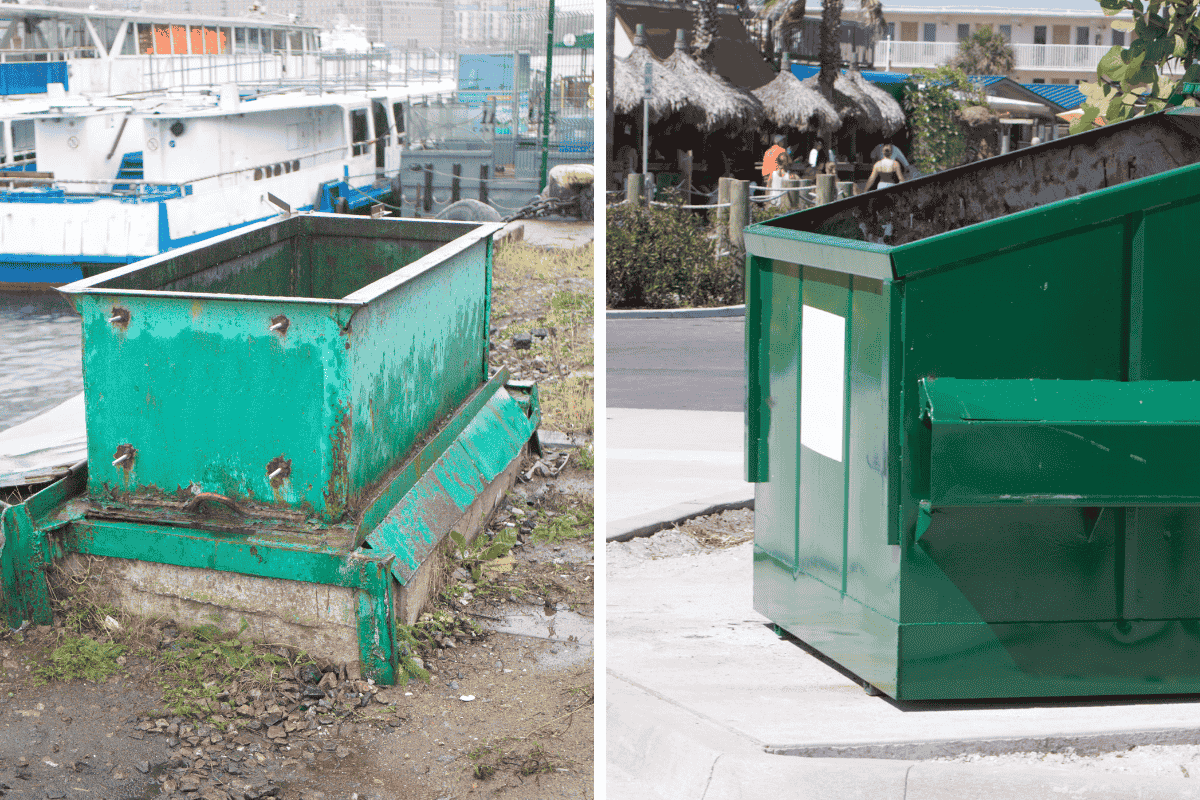
Dumpster diving in Georgia is generally legal under state law, thanks to a key U.S. Supreme Court ruling, but it hinges on avoiding trespassing and local restrictions. Once trash is discarded and placed for collection, it enters the public domain, allowing retrieval without theft charges. This 1000-word guide breaks down the rules, risks, city variations, and tips for U.S. residents staying compliant in 2026.
Supreme Court Foundation
The landmark 1988 California v. Greenwood decision established that garbage set out for pickup lacks Fourth Amendment privacy protections, applying nationwide including Georgia. Items in dumpsters are considered abandoned property—no larceny occurs by taking them. Georgia has no statewide statute banning the practice outright, making it permissible on public property or accessible curbside bins.
This precedent overrides theft claims, but doesn’t grant access rights. Diving into locked or fenced dumpsters risks criminal trespass (O.C.G.A. § 16-7-21), a misdemeanor with fines up to $1,000 and jail time.
Trespassing: The Biggest Pitfall
Most dumpsters sit on private business property—grocery stores, apartments, restaurants. Entering without permission violates trespass laws, even if the lid is open. “No Trespassing” signs, fences, or gates make it explicit; verbal warnings from owners suffice too.
Public dumpsters (parks, alleys without barriers) are safer, but rare. Night diving reduces encounters but heightens suspicion—police treat it as loitering if prolonged.
Local Ordinances Across Georgia
Georgia delegates to cities and counties, creating a patchwork:
- Atlanta: Generally allowed if no trespass; Fulton County enforces littering fines ($200+) for messes. Midtown bans near businesses post-10 PM.
- Gainesville: City ordinance prohibits it outright; Hall County allows on unincorporated land.
- Hiram/Douglas: Specific bans with $500 fines for scavenging.
- Savannah/Chattanooga area: Lax if public access; historic districts strict.
- Athens/Augusta: University towns tolerate student divers but ticket private lots.
Check municipal codes via city websites or apps like Municode—2026 saw no statewide unification despite waste management pushes.
Penalties and Enforcement
Violations escalate quickly:
- Trespass: Misdemeanor, $100–$1,000 fine, up to 12 months jail.
- Littering (O.C.G.A. § 16-11-702): $500+ if you scatter trash.
- Theft (if items un-discarded): Felony potential over $500 value.
- Health/safety: Fines for hazardous waste handling.
Enforcement varies—rural areas ignore solo divers; urban spots like Atlanta patrol retail zones. Store owners call police routinely; repeat offenders face bans or civil suits.
Legality Comparison: Public vs. Private
Best Practices for Safe Diving
Stay legal and low-profile:
- Scout public spots: Target apartment curbs pre-pickup, not behind stores.
- Daylight only: Avoid suspicion; wear gloves, use flashlight.
- Ask permission: Many managers allow if polite—boosts food bank donations.
- Clean meticulously: Leave neater than found; bag extras.
- Avoid hazards: Skip medical waste, chemicals (EPA violations).
- Document: Photo location/signs pre-dive for defenses.
Apps like Dumpster Dive Map or Reddit (r/DumpsterDiving) share verified spots.
Common Finds and Sustainability Angle
Divers score unopened food (40% edible per USDA), electronics, furniture—reducing landfill waste (Georgia diverts 20%). Atlanta food pantries partner with Kroger for “ugly produce” dives. Environmentally, it cuts methane emissions; economically, saves households $500/year.
Risks: Foodborne illness (wash thoroughly); tetanus from rust.
Enforcement Realities in 2026
Post-pandemic, cities cracked down amid homelessness optics—Atlanta’s “clean streets” initiative tickets 20% more. Rural Georgia laxer; college towns boom weekends. Police prioritize messes over quick grabs.
Defenses: Invoke Greenwood in court; trespass charges often drop without owner complaint.
Alternatives and Community Resources
- Food banks: Atlanta Community Food Bank; no legal risks.
- Freecycle/Craigslist Free: Legal swaps.
- Buy Nothing groups: Facebook hyper-local.
- Urban foraging apps: Too Good To Go for discounts.
For 10 million Georgians, diving supplements budgets ethically when done right.
Myths Busted
- Myth: Always illegal. No—Greenwood protects it.
- Myth: Businesses own trash forever. Abandoned = fair game.
- Myth: Night bans statewide. Local only.
Georgia embraces free-market salvage—responsibly. Verify local rules via county clerks; this isn’t legal advice. Dive smart, leave no trace, and turn waste into wins.
SOURCES:
- https://mylolowcountry.com/usa-laws/is-it-illegal-to-dumpster-dive-in-georgia-heres-what-the-law-says/
- https://www.worldlawdigest.com/usa/is-dumpster-diving-legal-in-ga