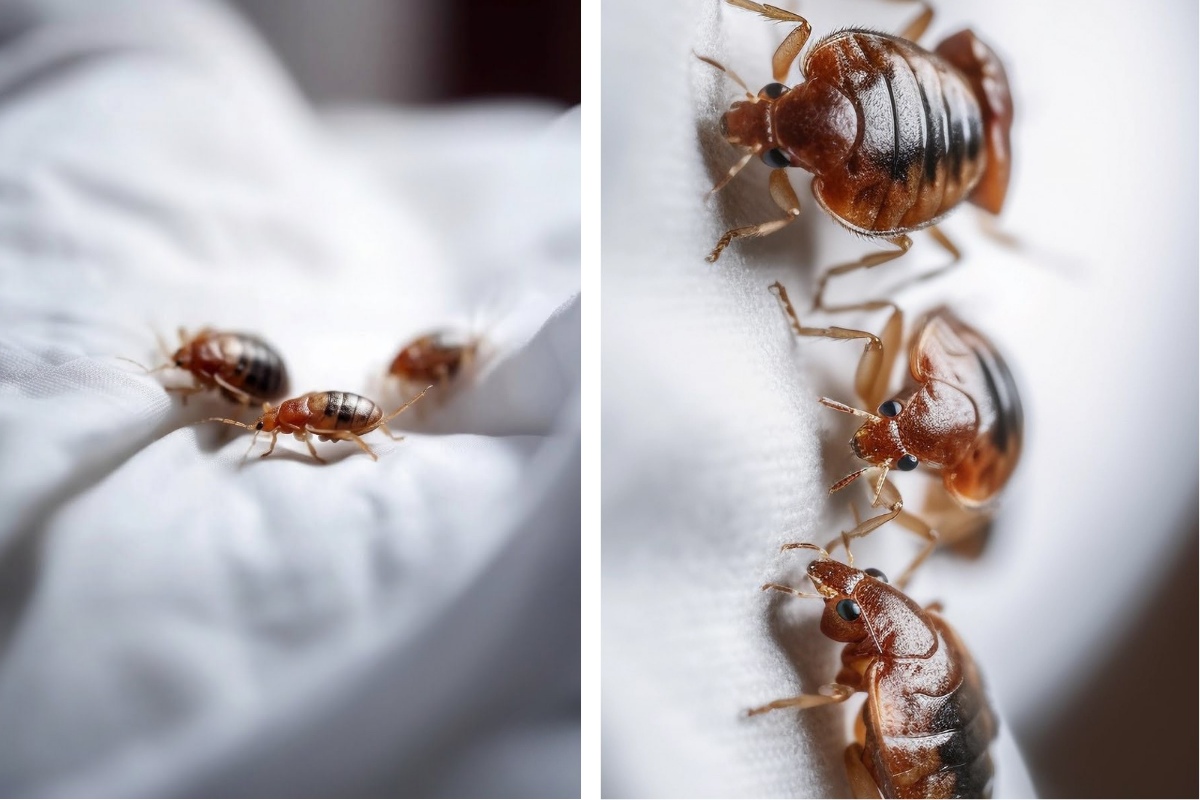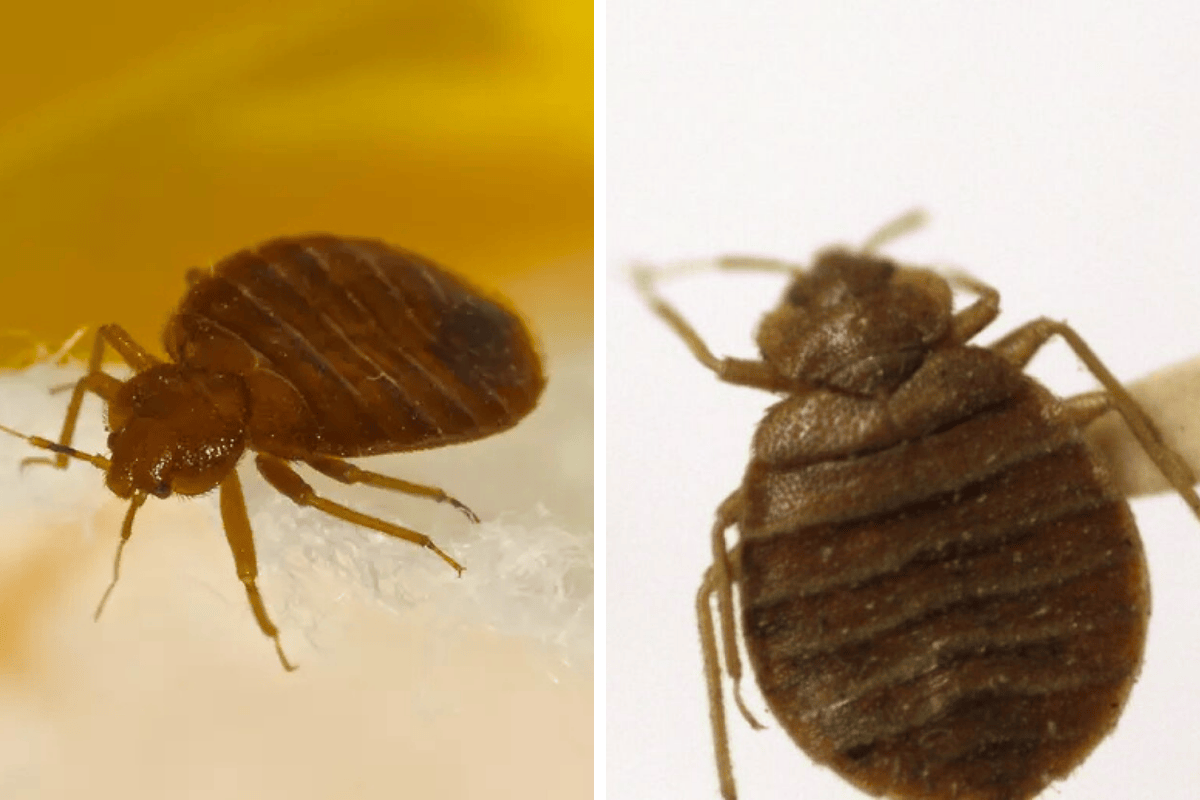
Illinois faces a worsening bed bug crisis in 2026, with five major cities leading the battle against these resilient pests. Chicago tops national infestation lists for the sixth straight year, driven by urban density and travel hubs, while Champaign, Springfield, Decatur, and Peoria report surging cases. This article details the onslaught, city-specific responses, prevention tactics, and hope amid the invasion for U.S. residents.
Why Bed Bugs Thrive in Illinois
Bed bugs (Cimex lectularius) exploded post-pandemic, hitchhiking via luggage, furniture, and public transit. Illinois’ harsh winters don’t faze them—they survive in heated buildings, feeding on blood every 3–7 days without transmitting diseases but causing itchy welts and anxiety. Orkin’s 2025 data (extending into 2026 trends) ranks Illinois cities high due to apartments, hotels, and colleges fostering spread.
Statewide, treatments rose 25% year-over-year, per pest control reports. Climate-controlled environments and resistant strains complicate eradication.
Chicago: The Epicenter
Chicago claims the #1 U.S. spot for bed bugs, with Orkin calls up 15% in 2025–2026. High-rises, CTA trains, and O’Hare Airport amplify risks—infestations hit 1 in 5 apartment units in neighborhoods like Wicker Park and Logan Square.
City response: Chicago’s Department of Buildings mandates landlord disclosures and funds free inspections via 311. Professional teams deploy heat treatments (120°F+) and insecticides; a 2026 pilot uses canine detectors in shelters. Residents report via the Bed Bug Registry app.
Champaign: Campus Chaos
Ranked #9 nationally, Champaign’s university population fuels outbreaks—dorms and off-campus housing see 30% infestation rates. Bed bugs hide in textbooks and laundry bags.
Combatting efforts: University of Illinois partners with Orkin for proactive scans; city ordinance requires 48-hour extermination post-discovery. Steam vapor and encasements are standard; a 2026 grant funds student education workshops.
Springfield-Decatur: Regional Surge
The Springfield-Decatur-Champaign metro jumped 12 spots to #30 on Orkin’s list, second statewide. Hotels and state buildings report clusters; Decatur libraries closed wings for fumigation.
Illinois EPA coordinates: Free community fumigation events in 2026, plus mattress disposal subsidies. Local firms use integrated pest management (IPM)—vacuuming, laundering at 140°F, and diatomaceous earth.
Peoria: Industrial Hotspot
Peoria ranks in the top 50, with warehouses and motels as vectors— Caterpillar plants saw employee-transmitted cases. Infestations doubled since 2024.
Response: Peoria Health Department enforces reporting; 2026 mobile treatment vans serve low-income areas. Emphasis on secondhand furniture bans at flea markets.
Top 5 Cities: Infestation Comparison
Rockford enters as a rising threat, per Terminix data.
Statewide Initiatives
Illinois launched the 2026 Bed Bug Task Force, allocating $2M for research into eco-friendly pesticides. Legislation (HB 2025) requires hotels to offer bite-proof encasements. Public campaigns via IDPH promote “Look, Don’t Touch”: Inspect seams for rust stains, eggs, or fecal dots.
Pest pros note resistance to pyrethroids—now favoring desiccants and growth regulators. Costs average $1,500–$5,000 per home, multiple visits needed.
Prevention for Residents
Don’t panic—early detection wins:
- Inspect regularly: Check mattress tags, headboards, furniture crevices.
- Travel smart: Bag clothes in plastic; hot-wash upon return.
- Declutter: Reduce hiding spots; vacuum with crevice tool, seal bags outdoors.
- Launder hot: 140°F kills all stages.
- DIY limits: Use interceptors under legs; call pros for confirmation.
Seal cracks, avoid clutter. Apps like BedBug Alerts map hotspots.
Health and Economic Toll
Bites cause insomnia, allergies; mental health claims rose 40% in infested areas. Chicago landlords face $10M annual losses in vacancies and treatments. Vulnerable groups—low-income families, homeless—suffer most, prompting shelter retrofits.
Success stories: Champaign’s dorm protocols cut cases 30%. Experts predict peak summer spread; vigilance curbs it.
Future Outlook
With federal EPA grants, Illinois aims 20% reduction by 2027 via genomic tracking of strains. Public-private partnerships expand; stay vigilant. Report sightings to local health departments—early action protects communities.
For Illinois’ 12 million residents, this invasion tests resilience, but coordinated efforts promise relief. Check Orkin or Terminix lists yearly; prevention starts at home.
SOURCES:
- https://b100quadcities.com/illinois-most-bed-bug-infest-cities-chicago/
- https://www.marthastewart.com/cities-with-highest-bed-bug-infestations-11768884