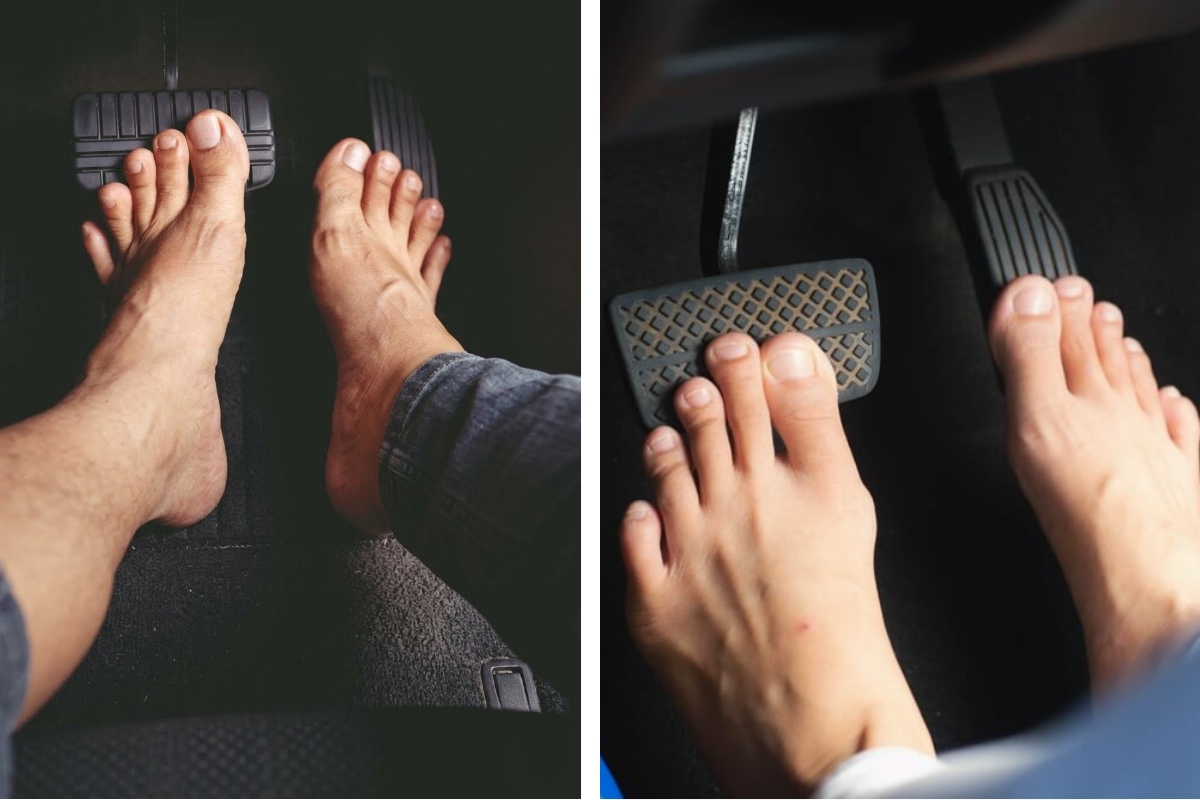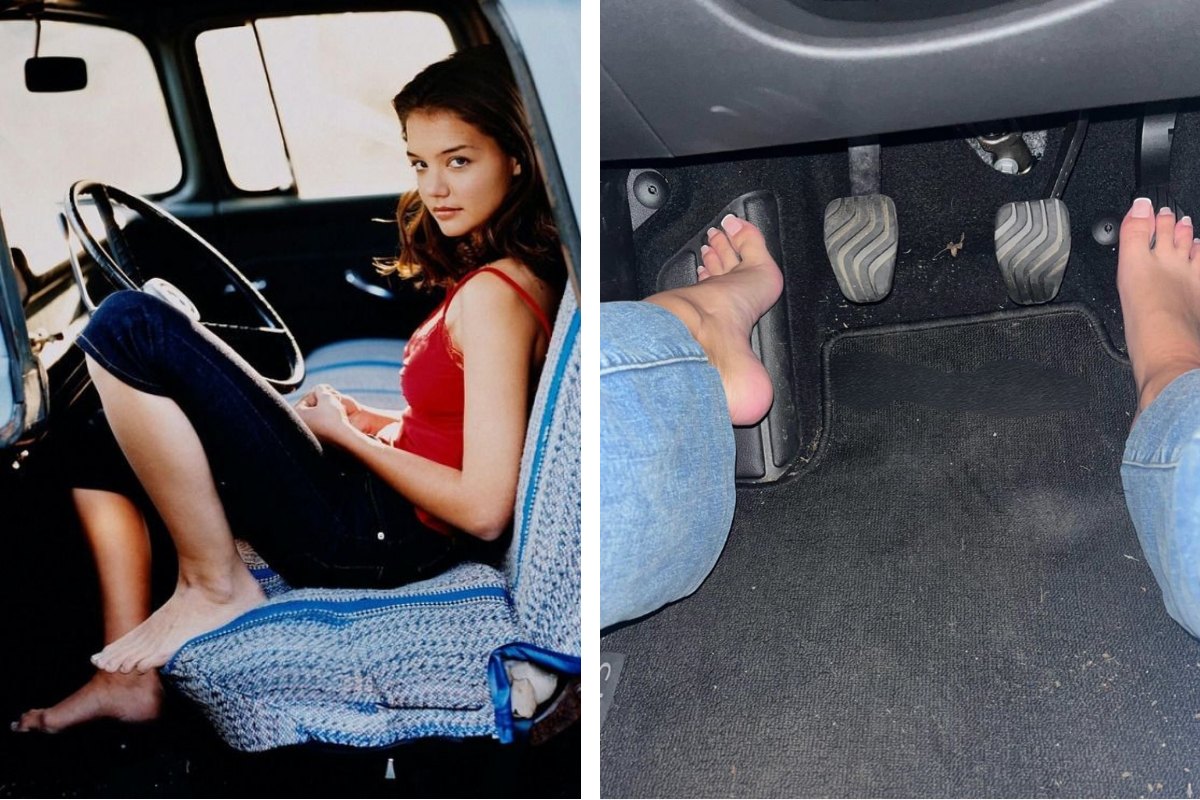
No, it is not illegal to drive barefoot in Wyoming. State-level guidance and legal explainers say there is no Wyoming statute that specifically bans operating a passenger vehicle without shoes, so you generally cannot be ticketed just for being barefoot behind the wheel.
What Wyoming Law Says
Wyoming is commonly listed among the states that consider barefoot driving legal but potentially unsafe. In other words, the law does not forbid it, but authorities may still view it as a safety concern if your footwear choice affects your control of the vehicle.
When It Can Become a Problem
Barefoot driving can matter if it contributes to an accident or a traffic offense. If police or insurers believe lack of footwear helped cause the crash, you could face fault determinations, negligent driving allegations, or insurance consequences even though barefoot driving itself is not illegal.
Safety Considerations
The main concern is control. Bare feet can slip on pedals, especially in wet or stressful driving conditions, and some shoes like flip-flops or loose sandals can also create hazards if they catch under a pedal.
Practical Takeaway
For everyday driving in Wyoming, barefoot driving is legal, but it is not the safest choice. A secure pair of flat, closed-toe shoes is usually the better option because it gives you steadier pedal control and reduces the risk of a preventable mistake.
Article Version
Driving barefoot in Wyoming is one of those topics that keeps circulating as a road-law myth. The short answer is simple: no, it is not illegal to drive barefoot in Wyoming. There is no Wyoming law that specifically requires drivers of passenger vehicles to wear shoes, and you generally cannot be stopped or ticketed solely for having bare feet while driving.
That said, legal does not always mean smart. Wyoming, like several other states, treats barefoot driving as a safety issue rather than a criminal offense. The concern is that bare feet may slip more easily on the brake or accelerator, which could make it harder to maintain full control of the vehicle. Law enforcement and safety writers often discourage the practice for that reason.
It is also important to understand how liability can change after an accident. If a crash happens and investigators believe being barefoot contributed to the incident, that fact can be used against the driver. Even though barefoot driving is not a standalone offense, it may still influence fault, negligence, or insurance decisions if it played a role in causing the accident.
For most drivers, the safest approach is to wear proper footwear. A snug, flat, closed-toe shoe gives better traction and more consistent pedal feel than barefoot driving or loose footwear like flip-flops and slippers. That matters in routine city traffic, but it becomes even more important in bad weather, sudden stops, or emergency braking situations.
There are also no known local ordinances in Wyoming that ban barefoot driving for ordinary passenger vehicles, so the statewide rule remains the key point: barefoot driving is legal, but it should be done carefully, and it may still create legal exposure if it contributes to unsafe driving.
In the end, Wyoming drivers do not have to wear shoes to stay within the law. Still, the better choice is to keep a reliable pair of driving shoes in the car and avoid any avoidable risk. That way, you stay on the safe side of both road control and legal responsibility.
Sources:
- (https://www.thezebra.com/resources/driving/driving-barefoot/)
- (https://www.autoinsurance.com/faqs/illegal-to-drive-barefoot/)
- (https://www.thezebra.com/resources/driving/driving-barefoot/)