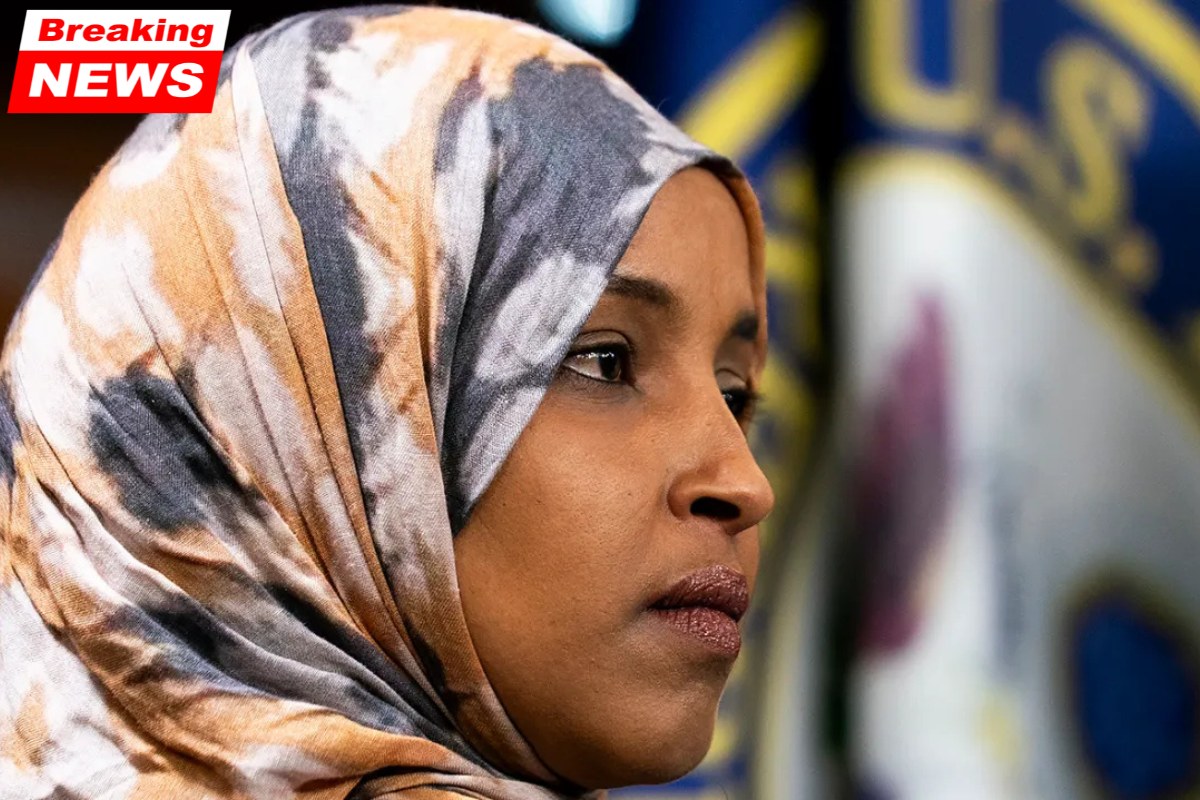
Rep. Ilhan Omar sparked attention this week after suggesting that many members of Congress use marijuana, even if they do not publicly admit it.
Speaking to TMZ in Washington, D.C., Omar discussed the growing movement to legalize cannabis nationwide and argued that the federal government should stop spending billions of dollars criminalizing marijuana use.
During the conversation, she also hinted that cannabis use among lawmakers may be more common than people realize.
Her comments come at a time when the federal government is shifting its stance on marijuana and psychedelic drugs, with the Trump administration introducing changes aimed at expanding medical research and easing some federal restrictions.
Quick Summary of Omar’s Comments and Federal Changes
| Topic | Details |
|---|---|
| Main Figure | Ilhan Omar |
| Position | Co-chair of Congressional Cannabis Caucus |
| Main Claim | “A lot of people” in Congress smoke cannabis |
| Key Issue | Federal marijuana legalization |
| Trump Administration Action | Eased restrictions on marijuana and psychedelics |
| Focus of Reforms | Medical research and treatment access |
| Recreational Use Status | Still federally restricted |
Ilhan Omar Suggests Cannabis Use Is Common in Congress
During the interview, Omar was asked whether she found it unusual that no members of Congress openly identify as marijuana users despite growing support for legalization.
She responded by saying that supporting legalization does not necessarily mean someone personally uses cannabis. Omar argued that lawmakers can support reform simply because they believe the current criminal justice approach is ineffective and costly.
“We understand that it is not OK for us to spend the billions of dollars we do now incarcerating people for smoking a joint,” she said.
When pressed further on whether lawmakers themselves use marijuana, Omar smiled and replied, “I think there are a lot of people who smoke cannabis in Congress,” before flashing a peace sign and walking away.
The comment quickly drew attention online and fueled renewed debate about marijuana legalization and political attitudes toward cannabis use.
Omar Pushes for Nationwide Marijuana Legalization
Omar also emphasized the need for broader cannabis reform across the United States.
As co-chair of the Congressional Cannabis Caucus, she has been one of several lawmakers advocating for federal legalization and changes to marijuana policy. She pointed out that many states have already legalized marijuana in some form, either medically or recreationally, while federal law continues to lag behind.
Omar also gave unexpected credit to President Donald Trump for helping shift conversations inside the Republican Party about drug policy reform.
“I think any step forward is a good step, but we need to go farther than where we are yet,” she said. “We need to continue building the coalition.”
She argued that both Congress and the president have the authority to move legalization efforts forward if lawmakers from both parties cooperate.
Trump Administration Changes Federal Drug Policy
The Trump administration has recently taken several steps that suggest a softer federal approach toward marijuana and psychedelic drugs, especially for medical use.
Last month, Trump signed an executive order aimed at loosening restrictions on research involving psychedelic substances used to treat conditions like depression, PTSD, and substance abuse disorders.
The order directed the Food and Drug Administration to speed up reviews of psychedelic treatments and encouraged broader medical research into their effectiveness.
Several Republican lawmakers, including Morgan Luttrell and Jack Bergman, have publicly supported expanding access to psychedelic treatments for military veterans struggling with mental health conditions.
In another major development, Acting Attorney General Todd Blanche ordered medical marijuana to be reclassified as less dangerous under federal regulations.
The move lowered some restrictions on licensed medical marijuana businesses and introduced tax benefits for operators within the industry.
Blanche stated that the changes would allow for more detailed research into marijuana’s safety and medical effectiveness while helping doctors make better-informed treatment decisions.
Recreational Marijuana Remains Federally Restricted
Despite these policy changes, recreational marijuana remains illegal under federal law.
While dozens of states now allow recreational or medical cannabis use, federal laws still classify marijuana as a controlled substance. This creates ongoing legal and regulatory conflicts between state governments and federal agencies.
The latest federal actions focus primarily on medical research and healthcare access rather than full legalization for recreational use.
Still, many advocates see the recent policy shifts as a major departure from the strict anti-drug policies that dominated previous decades.
How America’s Drug Policies Are Changing
The federal government’s evolving position on cannabis and psychedelics marks a significant shift from the “war on drugs” era that began under former President Richard Nixon in the 1970s.
For decades, federal policy heavily emphasized criminal penalties for drug possession and distribution. Critics have long argued that those policies contributed to mass incarceration and disproportionately affected minority communities.
Now, lawmakers from both major political parties are increasingly supporting at least some form of drug policy reform, especially for medical purposes.
Public opinion has also shifted dramatically. Polls in recent years have shown strong support for legalizing marijuana, particularly for medical treatment and criminal justice reform.
Omar’s comments about marijuana use inside Congress may have been partly humorous, but they also highlighted how much political attitudes toward cannabis have changed compared to previous generations.