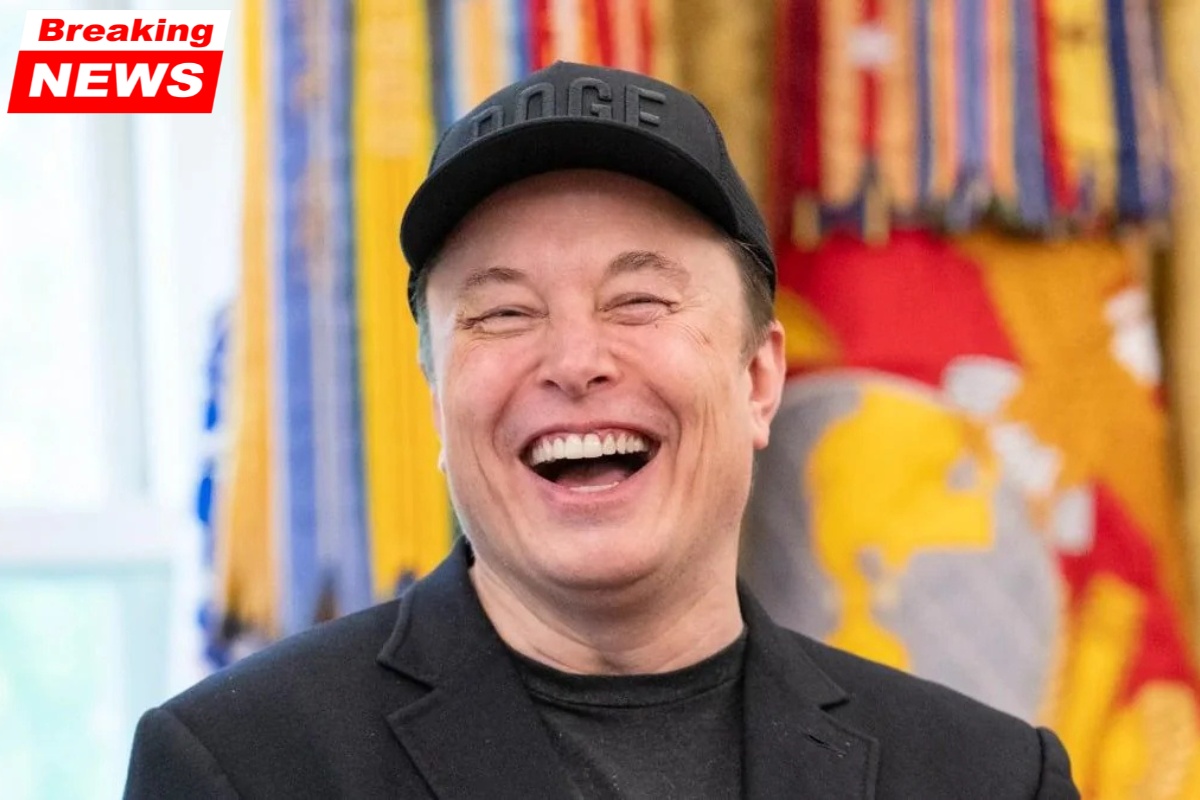
Elon Musk’s decision to travel to China with President Donald Trump during his ongoing legal battle against OpenAI has sparked controversy and raised questions about courtroom procedure, witness obligations, and the growing relationship between politics and the tech industry.
The issue became especially notable because Musk had reportedly been placed on “recall status” by a federal judge during the trial. This meant he was expected to remain available in case attorneys needed to call him back to testify. Despite that, Musk left the United States without first receiving formal permission from the court, according to reports from NBC News.
Quick Summary of the Situation
| Topic | Details |
|---|---|
| Main Issue | Elon Musk traveled to China during the OpenAI trial |
| Court Concern | Musk was on “recall status” as a witness |
| Key People Involved | Elon Musk, Sam Altman, Donald Trump |
| Legal Debate | Whether Musk should have informed the court before leaving |
| Main Conflict | OpenAI’s shift from nonprofit to for-profit structure |
| Public Concern | Growing fears about AI and corporate control |
Why Elon Musk’s Travel Became a Legal Concern
During the trial, OpenAI’s legal team requested that Musk remain on recall status after completing his testimony. The judge agreed, meaning Musk could be called back to the witness stand if needed later in the proceedings.
According to NBC News, Musk still traveled to China as part of President Trump’s delegation without publicly known approval from the judge or notice to the court. Legal experts say that while recall status does not completely prevent travel, leaving the country during an active trial is highly unusual.
Jeffrey Bellin, a law professor at Vanderbilt University who specializes in evidence law, explained that witnesses under recall status are generally expected to remain accessible. Bellin stated that attorneys would normally ensure the judge approved such travel arrangements before a witness departed internationally.
This situation has now added another layer of controversy to an already high-profile courtroom battle involving some of the biggest names in technology and artificial intelligence.
The Growing Conflict Between Elon Musk and Sam Altman
At the center of the lawsuit is a long-running dispute between Elon Musk and OpenAI CEO Sam Altman over the future of artificial intelligence.
Musk, who helped co-found OpenAI in 2015, claims the company abandoned its original nonprofit mission. He argues that OpenAI was initially created to develop AI safely and for the benefit of humanity rather than to maximize profits.
Altman strongly rejected those claims during testimony. He argued that Musk was fully aware of OpenAI’s plans to evolve into a for-profit structure. Altman also claimed Musk once sought majority control over the organization himself.
The courtroom exchanges revealed deep tensions between the two men that appear to date back years. According to testimony, disagreements over leadership style, research priorities, and company direction eventually caused the relationship to collapse.
Altman also criticized Musk’s management approach during the proceedings. He stated that Musk did not understand how to run an effective AI research lab and claimed some researchers became demotivated under his leadership.
These statements highlighted how personal and ideological the dispute has become.
How Donald Trump Became Part of the Story
The controversy grew further after President Donald Trump included Musk in his official delegation to China.
The trip drew public attention because it happened in the middle of Musk’s ongoing trial. Critics questioned whether Musk should have prioritized court obligations over international travel during such an important legal proceeding.
The situation also fueled broader discussions about the increasingly close relationship between major technology leaders and political power in Washington.
Trump himself has recently faced criticism over separate legal and political issues, including allegations regarding expensive White House renovations funded by taxpayer money. Musk’s participation in the China trip added to ongoing debates about the influence billionaires and tech executives hold in government affairs.
The OpenAI Trial Reflects Bigger Concerns About Artificial Intelligence
Beyond the personal conflict between Musk and Altman, the trial has also placed public concerns about artificial intelligence under a brighter spotlight.
The legal battle reflects larger questions surrounding who should control AI technology and how it should be developed. Musk has repeatedly warned about the dangers of unchecked AI systems, while OpenAI argues that innovation requires large-scale investment and commercial partnerships.
Public skepticism about AI continues to grow as these debates unfold.
A recent Pew Research Center survey found that many Americans are more worried than excited about the future of AI. Most respondents believed artificial intelligence could negatively affect creativity, relationships, decision-making, and problem-solving abilities.
Only 10 percent of those surveyed said they felt more excited than concerned about AI becoming a larger part of daily life. These findings suggest that public trust in AI companies remains fragile as technology rapidly advances.
Legal Experts Say Musk’s Actions Were Unusual
Although legal analysts note that recall status does not legally ban international travel, Musk’s departure still surprised many observers.
Experts say witnesses involved in major federal trials usually coordinate closely with attorneys and judges before making travel plans, especially when they may still be needed in court.
Because closing arguments were scheduled shortly after Musk’s departure, uncertainty remained over whether he would need to testify again before the trial concluded.
The unusual timing of the China trip has now become part of the broader narrative surrounding the case, adding questions about accountability, courtroom expectations, and the responsibilities of high-profile public figures.