
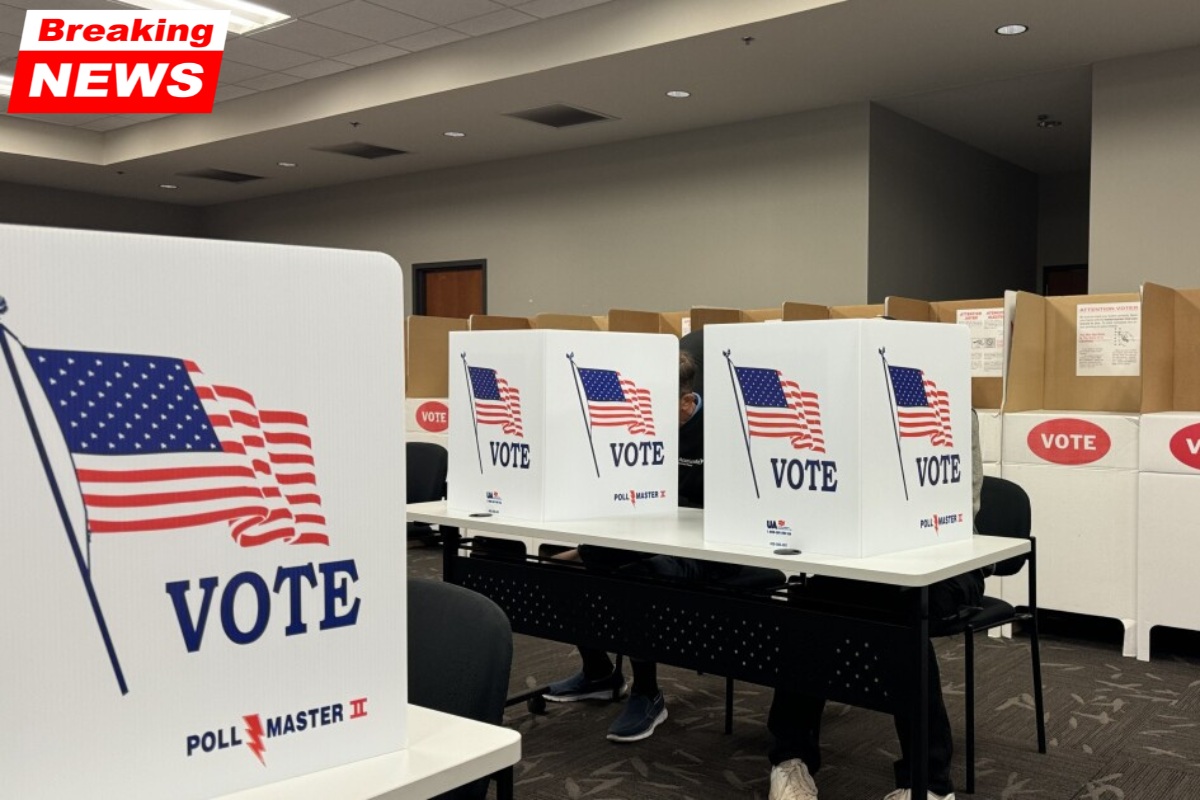
Oklahoma voters could soon decide on several major issues as multiple state questions move closer to appearing on upcoming election ballots. Topics include voter ID requirements, judicial reform, property valuation limits, Medicaid expansion changes and a proposed increase in the state minimum wage.
According to records from the Oklahoma Secretary of State, four legislative state questions have already been submitted for final ballot language review ahead of upcoming elections.
State Questions Headed to Oklahoma Voters
The following measures are currently scheduled for upcoming ballots:
| State Question | Main Topic | Election Date |
|---|---|---|
| SQ 844 | Local government reimbursement for tax incentive losses | August 25 runoff |
| SQ 846 | Voter ID requirement at the ballot | August 25 runoff |
| SQ 845 | Judicial selection reform | November election |
| SQ 847 | Property valuation increase limits | November election |
| SQ 832 | Raise minimum wage to $15 by 2029 | June 16 primary |
These questions could affect taxes, elections, courts, property costs and wages across Oklahoma.
Attorney General Says Ballot Language Was Unclear
Gentner Drummond reviewed the ballot titles prepared by lawmakers and determined that none of the four legislative questions clearly explained their effects to voters.
Because of that decision, Drummond now has the authority to rewrite the ballot titles.
Under Oklahoma law:
- The Attorney General has 10 to 15 days to rewrite the language
- Updated ballot titles must be shared with House and Senate leaders
- The goal is to make the measures easier for voters to understand
Ballot titles are important because they provide the official summary voters see before casting their vote.
What the Major State Questions Would Do
State Question 844
This proposal deals with reimbursing local governments for lost ad valorem tax revenue caused by corporate tax incentives.
Supporters say it could help local governments recover funding losses linked to business tax breaks.
State Question 846
This measure would require voter identification at polling locations.
The proposal focuses on election security and voting verification rules.
State Question 845
This state question would reform Oklahoma’s judicial selection process.
Judicial reform proposals often involve changes in how judges are chosen or retained.
State Question 847
This proposal aims to limit increases in property valuations.
Supporters argue it could help slow rising homeowners’ insurance and housing-related costs.
Possible Medicaid Expansion State Question Still Pending
Another proposal, Senate Joint Resolution 50 (SJR 50), is still being discussed at the Oklahoma Legislature.
If approved, voters would decide whether Medicaid expansion language should be moved from the Oklahoma Constitution into state law under certain conditions.
The proposal would apply if:
- The federal government’s Medicaid funding match falls below 90%
Lawmakers supporting the measure say it could reduce Medicaid costs and give the Legislature more control over program eligibility rules.
Legislative Delays Continue at Oklahoma Capitol
The Medicaid proposal and several other bills remain delayed because the Oklahoma Senate has reportedly not returned to work after adjourning last week.
Although lawmakers planned to formally end the 2026 legislative session by Thursday, May 14, uncertainty remains because unfinished work is still pending.
The delay has also affected:
- House bills
- Veto override efforts
- Constitutional amendment proposals
Minimum Wage Increase Also Heading to Ballot
Oklahoma voters will also decide on State Question 832 during the June 16 primary election.
The citizen-led initiative would gradually raise Oklahoma’s minimum wage to $15 per hour by 2029.
Unlike the legislative questions, SQ 832 reached the ballot through Oklahoma’s initiative petition process, which allows residents to gather signatures and place measures before voters directly.
Oklahoma Voters Face Several Major Decisions Ahead
With multiple state questions expected on upcoming ballots, Oklahoma voters will soon weigh in on issues that could significantly impact taxes, elections, wages, healthcare and housing costs.
The coming months will likely bring heavy debate from lawmakers, advocacy groups and voters as final ballot language is prepared. As these proposals move toward election day, understanding what each measure would change will become increasingly important for residents across the state.






